


Why Corn Is Usually Not Called a Fruit
Nov 25, 2019

Corn is usually left out of the fruit category because ordinary food language describes how a product looks, is sold and is eaten. Sweet corn arrives as ears, cob portions or loose kernels; it is cooked in savory dishes and grouped with starchy vegetables. Mature dry maize enters grain channels. Neither use resembles the everyday picture of fruit as a fleshy food such as an orange, peach or berry.
Botany gives a narrower correction. Each corn flower produces a single kernel whose fruit type is the caryopsis. Its thin fruit wall is fused to the seed coat, so the kernel looks and behaves like one solid seed or grain. The fruit layer is present, but it is not a juicy flesh that people separate from a seed.
The apparent disagreement therefore comes from language, not from a defect in either classification. "Fruit" is precise when describing the origin of one kernel. "Sweet corn," "frozen corn kernels" and "starchy vegetable" are more informative when naming food for shoppers, cooks and buyers. The useful answer depends on what the word must help someone identify.
The short answer: Corn is not normally called fruit because the common food name follows culinary use and visible product form. Botanically, however, every kernel is a caryopsis. The everyday label and the scientific description perform different jobs.

The Word Fruit Has a Scientific Job and an Everyday Job
In botany, fruit identifies a plant structure produced from a flower's ovary. The definition includes fleshy forms, pods, capsules, nuts and dry grass fruits. Sweetness and dessert use are irrelevant to that structural test. A corn kernel qualifies because of how it develops, even though it looks unlike the fruit displayed in a supermarket produce aisle.
Everyday speech uses fruit more selectively. People expect a recognizable fleshy portion, a sweet or tart taste, and familiar roles such as snack, dessert, juice or fruit salad. This is a cultural food category rather than a complete map of flowering-plant anatomy. Tomatoes, peppers and pumpkins show the same gap: a botanical description can be accurate without becoming the dominant kitchen name.
Corn widens the gap because people seldom encounter its fruit wall as a separate layer. They see an ear carrying rows of kernels, a pile of frozen kernels, popcorn, meal or flour. The familiar nouns are cob, kernel, vegetable and grain. "Fruit" supplies less practical information about the item in front of them.
A clear explanation should keep both meanings visible. Say "the individual kernel is a botanical fruit" when teaching plant structure. Say "sweet corn is used as a vegetable" when describing its culinary role. Our separate corn fruit-or-vegetable guide compares those two answers directly; the narrower issue here is why common naming favors one of them.
The Kernel Hides Its Fruit Wall in Plain Sight
North Carolina State University Extension identifies the fruit type of Zea mays as caryopsis. A caryopsis is typical of grasses. It contains one seed, and the pericarp-the wall derived from the ovary-is closely joined to the seed coat. That construction is why kernel, seed, grain and fruit can appear in technically informed descriptions of the same small unit.
Compare the structure with an orange. An orange presents peel, juicy segments and seeds as visibly different parts. The eater experiences plenty of fruit tissue apart from the seed. In a corn kernel, the wall is thin and fused. Biting or milling the kernel does not reveal a loose seed sitting inside a thick edible fruit body. Ordinary observation therefore sends the mind toward "seed" or "grain."
The word caryopsis resolves the scientific point without forcing a poor grocery comparison. It acknowledges the fruit origin and the seed-like physical unit together. For cereal science and crop anatomy, this precision matters. For a frozen-food description, it remains background information unless it helps explain kernel identity.
The ear adds another source of confusion. One pollinated flower can produce one kernel, while one ear supports many kernels. The ear is therefore not analogous to one apple. Calling the entire cob "a fruit" collapses a collection of botanical fruits and their support into a single object. That shortcut makes the scientific answer sound stranger than it is.
What People Mean When They Say Corn
The word "corn" can point to the crop, an ear, the cob-and-kernel portion, loose sweet-corn kernels, mature dry maize or a processed ingredient. Conversation usually leaves that object unstated because context fills it in. A cook saying "add corn" probably means edible kernels. A farmer discussing corn harvest may mean a cereal crop. A frozen buyer expects a named SKU.
This object shift matters. Botany classifies the kernel. Grocery departments classify the food package. A menu classifies the ingredient's role in a meal. A specification distinguishes kernel, cob and blend formats. When all four use the same short crop name, arguments about the "correct" category become almost inevitable.
The most effective correction is grammatical: put the specific object back into the sentence. "Each kernel is a dry botanical fruit." "This bag contains IQF yellow sweet-corn kernels." "The side dish uses sweet corn as a starchy vegetable." "The mill receives mature dry maize." None of those statements asks one category word to carry the entire supply chain.
For purchasing, "corn fruit" also creates uncertainty about form. Does it mean whole ears, removed kernels or another corn-derived ingredient? The XMSD frozen corn range makes the practical alternatives visible. The category name should lead toward those choices, not hide them.
| Phrase | Likely object | Useful setting | Missing information |
|---|---|---|---|
| Botanical fruit | One kernel | Plant anatomy and education | Product form, process and pack |
| Sweet-corn vegetable | Tender kernels or edible cob product | Cooking, menus and retail grouping | Exact style, serving and quality limits |
| Maize grain | Mature dry kernel | Agriculture, storage and milling | Finished ingredient identity |
| IQF sweet-corn kernels | Frozen saleable food | Specification, order and artwork | Buyer-specific tolerances and destination review |
Sweet Corn Earned a Vegetable Name Through Use
Sweet corn for the table is collected while kernels are tender and moist. It is boiled, steamed, grilled, baked or mixed into savory dishes. USDA MyPlate lists corn within the starchy-vegetable subgroup. That placement answers a food-use and meal-planning question rather than redefining the kernel's origin.
The harvest stage reinforces this language. A tender ear behaves like fresh produce and is handled for eating quality. Mature maize dries and enters cereal or industrial channels. FAO crop-classification guidance distinguishes maize for cereal use from sweet corn grown mainly for vegetable use. Primary use changes the operational category even while the crop remains Zea mays.
Freezing retains the familiar vegetable identity of sweet corn. It adds preservation and supply attributes: pretreatment, frozen state, free flow, pack, storage and preparation. The same individual kernel still has a caryopsis structure, yet "frozen fruit" would send a buyer toward the wrong sensory expectations and possibly the wrong product department.
Starchy vegetable is also a more informative meal term than fruit for this use. It signals that corn is not nutritionally interchangeable with berries or leafy vegetables and that serving context matters. Calories, carbohydrate, claims and suitability come from the actual food, amount and applicable data rather than from classification alone.

A Common Product Name Must Help Someone Find the Food
Product naming has a different objective from botanical taxonomy. In the United States, 21 CFR 102.5 states that a common or usual food name should identify the food's basic nature in simple, direct terms and distinguish it from different foods. It supplies a principle for understandable identity, with the chosen name tied to the actual corn product.
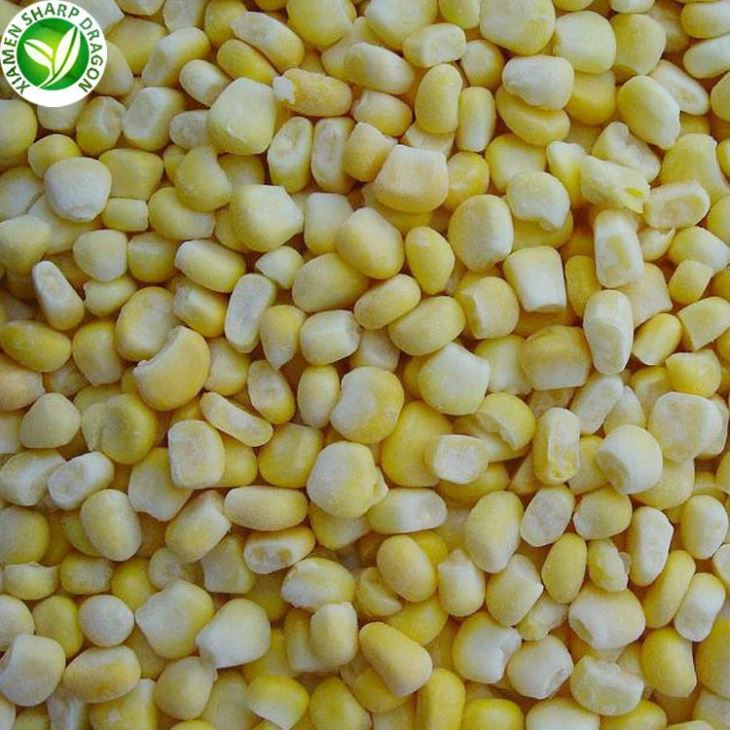
"Frozen sweet-corn kernels" meets that practical test better than "frozen corn fruit." It tells the reader the crop type, removed-kernel form and preserved state. Add yellow or white color where it materially identifies the chosen item. A cob product requires its own wording because the customer receives a different edible unit.
The common name then connects to a fuller specification. Kernel integrity, color, tenderness, defects, extraneous vegetable material, pack size, coding, frozen storage and intended preparation belong in the supporting record. USDA's standard for frozen whole-kernel corn illustrates how product quality is expressed through factors such as color, defects and tenderness rather than a debate over the word fruit.
Destination owners still review the actual formula and local rules. Added sauce, seasoning, butter or other ingredients may change the common name, ingredient statement and nutrition declaration. "Corn" at the start of the supply chain is not a license to ignore the food that reaches the customer.

Representative Scenario 1: A Retail Search Taxonomy
Practical example: The decision function is shopper discovery. A retailer adds a 450 g bag of plain IQF yellow sweet-corn kernels to its product-information system. The available browse branches include frozen fruit, frozen vegetables, grains and prepared sides. The intended shopper will look under frozen vegetables, so that branch receives the primary category.
The title reads "Frozen Yellow Sweet-Corn Kernels, 450 g." Botanical fruit status can appear in an educational note if the retailer wants to answer the classification curiosity, but it is not used as the main shelf signal. Search synonyms may include sweet corn, corn kernels and vegetable side; the data steward avoids a synonym that sends ordinary fruit queries to an unrelated product.
The action is to test the listing through common shopper paths and compare the displayed item with the approved pack. The result should be a discoverable product whose name matches its image, ingredient, net weight and cooking direction. The supermarket retail supply route is relevant to the channel, while the retailer owns the final taxonomy and market wording.
This outcome answers why fruit is not the leading name: it reduces recognition rather than improving it. The scientific note survives in the right field, and the shopping label keeps its operational purpose.

Representative Scenario 2: One Name Across Order Documents
Worked example: The decision function is document consistency. An importer plans a representative 20,000 kg order packed in 10 kg cartons. The nominal count is 20,000 ÷ 10 = 2,000 cartons. The approved product is plain IQF yellow sweet-corn kernels, not cob portions and not a formulated fruit mixture.
The same product identity is carried through the inquiry, quotation, specification, purchase order, artwork record, packing list and invoice. Each document may have a different function, but "corn fruit" is not introduced as a casual synonym. A conflicting name would force the receiving team to ask whether the goods, code or pack changed.
The buyer checks net mass and carton count separately from product taxonomy. Two thousand cartons describe planned quantity; they say nothing about kernel size, defects, cooking performance or legal classification. The common name anchors the item, while the specification and destination review carry those additional decisions.
If the project later changes to 450 g retail bags within master cartons, the naming record is reopened with the new pack and artwork. The private-label and OEM pathway can organize that handoff, but the market owner approves the final consumer-facing identity.

XMSD Experience: A Picture Often Resolves the Naming Dispute
In our initial corn review, we ask for the intended product form and an application image where possible. A photograph of loose kernels immediately rules out a whole-cob interpretation. A picture of cut cob portions reveals a different serving unit. A blend image shows whether corn is the named food or one component of a larger formula.
We then translate the picture into words that can be tested: yellow sweet corn, kernels removed from the cob, individually frozen, plain or formulated, proposed pack and intended cooking route. Color descriptions and images are checked together because lighting can shift appearance. A reference photograph supports the specification but never replaces a representative physical sample.
This experience makes us cautious with isolated category words. "Fruit" may be defensible in a botany lesson yet unhelpful in the inquiry. "Vegetable" may identify the food department yet omit kernel versus cob. The shortest reliable commercial name usually combines crop, type, form and state.
The closest product direction for loose kernels is the frozen sweet-corn kernel format. Its suitability still comes from the buyer's application, approved sample and agreed acceptance record.
XMSD Experience: Keep Taxonomy Separate from Acceptance
We separate "what the product is called" from "whether the lot performs." Naming establishes identity. Acceptance evaluates the defined food. For kernels, we may review maturity, color, skin character, broken material, cob fragments, clumping, pack integrity and texture after the planned heat cycle. For cob portions, length and cut-face consistency enter the review.
A sweetness reading also needs context. It characterizes the sample under a stated method and temperature; fruit-category language and cooked-application performance remain separate decisions. We pair instrument observations with sensory review and the use that matters to the buyer.
Packing and cold-chain records continue after the name is settled. Inner-bag seal, carton condition, code legibility, frozen receipt and retained sample identity connect the delivered lot to the approved item. If those controls fail, debating fruit terminology offers no remedy. The response belongs in the affected pack, temperature or lot record.
Keeping the two tracks separate improves changes too. A revised pack size may require artwork and logistics updates while leaving kernel acceptance unchanged. A new corn maturity target may alter the sensory specification while the common name stays the same. Each owner can then change the right field without rebuilding the entire identity.

Use the Answer That Fits the Question
If your task is a short answer, choose the sentence that serves its reader instead of forcing one phrase into every setting.
For botany: state that each kernel is a caryopsis, a dry one-seeded fruit of a grass. Mention the fused pericarp and seed coat when the listener wants to understand its seed-like appearance.
For cooking: describe tender sweet corn as a starchy vegetable used in savory dishes. This is the familiar reason it appears beside peas and potatoes rather than berries.
For agriculture: distinguish moist sweet corn from mature dry maize. Grain language becomes more useful for dry cereal channels, while fruit remains the structural botanical term.
For a menu: use the governing meal framework and the actual serving. A vegetable subgroup is a planning tool, not a complete nutrient calculation or health conclusion.
For a product: write the common name that distinguishes the sold food in clear terms. Follow it with form, process, pack, ingredients and acceptance limits. Botanical status can stay in an educational note.
For legal treatment: use the destination's applicable rule and the exact product. A tariff code and mandatory statements need their own competent review of the goods and market.
The Premise Is Understandable, but the Kernel Is Still a Fruit
Corn is usually excluded from everyday fruit language because it presents as ears, seed-like kernels, a savory vegetable ingredient or a dry grain. The fused fruit wall is nearly invisible as a separate food part, and the word fruit would often make a product harder to recognize. Those are strong naming reasons, not a botanical reversal.
The precise conclusion is simple: one kernel is a caryopsis; sweet corn is commonly named and used as a vegetable; mature dry maize is commonly handled as grain. In a commercial record, the best wording goes one step further and identifies the actual format, such as IQF yellow sweet-corn kernels or frozen corn cob portions.
For a frozen sweet-corn inquiry, send the intended kernel or cob form, application, pack, quantity and destination through the XMSD contact route. We will review the product name and sample direction that fit the request.
References
- NCSU Extension botanical record for Zea mays; fruit-type details checked 1 September 2026.
- Arizona Extension brief on corn categories; issued April 2021 and reviewed 1 September 2026.
- MyPlate guidance for the starchy-vegetable subgroup; USDA page checked 1 September 2026.
- FAO appendix on crop groupings and principal use; reviewed 1 September 2026.
- The U.S. common-food-name rule at 21 CFR 102.5; current text checked 1 September 2026.
- AMS grade standard for frozen whole-kernel corn; USDA document checked 1 September 2026.