


Can You Eat Bananas on an Empty Stomach? | XMSD
Jan 16, 2019

For most healthy people, eating a banana before any other food is fine. An empty stomach does not make the potassium or magnesium in one banana suddenly toxic, and there is no evidence that this ordinary eating habit causes a heart attack.
The short answer: You can usually eat a banana on an empty stomach. If a banana alone does not keep you satisfied, pair it with a source of protein or fat. People managing diabetes, chronic kidney disease, certain medicines, or banana allergy need advice that fits their own condition.
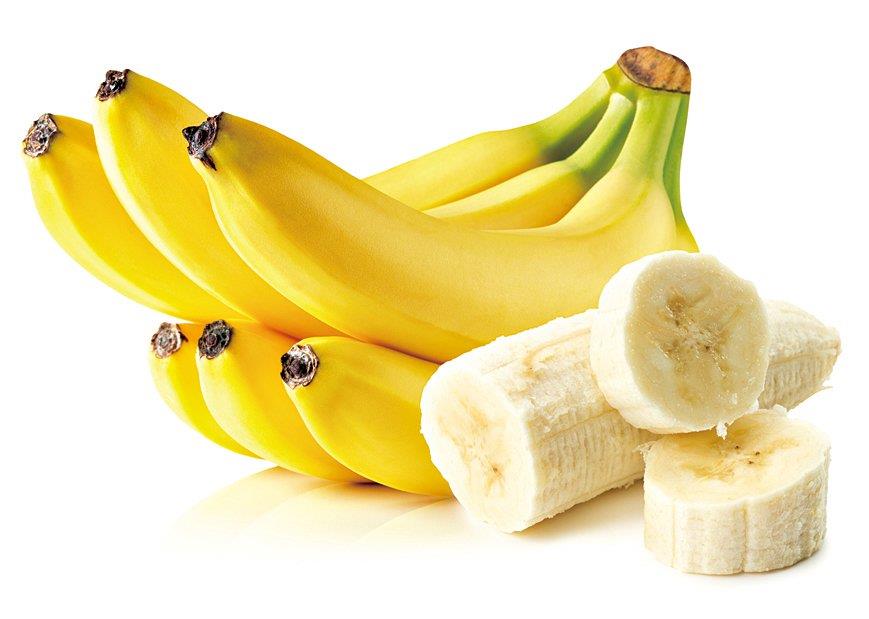
What 鈥淓mpty Stomach鈥?Really Changes
鈥淓mpty stomach鈥?is an everyday phrase, not a special medical state in which normal fruit becomes dangerous. It usually means that several hours have passed since the last meal. A banana eaten at that point is simply the first food entering the digestive tract.
What may change is how the meal feels. A banana provides carbohydrate and fiber but relatively little protein or fat. Some people find it convenient and satisfying as a light snack; others become hungry again soon and prefer it with plain yogurt, nuts, nut butter, eggs, or oats. That is a question of appetite and meal composition, not a universal safety rule.
A practical way to decide:
- If you feel well and the banana suits your morning, there is no general reason to avoid it.
- If you become hungry quickly, make it part of a fuller breakfast.
- If it repeatedly causes discomfort, change the portion, ripeness, or meal context and discuss persistent symptoms with a qualified professional.
- If you have a condition that affects potassium or blood-glucose management, follow your individual food plan.

Do Potassium and Magnesium Make Bananas Risky?
No, not for a healthy person with normal kidney function eating an ordinary food portion. The U.S. National Institutes of Health states that potassium from foods and beverages has not been shown to cause harm in healthy people with normal kidney function. Excess potassium is normally removed in urine.
The magnesium claim is also misplaced. The NIH Office of Dietary Supplements lists one medium banana as providing a modest amount of magnesium and explains that magnesium naturally present in food does not pose a health risk to healthy individuals because the kidneys eliminate excess amounts. The serious toxicity discussion applies mainly to very high supplemental or medicinal doses and to impaired kidney function鈥攏ot to eating one banana before breakfast.
Stomach emptiness does not create a mechanism that abruptly 鈥渂reaks鈥?the balance between magnesium and calcium in the blood. Symptoms such as marked weakness, paralysis, an abnormal heartbeat, or chest pain should never be assigned to a banana based on an internet rule; they require prompt medical assessment.
Safety note: Chronic kidney disease and some medicines can reduce the body's ability to control blood potassium. If your clinician has given you a potassium limit, use that personalized limit rather than general banana advice.

When a Banana Alone May Not Be the Best Breakfast
A banana can be the first food of the day without needing to be the whole breakfast. USDA nutrition information describes a medium banana as a source of carbohydrate and dietary fiber with only a small amount of protein and almost no fat. If you need a more substantial meal, the useful adjustment is to add other foods rather than label the banana unsafe.
Pairing for a steadier meal
Plain yogurt and banana, oats with banana slices, or a banana with nuts are simple combinations that add protein, fat, or more fiber. The best option depends on appetite, dietary needs, allergies, and the rest of the day's meals. There is no single pairing that every person must use.
Ripeness and portion can affect the experience
A very ripe banana tastes sweeter and has a softer texture than a firmer banana. Portion size also changes the amount of carbohydrate eaten at one time. These practical differences matter more than whether the stomach happened to be empty.

Who Should Use More Individualized Advice?
People managing diabetes
Bananas are not automatically excluded from a diabetes meal plan, but fruit contains carbohydrate. The American Diabetes Association recommends counting fruit within the meal plan and considering portion size. Eating fruit with protein or healthy fat can also make a snack more complete, but medication, glucose targets, and individual response should guide the final choice.
People with kidney disease or a potassium restriction
Damaged kidneys may not remove potassium efficiently. NIDDK guidance therefore treats banana portions as part of an individualized potassium plan for people with chronic kidney disease. The relevant issue is kidney function, laboratory results, medicines, and total diet鈥攏ot whether the banana is eaten before another food.
People with banana or latex-related allergy
Banana allergy is uncommon but real. A peer-reviewed review describes symptoms ranging from oral reactions to anaphylaxis, and banana can be involved in latex鈥揻ruit cross-reactivity. Mouth itching, hives, swelling, wheezing, or breathing difficulty after banana is an allergy concern; it is not a normal effect of eating on an empty stomach. Breathing difficulty or rapid swelling needs urgent medical care.
People who notice repeated digestive discomfort
Individual tolerance varies. If banana repeatedly brings bloating, nausea, reflux, cramping, or a change in bowel habits, try a smaller portion or eat it as part of a meal. Persistent or severe symptoms deserve professional assessment instead of a blanket food rule.
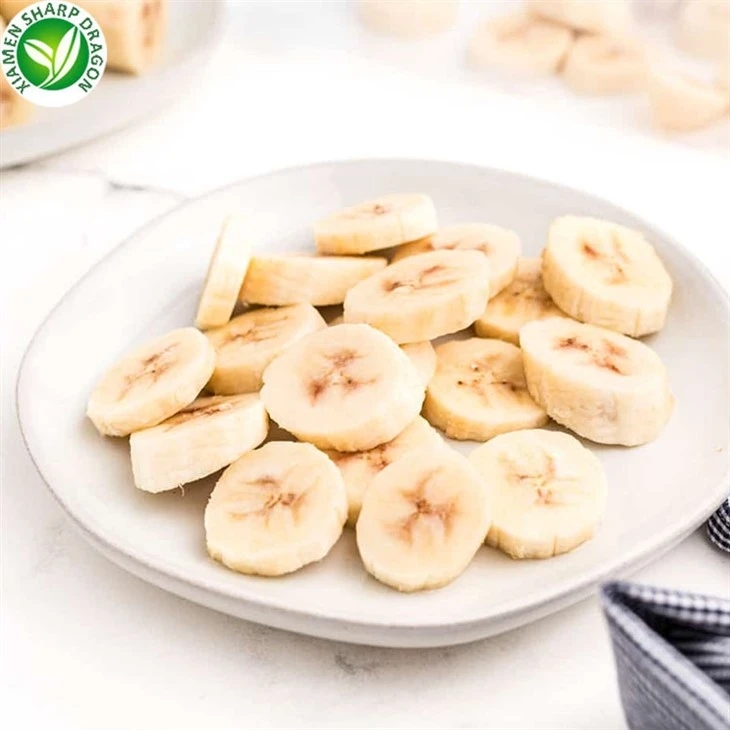
Fresh and Frozen Banana: Does the Format Matter?
Plain frozen banana does not acquire a special empty-stomach hazard simply because it has been frozen. The more important distinction is between a plain ingredient and the finished food. Unsweetened banana pieces are not the same as banana in syrup, a sweetened smoothie, a dessert coating, or a large blended drink with several added ingredients.
Frozen banana is useful when portioning and convenience matter. It can be blended into smoothies, added to yogurt or oatmeal, or used in bakery and dessert applications. For a morning serving, check the ingredient list and count everything in the recipe rather than judging the banana alone.
At XMSD, we connect format decisions to the finished application. Our current IQF frozen banana page shows slices, chunks, and customized cut options for beverage, dairy, bakery, retail, foodservice, and processing use. Buyers should still assess a sample in the actual recipe because cut size, ripeness, thawing behavior, and blending performance can change the result.

What Frozen Banana Buyers Should Check
For commercial breakfast, beverage, bakery, dairy, and foodservice products, the buyer question is broader than 鈥淐an banana be eaten first?鈥?The frozen ingredient must fit the recipe, processing sequence, portion target, label, and sales channel.
- Ingredient statement: confirm whether the product is plain banana or contains added ingredients.
- Cut and portion: choose slices, chunks, or another agreed format that matches blending, topping, baking, or packing.
- Appearance and ripeness: approve a realistic color, sweetness, and texture tolerance against the intended recipe.
- Thawing performance: test drip, softening, browning, and handling under the buyer's actual process.
- Packaging: confirm pack weight, inner bag, carton, label, and channel requirements. XMSD's frozen packaging overview shows available packaging directions for discussion.
- Cold-chain plan: align storage, transport, receiving, and handling conditions with the agreed product specification.
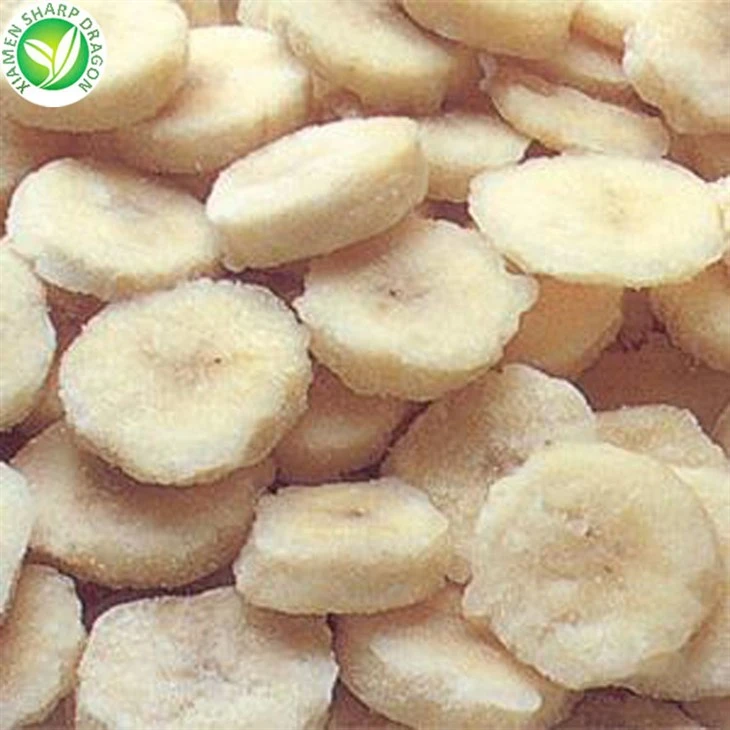
XMSD sourcing note: Tell us the banana cut, ingredient requirement, packing format, destination, and end use. We can then review the requested specification and arrange the next discussion around samples or quotation.
Frequently Asked Questions
1. Can most people eat a banana first thing in the morning?
Yes. Most healthy people can eat a banana as the first food of the day. Add other foods if you want a fuller breakfast or if a banana alone does not keep you satisfied.
2. Can a banana on an empty stomach cause a heart attack?
There is no authoritative evidence that one ordinary banana eaten before other food causes a heart attack in a healthy person. Chest pain, fainting, severe weakness, or an abnormal heartbeat needs medical assessment rather than an assumption about food timing.
3. Does banana magnesium disturb calcium balance?
Not in the way the common myth suggests. A medium banana contains a modest food-based amount of magnesium, and NIH guidance says magnesium naturally present in food does not pose a health risk to healthy people.
4. Can one banana raise blood potassium to a dangerous level?
Food potassium has not been shown to harm healthy people with normal kidney function. The answer changes for some people with kidney disease, heart failure, adrenal disorders, type 1 diabetes, or medicines that affect potassium, so their clinician's plan takes priority.
5. Is a banana alone a complete breakfast?
It can be a light breakfast or snack, but it provides little protein or fat. If you need more staying power, combine it with yogurt, nuts, eggs, oats, or another food that fits your diet.
6. Should people with diabetes avoid bananas before breakfast?
Not automatically. Banana contains carbohydrate, so portion and the rest of the meal should fit the person's diabetes plan. Individual glucose response, medicines, and professional guidance matter more than a blanket empty-stomach rule.
7. Should people with chronic kidney disease avoid bananas?
Some people with chronic kidney disease need to limit potassium, while others have different targets. Use the portion and frequency advised by the treating clinician or renal dietitian.
8. Can banana worsen acid reflux?
There is no universal response. If banana repeatedly triggers reflux for you, try a smaller portion or eat it with a meal and discuss ongoing symptoms with a clinician. Do not assume that the same trigger applies to everyone.
9. What if banana causes bloating or nausea?
Stop using the portion or meal pattern that causes discomfort. You can test a smaller amount or a different ripeness as tolerated. Repeated, severe, or unexplained symptoms should be evaluated professionally.
10. Is frozen banana safe to eat before other food?
Plain frozen banana carries no special empty-stomach warning. Check added ingredients, serving size, storage instructions, and the full recipe, especially for sweetened smoothies or desserts.
11. Can I eat a banana before exercise?
A banana is one practical fruit option before activity, and the American Heart Association lists fruit such as banana when only a short time remains before exercise. Training intensity, timing, and individual digestive comfort still matter.
12. Is banana allergy connected with latex allergy?
It can be. Banana is among the foods associated with latex鈥揻ruit cross-reactivity. Anyone who has immediate mouth itching, hives, swelling, wheezing, or breathing difficulty after banana should seek appropriate medical advice; breathing difficulty is urgent.
13. What frozen banana format should a commercial buyer request?
Start with the end use. Smoothies may prioritize easy blending and portioning; toppings may need consistent slices; bakery or dairy systems may need a different cut and thawing behavior. Confirm the agreed sample, ingredients, cut, pack, and application test before ordering.
Final Thoughts from XMSD
A banana can usually be eaten on an empty stomach. The alarming claims about a sudden mineral imbalance or heart attack do not match authoritative guidance for healthy people. Focus instead on personal tolerance, the completeness of the meal, and any medical condition that changes potassium, carbohydrate, or allergy management.
References
- NIH Office of Dietary Supplements: Potassium Fact Sheet for Consumers
- NIH Office of Dietary Supplements: Magnesium Fact Sheet for Health Professionals
- American Diabetes Association: Best Fruit Choices for Diabetes
- NIDDK: Potassium Tips for People with Chronic Kidney Disease
- PubMed: Comprehensive Review on Banana Fruit Allergy
- USDA SNAP-Ed: Bananas
- American Heart Association: Food as Fuel Before, During and After Workouts
- XMSD: IQF Frozen Banana Supplier and Manufacturer (operational product and application source)