


What is the best time to eat a mango?
Nov 01, 2019

There is no universally best clock time to eat mango. A healthy adult can place it at breakfast, with lunch, as a snack, or after dinner. The better moment is the one in which an appropriate portion fits the rest of the meal, satisfies the reason for eating, and remains comfortable for digestion and reflux.
Morning gives mango no automatic nutritional advantage, and sunset creates no special fattening property. The fruit contributes the same ingredients; what changes is context. A few mango pieces in yogurt are a very different eating event from a large sweetened smoothie added after a full meal. Portion, recipe, and whether the fruit replaces or merely adds food matter more than the hour.
Use a simple decision: choose breakfast when mango helps complete an otherwise sparse meal; choose a snack when it bridges a genuine hunger gap; choose dessert when the amount still suits the dinner; and move it earlier if late eating consistently brings reflux. People managing diabetes, a prescribed diet, or persistent symptoms should fit the carbohydrate and timing into their individual clinical plan.

Choose a Meal Function, Not a Magic Hour
Many timing claims assign imaginary powers to the clock. They promise better absorption before breakfast, forbid fruit after a particular hour, or imply that digestion switches off at night. Those shortcuts ignore the actual meal. The practical question is what mango is doing there: adding fruit to breakfast, replacing a confectionery snack, supplying part of a dessert, or becoming a large beverage on top of food already eaten.
Replacement and addition lead to different outcomes. If a measured mango portion replaces a dessert that the eater did not want, timing may work well. If the same portion is added after a satisfying dinner simply because mango is considered healthy, the person has eaten more without necessarily improving the meal. The hour is incidental; the choice is about appetite and total intake.
The same reasoning applies at breakfast. Mango alone may be enjoyable but may not make a complete meal for someone who needs longer staying power. Combining it with an unsweetened dairy or soy food, oats, eggs, nuts, or another suitable protein-and-grain pattern changes the meal more meaningfully than moving the fruit from 10:00 to 8:00. Personal needs differ, so the composition is more informative than a universal schedule.

Breakfast Works When Mango Completes the Plate
Mango can be useful in the morning because it is convenient and familiar, not because the body grants it a special nutritional window. Fresh pieces can be cut ahead only within safe handling limits; frozen pieces can be dispensed directly for blending or thawed under refrigeration for a bowl. Either format lets the eater define the amount before hunger turns preparation into guesswork.
A breakfast built around fruit should still be judged as a whole. Sweetened yogurt, mango puree, honey, and granola may sound varied while stacking several sweet components. By contrast, plain yogurt with a measured fruit portion and an unsweetened grain can be easier to read. USDA FoodData Central is useful here because it separates the composition of a defined food from the claims made about a recipe.
Practical example: Take an office worker who usually leaves home after coffee and becomes very hungry by 10:30. The proposed breakfast uses 100 g of thawed mango dice, 170 g of plain yogurt, and 30 g of oats. The decision is not that mango must be eaten early; it is that a pre-portioned fruit component helps turn a skipped breakfast into a structured one. If hunger remains excessive, the meal composition-not a fifteen-minute change in timing-is the next variable to adjust.
Someone who dislikes breakfast has no need to force mango at dawn. Waiting until genuine hunger appears may be more comfortable, provided the person's medical plan allows a flexible schedule. "Best time" should make eating simpler, not impose a ritual unsupported by the person's day.

A Snack Is Useful Only If It Solves Real Hunger
Mid-morning and afternoon are popular answers because a fruit snack can bridge a long interval. That can be sensible, but the gap should be real. Eating mango automatically at 3 p.m. despite no hunger turns timing into habit rather than a response. A small bowl may be enough when dinner is two hours away; a more complete snack may be appropriate when the gap is much longer.
Texture changes how a snack feels. Whole pieces require chewing and keep the amount visible. Juice and thin puree are easier to drink rapidly, while a large smoothie can contain more fruit than anyone would prepare as pieces. Mechanical breakdown, added ingredients, and the serving vessel create that difference, rather than freezing itself. Read the whole formula before attributing the effect to mango.
For us, cut geometry is especially important in snack cups. Small dice distribute evenly with yogurt or grains; large chunks dominate each spoonful and need a longer controlled thaw. If the product releases too much liquid, the cup can look watery before service. We judge the fruit by the intended holding time and final texture rather than assuming that one mango cut suits every schedule.
An IQF mango option is therefore most useful when separate pieces support weighing and partial-bag use. That is an operational portion-control advantage, entirely separate from time-of-day nutrition claims.

The Best Time Moves With the Day
A fixed fruit schedule breaks as soon as the day changes. Someone starting work at 5 a.m. may need an early meal; a restaurant worker finishing near midnight may eat the same sequence much later. Weekend breakfast, travel, fasting practices, medication schedules, and appetite can all move the eating window. The name of the meal is less important than its function.
On a long workday, plan from the largest gap. If lunch is at noon and dinner cannot happen until eight, a deliberate afternoon serving may prevent hurried grazing. If dinner follows at five, that same snack may simply blunt appetite. Mango is neither required nor forbidden in either pattern; the interval and hunger decide whether it earns a place.
Travel creates a different problem: portability and temperature control. A whole sound fruit may travel differently from cut fresh fruit or thawing frozen pieces. A commercial chilled fruit cup needs the operation's validated storage and shelf-life controls. Convenience never cancels food-safety requirements, so timing begins with a form that can be held safely until it is eaten.
Exercise is often used to sell precise fruit windows, but the appropriate choice varies with activity, total meal pattern, gastrointestinal comfort, and individual goals. A small portion may be acceptable before activity for one person and uncomfortable for another. Duration and intensity also change what the person needs from the complete meal. Competitive athletes or people with medical nutrition needs should use qualified guidance rather than a generic mango timetable, then evaluate mango within that individualized plan.
Children and older adults may also need a different texture or eating opportunity, yet age alone does not create one best hour. Caregivers can focus on safe cut, manageable portion, supervision where needed, and whether fruit displaces more important parts of the meal. A soft mango puree is not interchangeable with a peel-on slice simply because both were served at breakfast.
Shift workers can use the same reasoning without pretending that biological night is irrelevant. Heavy food shortly before the main sleep period may be uncomfortable even when that sleep occurs during daylight. Place mango according to the worker's meal sequence and symptom history, then keep the serving stable long enough to learn from it.
A useful schedule survives missed trains, late meetings, and changing weekends. It identifies the purpose of the serving and has a sensible alternative. If breakfast is skipped, mango can move to the next meal; it has not missed a nutritional appointment.
Lunch and Dinner Depend on What Mango Replaces
Mango can sit inside a savory meal as salsa, salad fruit, chutney, or a measured side. In those uses, the recipe may spread a modest amount across several servings. A dessert bowl concentrates it in one place. Neither format is inherently wrong, but they solve different sensory and portion problems.
Consider sweetness across the full plate. A mango salsa beside an unsweetened main course is not equivalent to mango in syrup after a sweet beverage and sweet sauce. Ingredient names can hide that difference. The fruit's natural carbohydrate remains relevant, while syrups, sweetened dairy, and added sugar belong to the finished-product calculation.
People managing blood glucose need more than a clock rule. The edible weight, product form, carbohydrate in the complete meal, medication, activity, and individual response can all affect their plan. A clinician or registered dietitian can translate those factors into a personal target. "Eat mango only before noon" is not an adequate substitute for that work.
If dinner is already complete, pause before adding fruit out of obligation. Mango can be saved for tomorrow without losing its identity as a healthy food. With frozen product, that is easy because the unopened or promptly returned portion remains available, provided storage and handling follow the pack instructions.
Move Mango Earlier When Late Meals Trigger Reflux
Night is not forbidden, but symptoms can make it a poor fit. NIDDK guidance for people with gastroesophageal reflux symptoms notes that eating at least three hours before lying down or going to bed may improve nighttime symptoms. That advice concerns meal timing and reflux management rather than a universal mango trigger.
The cleanest test is to change distance from bedtime before blaming the fruit. If mango follows a large, high-fat dinner and the person lies down shortly afterward, several variables point in the same direction. Try placing the same modest mango amount at lunch or in an earlier snack, without the large late meal. A consistent improvement suggests that schedule and meal load deserve attention.
Reflux is not the only reason to move food. Some people simply sleep better without feeling full; others become hungry if dinner is too early. No general rule can settle those competing experiences. Repeated personal response, with major variables held reasonably steady, is more useful than a social-media chart assigning fruit to hours.
Allergy changes the question entirely. Mango can cause contact or systemic allergic reactions in susceptible people, and published reviews describe peel-related reactions and cross-sensitization. Someone who develops itching, rash, swelling, breathing difficulty, or other concerning symptoms needs appropriate medical advice; changing breakfast to lunch will not solve an allergy.

Frozen Mango Timing Is Mostly a Thawing Decision
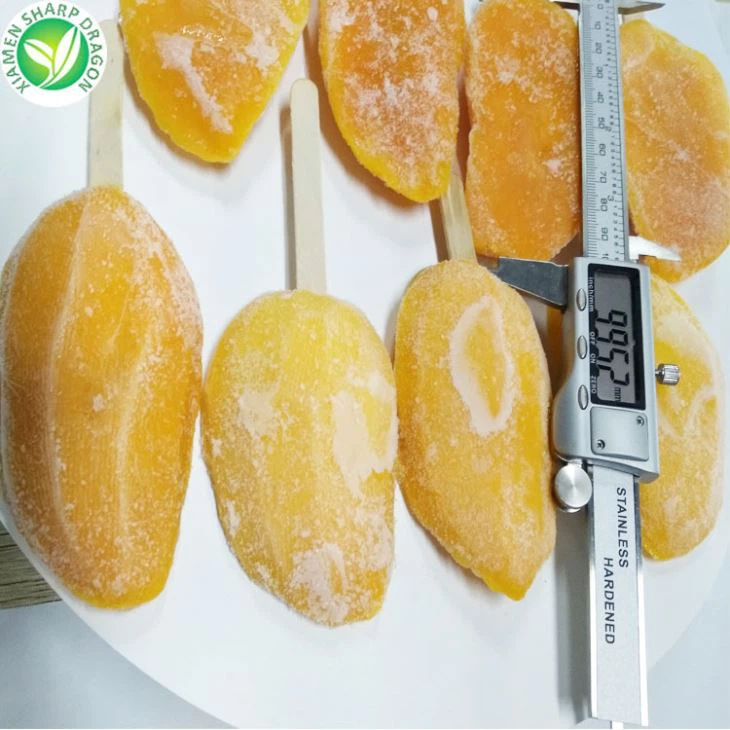
Frozen mango can be served partly frozen in some blended applications, cooked directly into others, or thawed under controlled refrigeration when intact pieces are required. Those choices affect texture and water release. They do not alter the basic answer about clock time, but they determine whether the fruit is ready when the meal needs it.
We begin with the finished texture. A smoothie can accept firm frozen pieces that chill the blend. A breakfast pot intended to be eaten with a spoon needs enough thawing for a pleasant bite, yet holding too long can soften edges and release juice into the surrounding dairy. For a plated dessert, frozen mango slices may present better than dice, provided the thawed structure suits the design.
Test the actual holding window. Examine piece separation on opening, time to the desired bite under the kitchen's refrigerated conditions, liquid release at service, color, aroma, and the way the fruit distributes through the recipe. A sample that looks attractive straight from the freezer can still fail after two hours in a chilled display.
The broader frozen mango format range is useful for matching dice, chunks, and slices to that service plan. Selecting the form first prevents the menu developer from treating thaw time as an afterthought.

A Foodservice Schedule Starts With Portions and Throughput
Cafés and hotel breakfast operations face a different timing question from a household. They need the fruit ready across a service window without repeatedly thawing too much. Forecasted covers, portion weight, inner-pack size, thaw capacity, chilled holding space, and discard policy become the relevant variables. A popular "morning fruit" claim answers none of them.
Worked example: A café expects 45 mango-yogurt cups and assigns 80 g of mango to each. The fruit requirement is 45 × 80 g = 3,600 g, or 3.6 kg before any allowance defined by the café's own handling trial. If mango comes in three 1.5 kg inner bags, opening all three exposes 4.5 kg. The better action may be to thaw two bags plus a measured 600 g from a third under the operation's approved controls, leaving the balance protected for later use.
That calculation is illustrative, not a packing promise or a food-safety holding instruction. It demonstrates why inner packs and forecast error shape the preparation time. The business should follow its food-safety plan and product label for thawing and holding, then validate the sensory window rather than inventing a universal number.
We also watch the gap between gross fruit issued and fruit actually served. Liquid left in the container, pieces rejected for texture, and product remaining after the last cover all affect usable cost. A timing plan is successful when it gives the kitchen the intended mango at service, not merely when a bag was moved from the freezer on schedule.
Make the Timing Choice in Four Questions
First ask why you want the mango. Hunger, meal completion, dessert preference, and recipe production are legitimate but different purposes. Second define the edible amount and the final form-pieces, puree, smoothie, sweetened dessert, or a component spread across several servings. Third look at what else is being eaten. Fourth note any repeated symptom or practical failure.
If the meal is balanced, the portion is deliberate, and no symptom follows, there is little reason to chase a better hour. If reflux appears after late food, create more time before lying down and reduce the late meal load. If appetite is the issue, determine whether mango is replacing something or simply arriving on top. If a commercial product becomes watery, redesign the thaw and holding plan.
For frozen-product procurement, use the same discipline at a different scale. Define cut, portion, service temperature, thaw route, holding period, recipe, daily demand, and pack opening pattern. Review frozen packaging choices against those facts. The "best time" then becomes a controlled service decision rather than a nutrition slogan.
Keep the conclusion flexible when seasons and menus change. A chilled mango bowl may appeal in warm weather, while cooked oats with mango may fit a colder morning. That is preference and application fit, not a change in the fruit's biological clock. The same person can reasonably choose different moments across the year.
Finally, distinguish a schedule from a rule. A schedule says, "I portion mango for the afternoon because that is when I am hungry." A rule says, "Mango is harmful after 6 p.m." The first is a usable habit that can adapt; the second is unsupported.
XMSD sourcing note: For a mango application check, provide the cut, portion per serving, recipe, thawing route, service window, inner-pack preference, destination, and sample need. That information allows the fruit format to be judged in the real meal.
References
Eating mango before breakfast is the best time, because eating mango at this time can make the stomach more easily absorb the nutrition of mango, and during this time, people need to supplement nutrients most, but the digestive function of the stomach has not been fully activated.At this time, eat mangoes that are easily digested.Not only can add vitamins, but it also plays an appetizing role.
