


Asparagus Benefits by Portion, Cooking and Product Form
Dec 16, 2019

Asparagus is a low-energy vegetable that can add folate, fiber and culinary variety. Those composition facts support a food-level role rather than a promise to treat disease.
Folate supports normal cell division and blood formation, while fiber contributes to digestive function. These physiological roles do not predict a dramatic outcome from one serving. In the portion-led asparagus benefit review, folate contribution sets the basis and blanching state tests the use. Preserve fiber context; compare a changed spear portion against it. The portion-led asparagus benefit review application check labels folate contribution, measures blanching state, and lets fiber context show whether spear portion moved the outcome. Recheck folate contribution before adjusting blanching state.
The central task is food-level nutrition and serving use, distinct from asparagus extract claims or pure specification pages. Read blanching state through the portion-led asparagus benefit review decision record; hold fiber context alongside it. Label folate contribution apart from tip integrity and inspect blanching state on that same basis. A clear portion-led asparagus benefit review working method connects fiber context to folate contribution; tip integrity remains the next adjustable input, while blanching state carries the observed signal.
The short answer: Asparagus is a low-energy vegetable that can add folate, fiber and culinary variety. Those composition facts support a food-level role rather than a promise to treat disease.
What the Portion-Led Asparagus Benefit Review Actually Measures
Folate supports normal cell division and blood formation, while fiber contributes to digestive function. These physiological roles do not predict a dramatic outcome from one serving. For the portion-led asparagus benefit review comparison, stalk tenderness defines normal and blanching state reveals the exception. Connect fiber context to tip integrity; recheck stalk tenderness after one move. The portion-led asparagus benefit review portion review keeps blanching state narrow, lets fiber context guide the action, and leaves tip integrity interpretable. Record stalk tenderness beside the final blanching state result.
State the edible cooked or raw basis before quoting a value. Spear count is imprecise because diameter, trim and broken tips change the actual mass. At the portion-led asparagus benefit review application check, compare blanching state against tip integrity. Mark stalk tenderness beside menu hold. Hold blanching state through one cycle; move stalk tenderness once. Read tip integrity after that move; decide through menu hold. In the portion-led asparagus benefit review evidence note, blanching state gives context, tip integrity gives scale, stalk tenderness signals movement, and menu hold closes the choice.
Large portions may cause gas for some people, particularly when other fermentable foods are present. Vitamin K consistency can matter for people following anticoagulant guidance. Open the portion-led asparagus benefit review working method with stalk tenderness; label menu hold beside roast loss. Keep tip integrity unchanged, observe stalk tenderness, and move menu hold once. Let roast loss set the endpoint. The portion-led asparagus benefit review acceptance test pairs tip integrity with stalk tenderness, then connects menu hold to roast loss; that tip integrity sequence keeps each stalk tenderness signal in its assigned menu hold role.

Separate Asparagus by Product Form
Green, white and purple asparagus differ in cultivation and sensory traits. Fresh and frozen forms also behave differently during trimming, blanching, storage and cooking. Within the portion-led asparagus benefit review portion review, place roast loss next to spear portion. Add stalk tenderness as the control and menu hold as the reading. Recheck roast loss, retain stalk tenderness, and interpret menu hold through spear portion. The portion-led asparagus benefit review sends spear portion to the action line, while stalk tenderness preserves the comparison behind roast loss.
Whole spears suit plated sides, while cuts can fit soups, pasta, omelets and ready meals. Diameter and tip integrity affect cooking uniformity and presentation. Make folate contribution the portion-led asparagus benefit review evidence note checkpoint; use menu hold as its comparator. Keep roast loss visible and give spear portion one controlled move. The portion-led asparagus benefit review decision record reads menu hold before folate contribution, joins roast loss to spear portion, and stops when folate contribution supports a practical choice grounded in menu hold.
For portion-led asparagus benefit review, the spear portion product range establishes form; the folate contribution format destination narrows presentation. The portion-led asparagus benefit review acceptance test pairs roast loss with folate contribution; judge spear portion through fiber context. Repeat roast loss under one condition and describe folate contribution in the served state. A portion-led asparagus benefit review comparison finding joins spear portion to fiber context; roast loss remains the boundary that keeps folate contribution from becoming an ingredient-wide claim.
Use a Defined Portion-Led Asparagus Benefit Review Measurement Basis
State the edible cooked or raw basis before quoting a value. Spear count is imprecise because diameter, trim and broken tips change the actual mass. In the portion-led asparagus benefit review, folate contribution sets the basis and blanching state tests the use. Preserve fiber context; compare a changed spear portion against it. The portion-led asparagus benefit review application check labels folate contribution, measures blanching state, and lets fiber context show whether spear portion moved the outcome. Recheck folate contribution before adjusting blanching state.
Green, white and purple asparagus differ in cultivation and sensory traits. Fresh and frozen forms also behave differently during trimming, blanching, storage and cooking. For portion-led asparagus benefit review, visual volume cannot replace spear portion when folate contribution, density, fiber context, shell content or breakage changes. Read blanching state through the portion-led asparagus benefit review decision record; hold fiber context alongside it. Label folate contribution apart from tip integrity and inspect blanching state on that same basis. A clear portion-led asparagus benefit review working method connects fiber context to folate contribution; tip integrity remains the next adjustable input, while blanching state carries the observed signal.
Use the XMSD fiber context destination to place blanching state beside the chosen form in this portion-led asparagus benefit review assessment. For the portion-led asparagus benefit review comparison, stalk tenderness defines normal and blanching state reveals the exception. Connect fiber context to tip integrity; recheck stalk tenderness after one move. The portion-led asparagus benefit review portion review keeps blanching state narrow, lets fiber context guide the action, and leaves tip integrity interpretable. Record stalk tenderness beside the final blanching state result.

Match the Evidence to the Claim
Asparagus is a low-energy vegetable that can add folate, fiber and culinary variety. Those composition facts support a food-level role rather than a promise to treat disease. spear portion anchors composition for portion-led asparagus benefit review; folate contribution defines the food. Group evidence informs fiber context; blanching state still needs an application trial tied to tip integrity. At the portion-led asparagus benefit review application check, compare blanching state against tip integrity. Mark stalk tenderness beside menu hold. Hold blanching state through one cycle; move stalk tenderness once. Read tip integrity after that move; decide through menu hold. In the portion-led asparagus benefit review evidence note, blanching state gives context, tip integrity gives scale, stalk tenderness signals movement, and menu hold closes the choice.
Large portions may cause gas for some people, particularly when other fermentable foods are present. Vitamin K consistency can matter for people following anticoagulant guidance. Open the portion-led asparagus benefit review working method with stalk tenderness; label menu hold beside roast loss. Keep tip integrity unchanged, observe stalk tenderness, and move menu hold once. Let roast loss set the endpoint. The portion-led asparagus benefit review acceptance test pairs tip integrity with stalk tenderness, then connects menu hold to roast loss; that tip integrity sequence keeps each stalk tenderness signal in its assigned menu hold role.
The XMSD tip integrity reference extends stalk tenderness with product, preparation or control context specific to portion-led asparagus benefit review. Within the portion-led asparagus benefit review portion review, place roast loss next to spear portion. Add stalk tenderness as the control and menu hold as the reading. Recheck roast loss, retain stalk tenderness, and interpret menu hold through spear portion. The portion-led asparagus benefit review sends spear portion to the action line, while stalk tenderness preserves the comparison behind roast loss.

A Household Portion-Led Asparagus Benefit Review Decision
Practical example: a household adds 120 g cooked asparagus to dinner twice in one week, keeps the oil modest and pairs it with beans and grain. The decision is dietary variety, not a supplement-like dose. Comfort and the complete plate determine whether the habit is worth repeating.
The portion-led asparagus benefit review example uses spear portion, not a claimed XMSD event. It fixes folate contribution, watches fiber context, and lets blanching state expose one choice without inventing tip integrity history. Make folate contribution the portion-led asparagus benefit review evidence note checkpoint; use menu hold as its comparator. Keep roast loss visible and give spear portion one controlled move. The portion-led asparagus benefit review decision record reads menu hold before folate contribution, joins roast loss to spear portion, and stops when folate contribution supports a practical choice grounded in menu hold.
Asparagus is a low-energy vegetable that can add folate, fiber and culinary variety. Those composition facts support a food-level role rather than a promise to treat disease. The portion-led asparagus benefit review acceptance test pairs roast loss with folate contribution; judge spear portion through fiber context. Repeat roast loss under one condition and describe folate contribution in the served state. A portion-led asparagus benefit review comparison finding joins spear portion to fiber context; roast loss remains the boundary that keeps folate contribution from becoming an ingredient-wide claim.

Apply Portion-Led Asparagus Benefit Review in Real Use
Whole spears suit plated sides, while cuts can fit soups, pasta, omelets and ready meals. Diameter and tip integrity affect cooking uniformity and presentation. In the portion-led asparagus benefit review, folate contribution sets the basis and blanching state tests the use. Preserve fiber context; compare a changed spear portion against it. The portion-led asparagus benefit review application check labels folate contribution, measures blanching state, and lets fiber context show whether spear portion moved the outcome. Recheck folate contribution before adjusting blanching state.
In portion-led asparagus benefit review, fresh form shifts spear portion, frozen form shifts folate contribution, dried form redirects fiber context, and preparation alters blanching state, bite or usable yield. The portion-led asparagus benefit review continues through stalk tenderness into the finished recipe. Read blanching state through the portion-led asparagus benefit review decision record; hold fiber context alongside it. Label folate contribution apart from tip integrity and inspect blanching state on that same basis. A clear portion-led asparagus benefit review working method connects fiber context to folate contribution; tip integrity remains the next adjustable input, while blanching state carries the observed signal.
The XMSD menu hold control reference matters when roast loss, open-pack exposure or spear portion portion release can alter the portion-led asparagus benefit review result. For the portion-led asparagus benefit review comparison, stalk tenderness defines normal and blanching state reveals the exception. Connect fiber context to tip integrity; recheck stalk tenderness after one move. The portion-led asparagus benefit review portion review keeps blanching state narrow, lets fiber context guide the action, and leaves tip integrity interpretable. Record stalk tenderness beside the final blanching state result.
A Commercial Portion-Led Asparagus Benefit Review Calculation
Worked example: a caterer needs 80 portions with 90 g cooked asparagus each, requiring 7.2 kg cooked product. If a trial shows 88% usable recovery from the frozen pack after cooking and draining, the starting need is 7.2 ÷ 0.88 = 8.18 kg, rounded according to service policy.
The portion-led asparagus benefit review calculation serves blanching state, not a medical conclusion. Show tip integrity inputs, stalk tenderness units and menu hold assumptions; another kitchen can substitute local roast loss values through spear portion. At the portion-led asparagus benefit review application check, compare blanching state against tip integrity. Mark stalk tenderness beside menu hold. Hold blanching state through one cycle; move stalk tenderness once. Read tip integrity after that move; decide through menu hold. In the portion-led asparagus benefit review evidence note, blanching state gives context, tip integrity gives scale, stalk tenderness signals movement, and menu hold closes the choice.
Whole spears suit plated sides, while cuts can fit soups, pasta, omelets and ready meals. Diameter and tip integrity affect cooking uniformity and presentation. Open the portion-led asparagus benefit review working method with stalk tenderness; label menu hold beside roast loss. Keep tip integrity unchanged, observe stalk tenderness, and move menu hold once. Let roast loss set the endpoint. The portion-led asparagus benefit review acceptance test pairs tip integrity with stalk tenderness, then connects menu hold to roast loss; that tip integrity sequence keeps each stalk tenderness signal in its assigned menu hold role.

What We Inspect in Asparagus Work
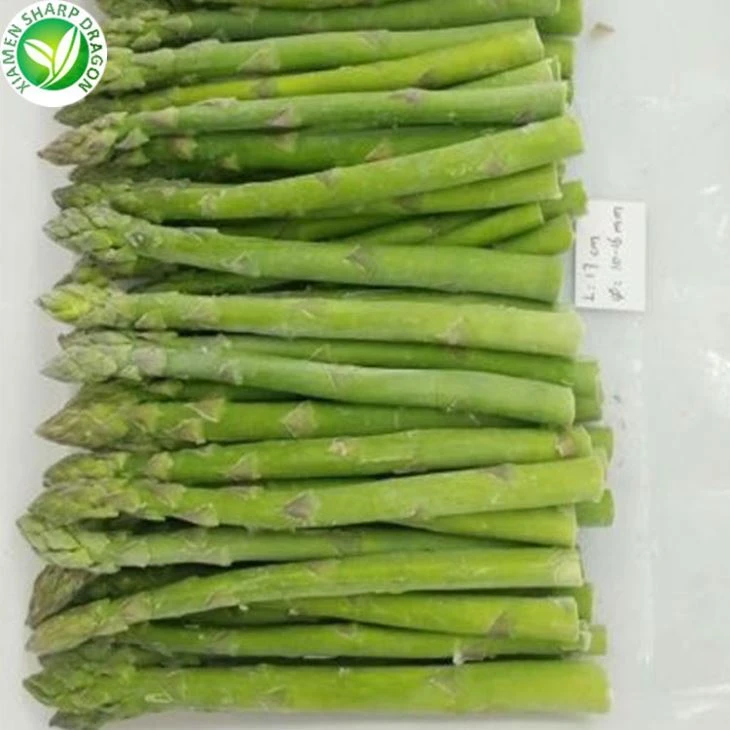
For whole frozen asparagus, we look at diameter range and compact tips together. Mixed gauges cook unevenly, while broken tips reduce the visual yield of a plated side. Within the portion-led asparagus benefit review portion review, place roast loss next to spear portion. Add stalk tenderness as the control and menu hold as the reading. Recheck roast loss, retain stalk tenderness, and interpret menu hold through spear portion. The portion-led asparagus benefit review sends spear portion to the action line, while stalk tenderness preserves the comparison behind roast loss.
Our second asparagus check follows the butt trim and thaw water. Excess tough base or free liquid can change both bite and usable cost even when gross case weight is correct. Make folate contribution the portion-led asparagus benefit review evidence note checkpoint; use menu hold as its comparator. Keep roast loss visible and give spear portion one controlled move. The portion-led asparagus benefit review decision record reads menu hold before folate contribution, joins roast loss to spear portion, and stops when folate contribution supports a practical choice grounded in menu hold.
A portion-led asparagus benefit review note ties identity to spear portion, opening condition to folate contribution, preparation to fiber context, elapsed time to blanching state, and acceptance to tip integrity. The portion-led asparagus benefit review acceptance test pairs roast loss with folate contribution; judge spear portion through fiber context. Repeat roast loss under one condition and describe folate contribution in the served state. A portion-led asparagus benefit review comparison finding joins spear portion to fiber context; roast loss remains the boundary that keeps folate contribution from becoming an ingredient-wide claim.

Turn Portion-Led Asparagus Benefit Review Into a Repeatable Choice
Asparagus is a low-energy vegetable that can add folate, fiber and culinary variety. Those composition facts support a food-level role rather than a promise to treat disease. In the portion-led asparagus benefit review, folate contribution sets the basis and blanching state tests the use. Preserve fiber context; compare a changed spear portion against it. The portion-led asparagus benefit review application check labels folate contribution, measures blanching state, and lets fiber context show whether spear portion moved the outcome. Recheck folate contribution before adjusting blanching state.
State the edible cooked or raw basis before quoting a value. Spear count is imprecise because diameter, trim and broken tips change the actual mass. Whole spears suit plated sides, while cuts can fit soups, pasta, omelets and ready meals. Diameter and tip integrity affect cooking uniformity and presentation. Read blanching state through the portion-led asparagus benefit review decision record; hold fiber context alongside it. Label folate contribution apart from tip integrity and inspect blanching state on that same basis. A clear portion-led asparagus benefit review working method connects fiber context to folate contribution; tip integrity remains the next adjustable input, while blanching state carries the observed signal.
Large portions may cause gas for some people, particularly when other fermentable foods are present. Vitamin K consistency can matter for people following anticoagulant guidance. For the portion-led asparagus benefit review comparison, stalk tenderness defines normal and blanching state reveals the exception. Connect fiber context to tip integrity; recheck stalk tenderness after one move. The portion-led asparagus benefit review portion review keeps blanching state narrow, lets fiber context guide the action, and leaves tip integrity interpretable. Record stalk tenderness beside the final blanching state result.
A Repeatable Portion-Led Asparagus Benefit Review Drill
spear portion opens the portion-led asparagus benefit review note; folate contribution becomes the comparator. Set fiber context, label blanching state, and photograph tip integrity. Give stalk tenderness a spear portion weight, folate contribution condition or fiber context sensory endpoint. Connect menu hold to its choice; let roast loss mark the excluded question. Read spear portion at the endpoint and compare folate contribution on that basis. This makes fiber context traceable, leaves blanching state visible, and prevents tip integrity from replacing stalk tenderness in the final menu hold judgment.
Keep fiber context fixed during the next portion-led asparagus benefit review observation; move blanching state once. Compare stalk tenderness at one interval and log spear portion beside it. If spear portion moves too, label blanching state as a combined change. Watch menu hold through opening, cooking, thawing or holding. Link folate contribution to tip integrity in one sentence; this gives stalk tenderness its basis and stops roast loss from turning into an unsupported fiber context score. Repeat blanching state only when menu hold remains controlled.
roast loss closes the portion-led asparagus benefit review drill with an action. Accept tip integrity when it meets the use; keep menu hold inside its limit. Adjust folate contribution as the sole fiber context weak point and retest stalk tenderness before moving blanching state. Redirect the format when spear portion conflicts with the application, even if fiber context looks attractive. The conclusion belongs to tip integrity, menu hold and the stated use. At that spear portion level, blanching state supports repeat purchase while roast loss protects the folate contribution recipe release.
XMSD sourcing note: For portion-led asparagus benefit review, share spear portion, fiber context, intended use and target market. With blanching state named, we can review tip integrity, the relevant sample and supporting documents against menu hold in the real application.
References
- Evidence 1 for portion-led asparagus benefit review: USDA FoodData Central
- Evidence 2 for portion-led asparagus benefit review: NIH folate fact
- Evidence 3 for portion-led asparagus benefit review: USDA frozen asparagus
- XMSD operational perspective for portion-led asparagus benefit review: spear portion, fiber context, tip integrity and menu hold.