


Chinese Bayberry Nutrition and Benefits | XMSD
May 25, 2020

Chinese bayberry is a sweet-tart fruit that provides carbohydrate, fiber, vitamin C, organic acids and colorful polyphenols. It can add fruit variety to the diet and works in fresh, frozen, juice, purée, sauce, dried-fruit and beverage applications. Its realistic value comes from its nutrients, flavor and versatility-not from treating diarrhea, preventing cancer, blocking fat formation or curing heat-related illness.
At XMSD, we use "Chinese bayberry" to mean the edible fruit commonly called yangmei, red bayberry, waxberry or yumberry, with the scientific name Myrica rubra. The word "bayberry" is also applied to other plants, so confirming the species is important when comparing nutrition research, ingredients or commercial specifications.
The Short Answer
Chinese bayberry can be part of a varied fruit intake. Its composition includes natural sugars, citric and other organic acids, vitamin C, fiber or pectin-related material, minerals and phenolic compounds such as anthocyanins and flavonols. The exact balance changes substantially with cultivar, color, maturity, growing conditions, storage and processing.
Research on isolated bayberry compounds and extracts has reported antioxidant, antibacterial and other biological activity in laboratory or animal models. Human evidence is limited. Those findings do not establish whole Chinese bayberry as a treatment for infection, dysentery, cancer, obesity or fatty liver disease.
What Is Chinese Bayberry?
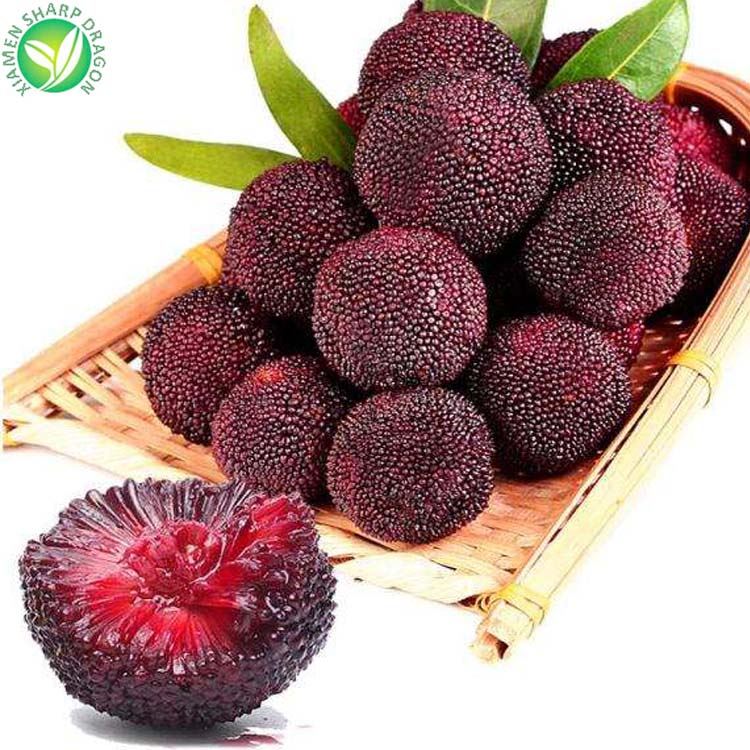
Chinese bayberry grows on a subtropical evergreen tree cultivated especially in southern China. The round fruit normally has a deep red, purple-red, pink or lighter appearance depending on cultivar and maturity. Its edible surface surrounds a central stone, and its flavor reflects the balance between sugars, organic acids and phenolic compounds.

The fruit is highly perishable. Its delicate surface, high moisture and rapid postharvest changes make temperature control and prompt handling important. This short fresh-market window is one reason Chinese bayberry is also processed into frozen fruit, juice, purée, concentrate, jam, sauce, dried products and fermented beverages.
Nutritional Composition of Chinese Bayberry
Chinese bayberry composition is not represented accurately by one universal set of figures. Studies of different cultivars report broad ranges for soluble solids, sugar, acidity, vitamin C, anthocyanins and other phenolics. A supplier specification or laboratory report for the actual lot is therefore more useful for product development than an unsupported claim that every bayberry contains a fixed percentage of sugar or ten times more minerals than other fruit.
| Component | Role in the fruit | Responsible interpretation |
|---|---|---|
| Natural sugars | Contribute sweetness, energy and soluble-solids measurements | Levels vary by cultivar and maturity; the fruit does not block conversion of sugar to body fat |
| Citric and other organic acids | Create tartness and influence flavor balance, pH and processing behavior | A sour taste may stimulate salivation but does not prove a treatment for poor digestion |
| Vitamin C | Supports collagen synthesis, antioxidant activity, immune function and plant-iron absorption | Content is variable and does not establish cancer prevention or infection treatment |
| Fiber and pectin-related material | Contribute structure and can support total dietary fiber intake | Whole fruit is not a cure for constipation, diarrhea or intestinal infection |
| Anthocyanins, flavonols and phenolic acids | Contribute color, astringency and antioxidant activity in chemical tests | Laboratory antioxidant activity is not proof of disease prevention in people |
Sugar and acid vary with cultivar
Research across Chinese bayberry cultivars shows substantial differences in sugar composition, organic-acid concentration and the sugar-to-acid ratio. Sucrose is often reported as a major soluble sugar, while citric acid is commonly a major organic acid. These measurements help predict whether a lot will taste sweet, sharp or balanced.
Vitamin C is useful but not constant
Chinese bayberry can contribute vitamin C, but published values span a wide range. Variety, maturity and analytical method matter, and vitamin C can also change during storage and processing. Nutrition labels or marketing claims should be based on appropriate data for the product rather than a figure copied from another cultivar.
Mineral comparisons require evidence
The fruit contains mineral elements, but there is no reliable basis for saying its calcium, phosphorus and iron are universally more than ten times higher than those in other fruits. "Other fruits" is not a defined comparison group, and composition changes across varieties and datasets.
Realistic Health Benefits of Eating Chinese Bayberry
It adds fruit variety
The clearest benefit is straightforward: Chinese bayberry is another fruit that can contribute water, carbohydrate, fiber and micronutrients to a varied diet. Eating different fruits makes it easier to obtain a wider range of nutrients and sensory experiences than relying on one "functional" fruit.
Vitamin C supports normal body functions
Vitamin C is required for collagen formation and participates in antioxidant and immune functions. It also supports absorption of iron from plant foods. These are established nutrient roles, but they should not be rewritten as promises that Chinese bayberry strengthens capillaries, lowers blood lipids or stops cancer cells from forming.
Fiber can contribute to regular digestion
Fiber from fruit can contribute to total daily fiber intake. Together with adequate fluid, a fiber-containing diet can support normal bowel function. Chinese bayberry alone does not correct every cause of constipation or indigestion, and large portions of an acidic fruit may be uncomfortable for some people.
Its sweet-tart flavor can make fruit appealing
Organic acids produce a refreshing tart taste and may stimulate saliva or make a meal feel more appetizing. That sensory effect is different from increasing stomach acid in a medically beneficial way. People with reflux, mouth irritation or sensitivity to acidic foods may prefer a smaller serving or a less acidic preparation.
Anthocyanins and Other Polyphenols: Promising but Not Proven Treatments
Red and dark-colored Chinese bayberries contain anthocyanins, while the fruit also contains flavonols, phenolic acids and proanthocyanidin-related compounds. Laboratory methods can measure their antioxidant capacity, and cell or animal studies can investigate possible biological pathways.
Antioxidant capacity in a test tube does not mean the same compounds reach human tissues at the tested concentration after digestion. Bioavailability, metabolism, dose and food matrix all affect the result. Cultivar studies and simulated-digestion experiments are valuable for research and product comparison, but they do not establish a clinical treatment.
What human research exists?
One small randomized crossover trial studied 44 young adults with features of fatty liver disease who consumed 500 mL of Chinese bayberry juice per day for four weeks. Some inflammatory, oxidative and apoptosis-related biomarkers changed, but there were no significant effects on anthropometric measures or insulin-resistance assessment. This single short trial in a specific group cannot support broad claims that ordinary bayberry fruit treats liver disease, causes weight loss or improves metabolic health.
Does Chinese Bayberry Help with Weight Loss?
Chinese bayberry does not prevent sugar from being converted into body fat. Whole fruit can fit a weight-management diet when the portion matches overall energy needs or when it replaces a more calorie-dense dessert. Dried bayberry, candied fruit, sweetened juice, syrup-packed products and alcoholic beverages may have very different calorie and sugar profiles.
Some anti-obesity research has used concentrated proanthocyanidin extracts from Chinese bayberry leaves in rats. Leaf extract, an animal model and whole edible fruit are not interchangeable. Human weight-management advice should not be based on that evidence.
Can Chinese Bayberry Treat Diarrhea or Dysentery?
No. Chinese bayberry should not be used as a treatment for bacterial dysentery, persistent diarrhea or abdominal pain. Laboratory studies may show that concentrated extracts inhibit selected bacteria under controlled conditions, but eating the fruit does not deliver a validated antibiotic dose or prove effectiveness in an infected person.
Diarrhea can have infectious and noninfectious causes and may lead to dehydration. Blood in stool, fever, severe pain, signs of dehydration or persistent symptoms require appropriate medical attention. An acidic, fiber-containing fruit may also worsen discomfort for some people during an acute episode.
Does Chinese Bayberry Prevent Cancer?
There is no adequate human evidence that Chinese bayberry fruit, its vitamin C, its anthocyanins or compounds from its kernel prevent or treat cancer. Cell studies showing reduced growth of cancer cells are early mechanistic research, not a clinical outcome.
Fruit can be part of an overall healthy dietary pattern, but that does not justify an "anti-cancer fruit" label. People receiving cancer treatment should discuss concentrated extracts, supplements or major dietary changes with their clinical team.
Can It Prevent Heat Stroke or "Relieve Summer Heat"?
Chilled Chinese bayberry or bayberry juice can taste refreshing and contribute fluid, but it does not prevent or treat heat stroke. Heat stroke is a medical emergency involving dangerously high body temperature and possible confusion, fainting or other neurological symptoms. It requires rapid cooling and urgent medical care.
During ordinary hot weather, hydration and sensible heat precautions matter more than a specific fruit. Sweetened juice and alcoholic bayberry beverages should not be treated as replacements for appropriate hydration.
Fresh Chinese Bayberry vs Frozen Chinese Bayberry
Fresh Chinese bayberry offers its characteristic delicate texture and bright sweet-tart flavor, but it deteriorates quickly. Frozen fruit provides a longer commercial window and can reduce seasonal supply pressure. It is especially practical for beverages, smoothies, purées, sauces, fillings, frozen desserts and foodservice recipes where some softening after thawing is acceptable.
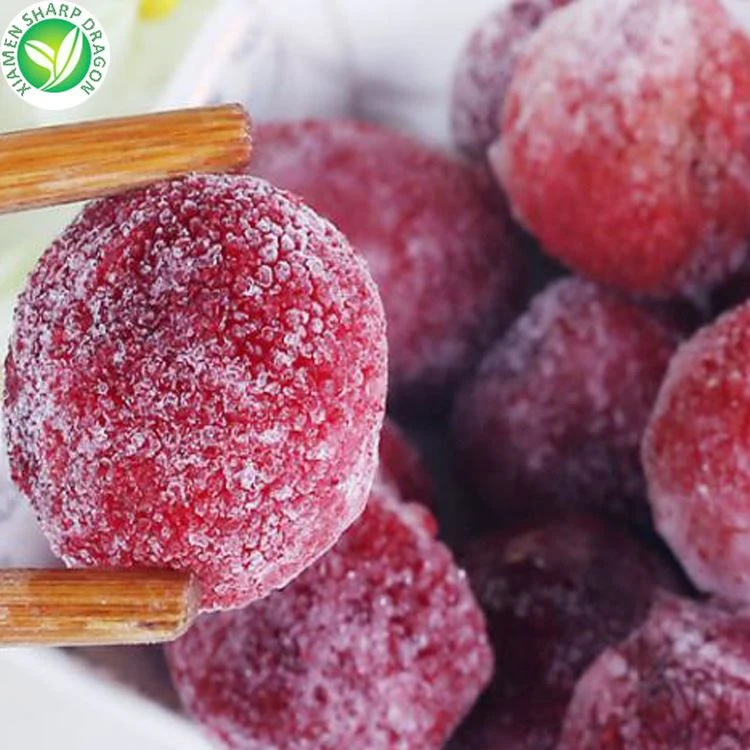
Freezing does not eliminate the fruit's nutrients, but ice crystals can disrupt its delicate tissue. Thawed fruit may be softer and release juice. Vitamin C, anthocyanins, flavor and texture can also change with pretreatment, freezing rate, storage temperature, oxygen exposure and storage duration.
For a frozen application, the important question is not whether frozen fruit is universally "better" or "worse." Buyers should determine whether the product's color, flavor, acidity, size and thawed texture suit the recipe. Our frozen fruit application solutions can help connect the raw material to the intended process.
Serving and Food-Safety Considerations
Choose a moderate portion
There is no medically established daily dose of Chinese bayberry. A moderate fruit portion can fit within total fruit intake, while people managing blood glucose should consider the portion, product format and complete meal. Juice, concentrate, dried fruit and candied bayberry can deliver sugar differently from whole fruit.
Account for acidity and tolerance
A large amount may cause mouth irritation, reflux or digestive discomfort in sensitive people. Individual tolerance matters more than claims that more fruit automatically creates a stronger benefit.
Do not swallow the central stone
Chinese bayberry contains a central stone that is not part of the normal edible portion and can present a choking risk, particularly for young children. Claims about anticancer oils or cyanamide-like compounds in kernels are not a reason to eat the stone.
Handle fresh and frozen products safely
Choose fruit without obvious rot or extensive damage. Rinse fresh fruit thoroughly under running water; FDA does not recommend washing produce with soap or detergent. Keep perishable fruit refrigerated. For frozen Chinese bayberry, maintain the specified storage temperature and follow the package or supplier instructions, including whether the product is ready to eat or intended for further processing.
What B2B Buyers Should Check
Chinese bayberry quality cannot be reduced to fruit color alone. Buyers should confirm species, cultivar if required, harvest maturity, color range, soluble solids, acidity or Brix-to-acid target, size, central-stone status, broken or crushed-fruit tolerance, foreign-material controls, sensory requirements and intended processing use.
Frozen specifications should also address individual separation or block format, thawed texture, drip loss expectations, pack size, storage, shelf-life validation, microbiological criteria, residue requirements and destination-market documentation. Buyers can review our processing and inspection equipment, certification support and frozen packaging approach during supplier qualification.
XMSD sourcing note: Share the intended product, target flavor, fruit format, pack size, destination market and quality requirements. We can discuss a frozen Chinese bayberry specification subject to the agreed buyer standard.
Frequently Asked Questions
1. What is Chinese bayberry?
Chinese bayberry is the fruit of Myrica rubra, also known as yangmei, red bayberry, waxberry or yumberry. It is a sweet-tart fruit with a textured edible surface around a central stone.
2. Is Chinese bayberry the same as blueberry?
No. They are different botanical fruits with different structures, flavors and composition. Nutrition or health research about blueberries should not be attributed to Chinese bayberry.
3. What nutrients are found in Chinese bayberry?
It contains natural sugars, organic acids, vitamin C, fiber-related material, minerals and phenolic compounds. The amounts vary widely by cultivar, maturity, storage and processing.
4. Is Chinese bayberry high in vitamin C?
Some cultivars contain notable vitamin C, but published levels cover a broad range. A product-specific analysis is needed before making a quantified nutrition claim.
5. Can you eat Chinese bayberry every day?
Most people can include a moderate portion when it fits their overall diet and causes no discomfort. Fruit variety is still preferable to relying on Chinese bayberry alone.
6. Does Chinese bayberry help digestion or appetite?
Its fiber can contribute to total fiber intake, and its tart flavor may stimulate saliva or make food appealing. It should not be described as a treatment for indigestion or loss of appetite.
7. Can Chinese bayberry stop diarrhea?
No. Extract activity in laboratory bacterial tests does not make the fruit a treatment for diarrhea or dysentery. Persistent or severe symptoms require appropriate medical advice.
8. Does Chinese bayberry prevent cancer?
There is insufficient human evidence for this claim. Laboratory research on anthocyanins or extracts does not establish that eating the whole fruit prevents or treats cancer.
9. Is Chinese bayberry good for weight loss?
Whole fruit can fit a balanced diet, but it does not block fat formation or directly cause weight loss. The portion and product format matter, especially for candied, dried, sweetened or alcoholic products.
10. Can Chinese bayberry prevent heat stroke?
No. Chilled fruit can be refreshing, but heat stroke is a medical emergency requiring rapid cooling and urgent care. No fruit should be used as its prevention or treatment.
11. Can people managing blood sugar eat Chinese bayberry?
Many people can include fruit within an individualized eating plan. They should consider portion size, total carbohydrate and whether the product is whole fruit, juice, concentrate, dried or sweetened.
12. Is frozen Chinese bayberry nutritious?
Frozen Chinese bayberry still provides fruit components, although individual nutrients, color, flavor and texture can change during processing and storage. The actual product should be judged against its specification.
13. How should frozen Chinese bayberry be thawed?
Follow the package directions. Refrigerated thawing is appropriate for many uses, while smoothies and processing recipes may use fruit from frozen. Expect some softening and juice release.
14. Is bayberry juice equivalent to whole fruit?
Not exactly. Juice is easier to consume quickly and may contain less fiber, while commercial drinks may include added sugar or other ingredients. Read the ingredient and nutrition information for the actual product.
15. What should B2B buyers confirm for frozen Chinese bayberry?
Confirm species, cultivar if required, maturity, color, flavor balance, size, stone status, defect tolerances, frozen format, thawed performance, packaging, storage and destination-market testing and documentation.
Final Thoughts from XMSD
Chinese bayberry offers a distinctive combination of sweet-tart flavor, vitamin C, organic acids, fiber-related material and colorful polyphenols. These qualities support its use as a fruit and food ingredient without turning preliminary extract research into medical promises. We recommend evaluating the cultivar, processing format, portion and finished application separately.
References
- An Overview of the Nutritional Value, Health Properties, and Future Challenges of Chinese Bayberry.
- Phytochemical Characterization of Chinese Bayberry of 17 Cultivars and Their Antioxidant Properties.
- Evaluation of Chinese Bayberry Bioactive Components Following Simulated Gastrointestinal Digestion.
- Review of Biological Activities of Chinese Bayberry Extracts and Evidence Limitations.
- Randomized Crossover Trial of Chinese Bayberry Juice in Young Adults with Features of Fatty Liver Disease.
- Animal Study of Proanthocyanidin Extract from Chinese Bayberry Leaves and Obesity-Related Measures.
- Postharvest Responses and Perishability of Chinese Bayberry Fruit.
- NIH Office of Dietary Supplements: Vitamin C Fact Sheet for Health Professionals.
- NIDDK Guidance on Dietary Fiber, Fluid and Constipation.
- U.S. FDA Guidance for Selecting, Storing and Preparing Produce Safely.
- Based on XMSD's years of frozen fruit and vegetable sourcing, IQF processing, quality control, packaging, cold-chain handling and B2B export experience.