


Should you put strawberries in the refrigerator?
Nov 05, 2019

Yes. Refrigerate fresh strawberries promptly in a clean refrigerator at 40°F (4°C) or below. Handle them gently, keep them away from raw meat and wash the amount you plan to eat under running water just before use. Refrigeration slows deterioration; it cannot restore damaged or spoiled fruit or guarantee a fixed number of good days.
Sort the pack before storing it. Discard moldy berries and those directly touching them; check the remaining fruit individually. Keep sound berries protected from crushing and wash before preparation. Frozen berries need a freezer at 0°F (−18°C) or below and the product's instructions; freeze-dried berries need their own dry, sealed packaging.

How to store fresh strawberries at home
Start by sorting the container. USDA advises discarding moldy fruit and any fruit directly touching it. Inspect the rest carefully; use only sound fruit and wash it before eating. Remove leaking or rotten berries rather than cutting mold off a soft berry. Protect sound fruit from crushing in a clean container or suitable original pack.
FDA recommends a clean refrigerator at 40°F (4°C) or below for perishable produce such as strawberries. Use an appliance thermometer, separate the fruit from raw meat, poultry and seafood, and do not place heavy foods on top. Inspect fruit again before use. Temperature and condition matter more than an exact day count.
For household quality, store sound berries unwashed and rinse the amount needed shortly before use. Gently wash under plain running water, then dry with a clean towel if needed. FDA advises against soap, detergent or commercial produce wash. If the package says the product is prewashed and ready to eat, follow the label and prevent cross-contact during handling.
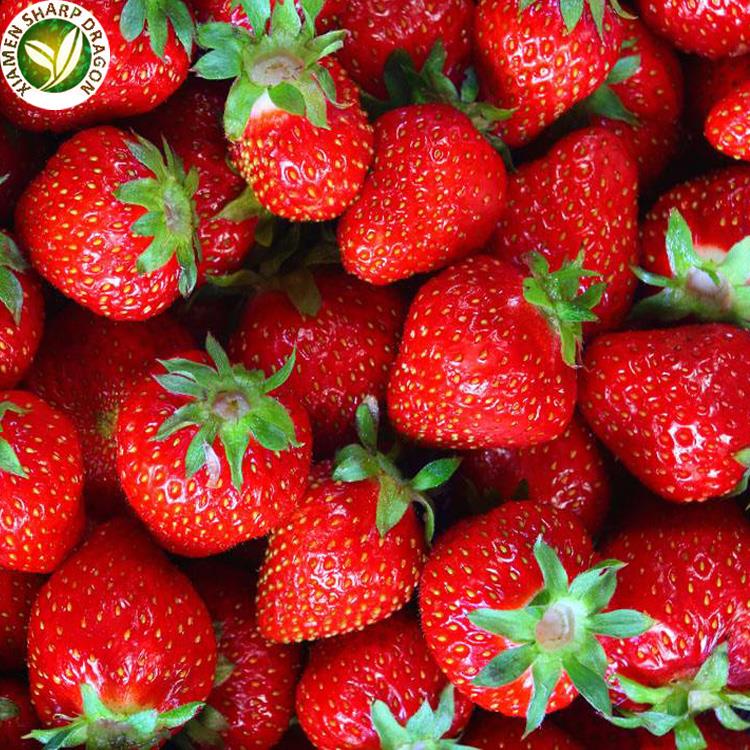
Should strawberries be washed before storing?
Extra surface moisture can make already delicate fruit deteriorate faster. Keep the pack dry for storage and wash gently under running water just before preparation, including before hulling or cutting. Washing can reduce contamination but does not remove every harmful germ, so it cannot make rotten or moldy fruit suitable to eat.
Pre-washed or ready-to-eat packaged produce should be handled according to the label. If you choose to wash it again, use clean hands, clean utensils, and a clean surface so the fruit does not become contaminated after washing. Do not use bleach, soap, or household detergent on strawberries. The aim is to reduce surface contamination without adding a chemical residue or damaging the fruit.
For a foodservice kitchen, the decision includes labour, water quality, drying space, and the time between washing and service. A wash step that leaves berries wet in a deep tub may create more quality loss than a controlled rinse-and-drain process. Write the method into the preparation procedure and keep washed and unwashed lots clearly separated.
Fresh-picked example: A family brings home several shallow punnets. It refrigerates them promptly, discards any moldy berries and those touching them, and plans to rinse a small sound portion for breakfast. If another sound ripe portion will not be used soon, the family can prepare and freeze it following the preservation instructions. Soft, sound fruit may suit a cooked sauce; moldy or rotten fruit does not become suitable by cooking.
How to freeze fresh strawberries
For a household freezer, select sound ripe berries, wash under running water and remove caps. The National Center for Home Food Preservation gives unsweetened dry-pack and other methods. For loose pieces, spread prepared berries in a single layer on a tray; once frozen, promptly transfer them to a suitable sealed freezer container and return it to the freezer. Label the contents and date.
Freezing changes texture because ice crystals disrupt fruit cells. The thawed berries may be softer and release juice, so home-frozen fruit is usually better for smoothies, sauces, jam, compote, and baking than for a firm fresh-style topping. If you want pieces that remain separate, remove as much surface water as practical before freezing and avoid overfilling the pack.
FoodSafety.gov recommends setting a freezer at 0°F (−18°C) or below and checking it with a thermometer. Continuous frozen storage protects safety only when the food was handled safely before freezing and remains frozen; freezing does not destroy every harmful germ. Texture and flavor can still decline. Follow the package directions and keep the pack sealed against drying and odors.
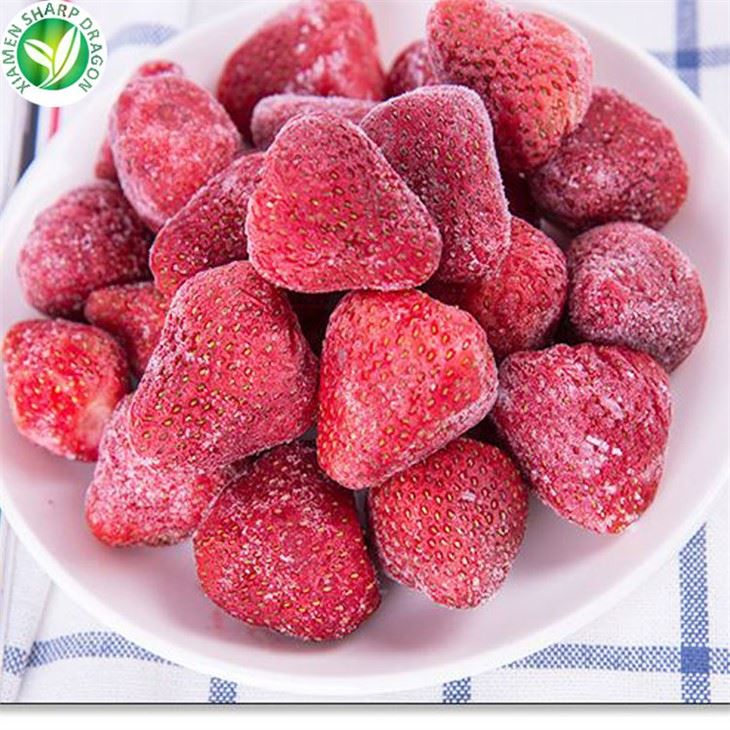
How to store commercially frozen strawberries
Receive frozen strawberries into a freezer that can hold the specified temperature. Check the case or carton for tears, leaks, heavy frost, crushed corners, broken seals, and signs of thawing. Record lot, net weight, supplier, date, temperature, and pack condition. A product that has thawed in transit should be isolated and assessed through the quality procedure rather than quietly returned to the freezer.
Keep the pack closed until the fruit is needed. Repeated opening introduces warm air and moisture, which can create clumps and surface ice. For foodservice, select a pack size that can be used within the site's thaw-and-use window. For manufacturing, define how opened material is resealed, identified, and consumed. A larger carton may reduce packaging cost but increase exposure after opening.
Frozen storage protects scheduling, but it does not remove the need for an intended-use assessment. If the berries go into a ready-to-eat smoothie with no kill step, confirm the supplier and destination requirements for frozen berries. Freezing generally does not eliminate every biological hazard. A cold chain and a food-safety system are connected but not interchangeable.

How to thaw strawberries without losing the whole batch
Choose the method by application and product directions. Where the label permits direct use, a suitable blender may take frozen fruit; a cooked compote can include released liquid. For thawed fruit, plan refrigerator space and keep it covered and separated from raw animal foods. Never use an uncontrolled warm countertop thaw as a shortcut. Follow any product instruction to cook before consumption.
Weigh the frozen pack, thawed fruit, collected drip, and drained fruit. If 10 kg frozen input produces 9.2 kg drained pieces, the application cost is based on 9.2 kg when the recipe cannot use the drip. If the drip is added to a cooked filling, record it as part of the formula. These simple measurements prevent a common error: comparing suppliers by as-packed price when the recipe uses a different basis.
Practical example: A dessert kitchen compares two product-approved preparations for strawberry pieces in yogurt cups. It weighs the same quantity in each trial, keeps the formula constant and records temperature, drain time, liquid loss and appearance at the planned service point. If one preparation loses too much liquid for the topping, the kitchen may use that sound fruit in a recipe that keeps the liquid. No trial result is assumed until the team measures it.

Can thawed strawberries be refrozen? USDA says food thawed in a refrigerator may be refrozen without cooking, provided it was handled safely; texture and flavor may suffer. That does not rescue spoiled, contaminated or temperature-abused fruit. Do not refreeze perishable food left outside refrigeration for more than two hours, or more than one hour when the surrounding temperature exceeds 90°F (32°C). When history is uncertain, do not assume the fruit is safe; use your local food-safety guidance and site procedure.
For an unused portion thawed under refrigeration, check the product label, use clean utensils, promptly repack it and return it to the freezer if it remains within the applicable handling conditions. Expect a softer result and more liquid after the next thaw. A sauce or baked filling may use that texture better than a fresh-style garnish. This is a quality choice after the safety conditions are met, not a way to repair a bad lot.
How to store freeze-dried strawberries
Freeze-dried strawberries are dry and porous, so their main storage enemy is moisture. Keep the original sealed barrier pack closed, protect it from humid air, and reseal it promptly after opening. A soft or chewy texture may indicate moisture uptake rather than a recipe problem. Avoid storing the open pack beside steam, a sink, or a warm production surface.
For cereal, chocolate, snack, and decoration applications, define the required texture at the point of use. A crisp slice in a sealed snack pack may soften in yoghurt within minutes. Use a moisture-barrier pack, a short open time, and a hold test in the finished matrix. Piece size, breakage, colour, and water activity may all matter to the specification.

Commercial storage specification and cold-chain checks
A buyer's storage specification should identify product form, pack format, storage temperature, maximum open-pack period, thaw method, use-by or best-quality basis, lot traceability, and response to temperature abuse. For fresh fruit, add maturity, firmness, surface damage, ventilation, and time to cooling. For frozen fruit, add frost, clumping, broken packaging, and rework rules. For freeze-dried fruit, add barrier performance and open-pack humidity exposure.
Packaging protects the selected fruit only when it fits the actual handling route. The frozen strawberry range can help identify whole and cut forms for a product-specific discussion. Compare sealed pack, portion size and handling instructions against the kitchen or production batch before choosing the format.
Review the route between the freezer and the recipe. A whole frozen strawberry product and cut fruit can behave differently at dosing and thawing. Compare equivalent samples using the supplier's preparation instructions, then record the usable fruit and liquid in the actual application.
Worked example: A factory uses 120 kg of frozen strawberry dice per day. Compare a hypothetical 120 kg run delivered in twelve 10 kg bags with the same weight in twenty-four 5 kg bags. Both contain 120 kg. If the line uses 15 kg in one shift, the smaller bags allow three complete bags; the larger format requires a partial bag or a change in batch allocation. Check handling, sealed-pack storage, waste and costs before choosing; this is an illustration, not an available XMSD pack promise.

The frozen strawberry flavor guide explains why texture and flavor can change after freezing and thawing. For a repeated menu, the foodservice sourcing guide helps frame pack and portion decisions around the intended service. We would use the frozen packaging overview to compare protection and handling for the actual pack under review.
Storage mistakes that shorten strawberry quality
- Washing fresh berries and sealing them wet without a controlled drying step.
- Leaving fresh berries at room temperature while preparing other ingredients.
- Crushing the bottom layer under heavy products in the refrigerator.
- Opening a frozen carton repeatedly without resealing or recording the open time.
- Refreezing a thawed lot without a quality and food-safety assessment.
- Storing freeze-dried fruit near steam or leaving the barrier pack open.
- Using colour alone to decide whether fruit is safe, fresh, or suitable.
The most reliable improvement is a visible storage record. Write down the product form, lot, date opened, storage temperature, pack condition, thaw method, and result after use. If the fruit is redirected from a topping to a cooked sauce, record the change so the original specification and finished use remain connected.
For a home refrigerator, this record can be simple: purchase date, visible condition, and the day the berries were washed or cut. For a café, add receiving temperature, opening time, prepared weight, and disposal time. For a factory, add pallet, lot, freezer temperature, open-pack time, thaw batch, and finished-product reference. The level of detail changes, but the purpose is the same: make the storage decision visible before a quality complaint appears.
Temperature is not the only variable. Condensation can wet a fresh pack or soften a dry inclusion. Air movement can dry the surface and increase weight loss. A crushed carton can expose fruit to odour transfer or make stock rotation difficult. Repeated door opening can create temperature swings even when the freezer display appears normal. Inspect the product and the equipment together when storage performance changes.
When a product is moved between rooms, keep the transfer short and planned. Do not stage frozen fruit beside a warm mixer for longer than the process allows. Do not move freeze-dried fruit from a dry store into a humid preparation area before the operator is ready to use it. Fresh berries should not sit in a delivery box while other ingredients are checked. Small handling delays become large quality differences when repeated across a week of production.
A trial can compare two practical options without assuming the result. Kitchen A portions from a larger pack; Kitchen B opens smaller sealed packs matched to the daily recipe. Record open time, frost, clumping, weighing time and usable yield under the same storage conditions. Choose the pack that fits the measured operation and the supplier's handling directions.
For fresh shipments, the maturity and cooling route belong in the storage plan. A very ripe berry may taste excellent but needs faster use. An immature berry may remain firm but fail the flavour target. A buyer should not solve either issue by simply lowering or raising the refrigerator setting. Connect the storage range to the maturity specification, delivery time, selling window, and intended use.
A storage audit does not need complicated equipment to be useful. Start with a calibrated refrigerator or freezer thermometer, a clean scale, a receiving form, and a defined visual check. For fresh fruit, note bruising, leakage, mould, surface wetness, and firmness. For frozen fruit, note clumps, frost, damaged packaging, thaw evidence, and drained yield. For freeze-dried fruit, note crispness, softening, colour, and package seal. These observations connect the storage condition to the actual product result.
Use first-in, first-out rotation, but do not treat rotation as the only control. A newly received lot can have a shorter useful life if it arrives warm, damaged, or overripe. An older frozen lot can still be suitable when the package remains intact and the quality test passes. The responsible decision uses the product condition, storage history, intended use, and site procedure together.
If you are storing fruit for a recipe, write the recipe beside the storage plan. A smoothie may accept frozen pieces directly; a parfait may need a controlled thaw; a bakery filling may need cooking; a dry cereal inclusion may need a moisture barrier. The correct storage answer is therefore application-specific. A general number of days cannot replace the supplier guidance, the label, or the site's validated handling method.
When a problem repeats, compare one variable at a time. Move the fresh pack to a less crowded shelf, change the open-pack size for frozen fruit, or improve the barrier for freeze-dried pieces, then measure the result. Keep the approved change with the receiving and production records. That creates a storage improvement that another operator can repeat instead of relying on memory.
Questions about storing strawberries
Should I refrigerate fresh strawberries?
Yes. Strawberries are perishable produce. Keep them in a clean refrigerator at or below 40°F, protect them from damage, and use them promptly.
Can I store washed strawberries?
You can, but extra surface moisture may shorten quality. For most home use, wash under running water immediately before eating. Foodservice sites should follow their validated wash, dry, and refrigeration procedure.
How long do frozen strawberries last?
A freezer at 0°F (−18°C) or below supports safe storage of food that was safe before freezing and kept frozen, but quality still changes. Follow the product label and check pack damage or thaw history. Freezing does not reliably destroy all pathogens.
XMSD sourcing note: Share the strawberry form, storage route, pack size, intended application, destination, and document needs so the proposed product can be reviewed against the real cold-chain conditions.
References
- FDA: Selecting and serving produce safely.
- USDA FSIS: Moldy fruit and neighboring fruit.
- National Center for Home Food Preservation: Freezing strawberries.
- National Center for Home Food Preservation: Dry or tray packing.
- USDA FSIS: Refreezing refrigerated thawed food.
- FoodSafety.gov: Refrigeration and perishable-food time limits.
- UC Davis: Strawberry postharvest handling.