


Missing Nutrient Data in Fruit and Vegetable Specifications
Jul 18, 2023

A blank nutrient field in a fruit or vegetable specification means that the value is unresolved, not that the food contains none of that nutrient. Before using the sheet in a recipe calculation, identify why the field is empty. The result may not have been requested, may be absent from a reference database, or may have been lost when information was transferred between documents. Each situation needs a different response.
Keep the numerical value and its status together. A measured result, a result below a stated analytical limit, a documented estimate and a genuinely missing value should remain distinguishable.
Calculate a complete recipe total only when the required inputs have an acceptable basis; otherwise show the available contribution as a partial result and name the missing ingredient. Filling an empty cell with zero can make an incomplete calculation look finished.
For frozen produce purchasing, this is a document decision before it is a product rejection. A missing potassium figure does not make a vegetable unsuitable for a soup trial. It may, however, leave the soup's potassium calculation unfinished. Separate permission to evaluate the ingredient's application performance from permission to use its nutrition data. That distinction keeps useful development moving without allowing an unresolved number to reach a customer specification or printed pack.
Find out what the empty field represents
Start with the source document, not the spreadsheet cell copied from it. Look for a legend, footnote, analytical scope or explanation of omitted entries. A dash may mean not analyzed in one supplier's sheet and not applicable in another. An empty field created by an export may have no agreed meaning at all. Record the source's actual explanation before assigning a status in your own file.
FAO's food-composition guidance distinguishes missing data from zero, trace, imputed and calculated values. It specifically warns against replacing missing values with zero in calculations. The practical purchasing implication is to preserve that distinction when information moves from a laboratory report or reference database into an ingredient specification. A tidier table is not necessarily a more complete one.
Ask a narrow question: was this nutrient measured, estimated, intentionally omitted, or unavailable? If it was measured, request the relevant result and sample description. If it was omitted from a shortened commercial sheet, request the underlying information rather than immediately ordering another test. If there is no value, keep the gap visible while deciding how it should be resolved.
Sometimes the wrong document has been selected. A general product brochure may describe appearance and pack options without attempting to provide a full nutrient profile. A laboratory report may cover only the analytes commissioned for a particular purpose. Neither document is defective merely because it does not answer a different question. Identify the document needed for the intended use instead of interpreting every omission as supplier noncompliance.
The narrower shiitake nutrition data and specification guide explains product-form matching for that ingredient. The additional question here is completeness: even a correctly identified food can have an unresolved nutrient field. Keep both checks, because a complete profile for the wrong food and an incomplete profile for the right food create different errors.
Keep zero, analytical limits and estimates separate
A laboratory result reported with a less-than sign carries information that disappears if the symbol is deleted. The limit of quantification is the lowest amount that the method can quantify with acceptable precision and accuracy. A result below that limit is not the same statement as a nutrient that was never analyzed. Ask the laboratory to explain its notation when the report does not make the distinction clear.
USDA's Foundation Foods documentation provides an important data-transfer example. In its downloadable files and API, the component value may be stored as zero while a separate field holds the quantification limit. Copying only the numeric component field can therefore lose part of the result. This is a documented convention for that data system, not an instruction to replace every supplier's less-than result with zero.
| Recorded status | What to preserve | Next decision |
|---|---|---|
| Missing or not analyzed | The reason no value is available | Choose an evidence route; keep affected totals incomplete |
| Below an analytical limit | Qualifier, limit, method and unit | Apply a justified treatment without losing the original result |
| Estimated or calculated | Source and calculation basis | Decide whether it fits the intended use |
An estimated value can be useful when its purpose and source are explicit. It should not be relabeled as a measured result simply because the estimate has several decimal places. Keep a note identifying the borrowed food record or calculation, the reason it was selected and the decision for which it is accepted. That lets another reviewer replace it later without having to rediscover its origin.
For imported supplier data, agree how each status will appear in the working file. The words can be simple: measured, below limit, estimated, or missing. Retain the original report notation alongside them. A consistent internal status helps prevent a dash from becoming zero during sorting, copying or conversion into a purchasing system.
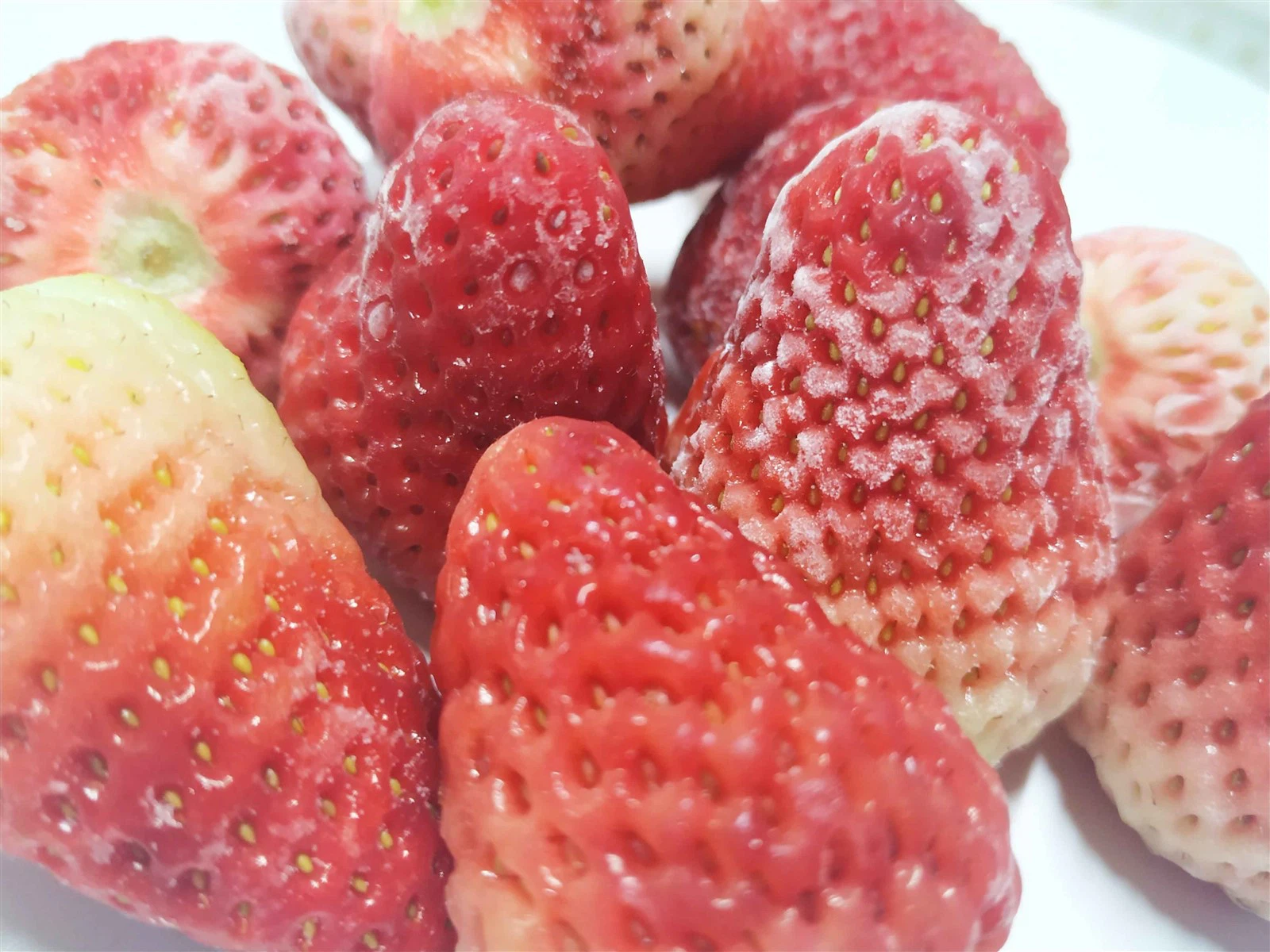
Read the analytical scope and reporting convention to interpret a blank or a less-than symbol. Photographs have a different job: they can help identify the sample and document its visible condition, but a nutrient result comes from the report.

Show the missing ingredient beside the recipe total
A recipe calculator can return a plausible number even when one ingredient has no value for the selected nutrient. The calculation may simply add the available entries. For development work, a clearly named partial contribution can still be useful. The problem begins when that subtotal is displayed as the complete food's composition without carrying the missing-data warning forward.
Worked example: a fruit developer checks a reference-only worksheet for a 100 kg blend containing 60 kg raw edible strawberries and 40 kg raw edible mango flesh. USDA's SR Legacy records list vitamin C, total ascorbic acid, as 58.8 mg per 100 g for raw strawberries, FDC 167762, and 36.4 mg per 100 g for raw mango, FDC 169910. These are historical reference entries currently available from USDA, not new measurements or XMSD specifications.
Suppose the mango vitamin C field was accidentally left blank. The strawberry contribution is 60,000 g × 58.8 mg ÷ 100 g = 35,280 mg in the batch. Dividing by 100,000 g finished blend and multiplying by 100 gives 35.28 mg per 100 g. That number covers the strawberry contribution only. The correct action is to mark the result incomplete and trace the missing mango entry, not approve 35.28 as the blend's vitamin C value.
Restoring the stated mango reference adds 40,000 g × 36.4 mg ÷ 100 g = 14,560 mg. The combined reference estimate becomes 49,840 mg per batch, or 49.84 mg per 100 g. The recipe did not change; the data coverage did. The developer can now compare the complete reference calculation with the incomplete one and see exactly where the difference arose.
This demonstration assumes a 100 kg final weight, no discarded material and no processing or storage change. It teaches a missing-input check for those two raw food records. A heated fruit preparation, a frozen ingredient or a packaged blend needs evidence matching its actual state and process before a commercial declaration is made. The calculated decimals are working results, not approved label rounding.
When working with the frozen fruit category, carry the same completeness check into the actual ingredient file without copying the raw reference values automatically. A different food state does not invalidate the arithmetic; it changes which inputs are appropriate. Save the selected food identity and the reason for using each value beside the formula.

Assess the gap nutrient by nutrient
Completeness is specific to the nutrient being calculated. An ingredient record may be adequate for one recipe comparison and incomplete for another. A sheet containing energy, protein and fat does not establish that its potassium or vitamin C fields are available. Review the exact nutrient needed for the decision rather than giving the entire sheet a single undifferentiated complete or incomplete label.
The weight of ingredients with usable data is a useful way to locate a gap, but it is not a measure of the percentage of nutrient already accounted for. In the worked example, data initially covered 60% of the blend's ingredient mass. That did not mean that 60% of its vitamin C was known. The nutrient concentrations of the components matter as well as their weights.
Use that distinction when prioritizing follow-up. A missing value for a major ingredient deserves prompt attention, but a smaller ingredient can also matter if it is relevant to the nutrient or proposed statement. Do not waive a gap solely because the ingredient appears late in the recipe. First identify the decision that the missing value could change and the evidence available to resolve it.
A filled cell is not an acceptance decision. Its value still needs to match the ingredient and the use for which it was requested.
For plain frozen vegetable ingredients, we would check the sample preparation before treating a new number as the answer. Does it cover the supplied material, or vegetables thawed and drained under a separate procedure? A product name that remains unchanged can conceal a change in what was weighed. Resolving that point prevents an apparent data improvement from introducing a different basis into the recipe.
Fill a gap with a defensible match, not the nearest name
When direct product data are unavailable, a documented reference estimate may be a proportionate development input. FAO/INFOODS food-matching guidance describes using alternative food-composition sources or estimated values with their origin recorded. It also emphasizes food identity, processing, preparation, edible portion and added ingredients. Choose a reference because those features fit the question, not because it appears first in a search result.
USDA's Foundation Foods documentation explains that its profiles do not contain every nutrient; some have not yet been analyzed. Check the particular entry, including its food identifier, data type, exact nutrient description, unit and reporting basis.
Compare candidate records on their fit, not just their age or number of populated fields. A newer profile and an older, more complete profile may describe different materials. Record why the selected one is suitable for this calculation.
Be especially careful with a plain ingredient and a prepared product that share the same main food name. A sauced vegetable entry, a sweetened fruit preparation and a plain frozen item answer different composition questions. If the missing field belongs to the plain ingredient, borrowing the prepared-food value can introduce ingredients that are not in the specification. More information is useful only when it describes the right material.
The evidence route can also be a calculation from a known formula rather than a borrowed single-food entry. FAO's recipe guidance explains the need to account for ingredient quantities and preparation changes. Keep the formula inputs and any relevant yield or retention treatment with that estimate. Do not apply a second preparation adjustment to a value that already represents the prepared state being used.
An estimate needs a defined use limit. It may allow an early comparison to continue while product-specific information is obtained. If it supports a customer specification or declaration, the responsible technical reviewer must decide whether that basis is adequate for the actual product and destination. Put that decision in the file rather than letting an early development assumption become permanent through repeated copying.

Request the evidence that resolves the specific decision
A useful request names the ingredient code, missing nutrient, required unit, food state and intended use. It also asks how the supplied figure was obtained. That is more efficient than requesting a complete nutrition certificate without defining what the existing file lacks. The supplier can then identify an omitted result, explain a reporting convention or propose the appropriate evidence route.
Practical example: a private-label soup developer is evaluating plain frozen cauliflower. One candidate's commercial sheet leaves potassium blank and its issuer confirms that potassium was not analyzed. Another candidate provides a potassium result, but the sample was cooked and drained. The formulation uses frozen issue weights before the soup is cooked. Neither document yet provides a justified frozen-input potassium value for that calculation.
The developer keeps both ingredients eligible for the separate texture and handling trials, while holding the potassium calculation open. The next request asks for a suitable as-supplied value or a documented way to relate the available data to the intended recipe. When the gap is resolved, the technical reviewer updates that nutrient calculation against the accepted ingredient version. The action addresses the missing evidence without pretending that either candidate has no potassium or that a different sample basis is interchangeable.
This is a representative approval situation, not a completed customer project. Its outcome depends on the purpose of the data: a potassium-specific statement needs a resolved basis, while an early non-nutrition application trial can ask a different question. Record which activity is permitted and which remains on hold so that an application approval is not misread as approval of every figure in the supplier file.
In our fruit and vegetable discussions, we would attach the ingredient code and current specification revision to the request. For a mixed vegetable item, that includes the accepted component list rather than just the word mix. The failure to avoid is receiving a perfectly readable sheet for another blend sold under a similar description. Tie the response to the item being evaluated before it enters the formulation file.
For food-processing applications, agree who resolves the gap before a production-scale comparison is scheduled. The ingredient supplier may provide product information; the laboratory explains analytical notation; the formulation owner controls the recipe. Naming the unresolved task is more useful than forwarding the same unexplained blank field among all three.

Test the data transfer before accepting a revised sheet
Once a replacement value arrives, compare it with the original record at field level. Check the nutrient name, unit, denominator, product code, preparation basis and source. Then check the status: a new estimate should still be identified as an estimate, and a result below a limit should retain its qualifier. Replacing an empty cell is only one part of correcting the record.
Test how the working system handles an intentionally missing entry before relying on its totals. The expected behavior is an obvious incomplete status or a clearly labeled subtotal. If a blank silently becomes zero during import, correct the mapping or add an explicit review control. Also check that the less-than symbol, notes and source identity survive an export to the document that the next colleague actually uses.
Review dependencies rather than updating only the visible number. A revised nutrient input may affect several recipes, portions or customer sheets that use the same ingredient. Identify those outputs and regenerate the relevant calculations from the controlled source. A manual correction in one finished-food table can leave another version carrying the old partial total.
FDA's guidance on databases for nutrition labeling emphasizes that using a database does not transfer responsibility for accurate declarations away from the manufacturer. The guidance is an older methodological resource, not a current global labeling template. For a commercial declaration, have the destination-market reviewer assess the applicable requirements and the adequacy of the evidence, including any unresolved values or provisional estimates.
Keep the review proportional. A resolved unit transcription error and a new analytical result from a different sample do not require the same investigation. The first may be corrected by tracing the original report; the second requires a decision about whether the new evidence represents the ingredient. Record the reason for the change so the next review starts from facts rather than an unexplained difference between spreadsheets.

Close the gap without hiding what remains unknown
Close a missing-data request when its status and permitted use are clear, not simply when every cell contains a numeral. A field may be accepted as measured, accepted as a documented estimate for a defined use, or left unresolved with the affected calculation held open. The record should let someone outside the original discussion understand why that decision was made.
For a private-label fruit or vegetable project, make the distinction visible before artwork approval. The nutrition reviewer needs the accepted source file, not just a clean-looking table. If the project changes its intended nutrient statement, revisit the corresponding data coverage even when the recipe and pack design remain otherwise unchanged.
Set review triggers around changes that affect the input: product identity, ingredients, preparation basis, analytical scope or the source used for an estimate. A missing value filled from one reference should not be copied automatically to a newly formulated item. Carry the record forward only after checking that its reason for acceptance still applies.
The result is a more useful purchasing file. It distinguishes an information gap from an ingredient defect, directs testing and document requests toward the actual decision, and stops partial nutrition totals from becoming accidental declarations. Keep the unknown visible, resolve it with suitable evidence, and let the approved calculation show both its numbers and their basis.

Send XMSD the fruit or vegetable form, intended application and exact nutrient information your project needs. We can review the product-document request so the missing field, reporting basis and next evidence step are clearly identified.
References
- FAO: Food Composition Data, Chapter 9 - Conventions and Modes of Expression
- USDA FoodData Central: Foundation Foods Documentation - Nutrient Data and Limits of Quantification
- USDA FoodData Central: SR Legacy April 2018 dataset - raw strawberries FDC 167762 and raw mango FDC 169910
- FAO/INFOODS: Guidelines for Food Matching, Version 1.2
- FAO: Food Composition Data, Appendix 6 - Calculation of Dishes Prepared from Recipes
- FDA: Guide for Developing and Using Data Bases for Nutrition Labeling
- XMSD operational judgment on ingredient identity, sample basis and supplier-document requests. Both examples are illustrative; the raw-fruit figures are reference data, not XMSD product values or actual customer results.