


Is Pear Good for Weight Loss? A Substitution Guide
Sep 26, 2019

A pear can fit a weight-loss eating pattern, especially when a measured whole or unsweetened frozen serving replaces a more energy-dense food. Pears do not burn fat, guarantee weight reduction, flush stool for weight loss, or make the rest of the diet irrelevant. The deciding factor is the complete substitution and whether it can be sustained.
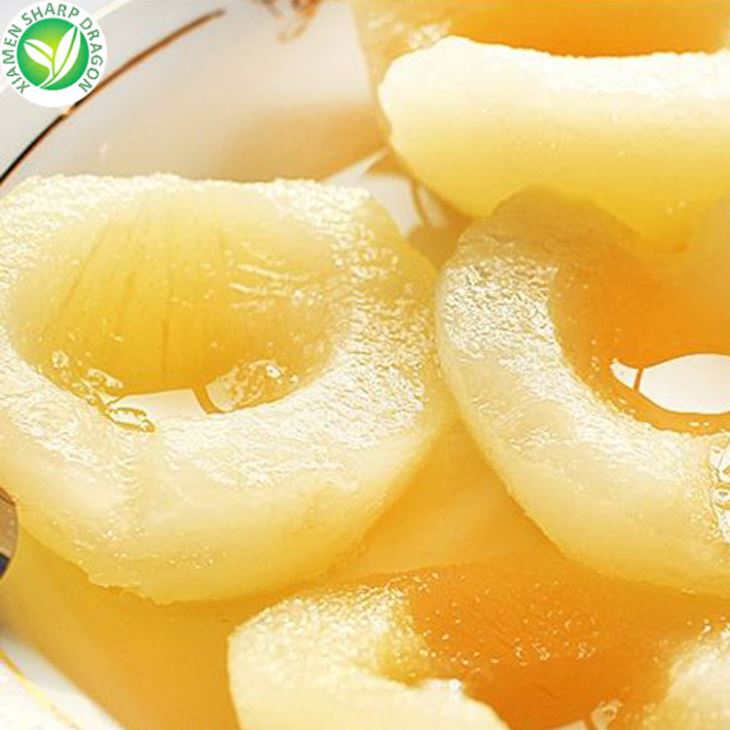
Product form changes the answer. A whole fresh pear, unsweetened IQF pear dice, pear canned in water, pear in heavy syrup, sweetened puree, juice, dried pear, and a pear pastry are not equivalent servings. Define the form, ingredients, edible or drained weight, and outgoing food before calling the pear "good for weight loss."
The short answer: Pears can support a lower-energy substitution because whole pears contain water and fiber and can replace a denser snack or dessert. They remain food, not treatment. Weigh the serving, compare the finished foods, and choose unsweetened forms when that matches your plan.

What Pears Can-and Cannot-Contribute
Whole pears combine water, carbohydrate, naturally occurring sugars, and dietary fiber in a recognizable portion. USDA SNAP-Ed lists one medium pear at 178 g with approximately 101 kcal and 6 g dietary fiber. Cultivar, size, edible portion, ripeness, and product formulation vary, so this is a reference serving rather than a value for every pear product.
That profile can be useful when pear replaces a higher-energy choice and the person enjoys it. Water and intact structure give a whole pear more volume than a small portion of dried pear with comparable fruit solids. Fiber may contribute to fullness, but appetite response differs and one nutrient does not guarantee a later reduction in intake.
A pear cannot create a calorie deficit independently. Adding it after an unchanged meal adds energy. Covering it with pastry, cream, syrup, caramel, or a thick coating changes the finished food. Calling that item "pear-based" does not preserve the nutrition profile of plain fruit.
It is also inaccurate to promise that pectin or fiber "expels stool" and therefore removes body fat. Bowel contents, body water, and fat mass are different. The pear and bowel-movement guide owns the digestive question and the warning signs that require medical review.
What the Evidence Actually Shows
Research on whole fruit supports a cautious position, not a pear cure. A systematic review of randomized trials and prospective studies concluded that whole fresh fruit is unlikely to promote excess energy intake or adiposity and may modestly constrain them. The review emphasized whole fruit and displacement of more energy-dense foods, not unlimited fruit products.
One small trial in 49 women with overweight compared adding three apples, three pears, or oat cookies with similar calories and fiber for ten weeks. The pear group had a modest average weight reduction. The study is interesting, but its size, population, intervention, and duration do not justify a promise that a pear serving will reproduce the result for everyone.
An observational analysis of U.S. survey data found that pear consumers had better diet-quality measures and lower prevalence of obesity than non-consumers. Observational association cannot show that pears caused the difference. Pear consumers may differ in many other foods, activity, income, health behavior, and measurement characteristics.
The defensible conclusion is therefore modest: plain whole pear can be one useful substitution in a complete plan. Evidence does not support claims that pear cures obesity, melts fat, detoxifies the body, or works independently of total intake and behavior.

The Worked Decision: Replace or Add?
Substitution is the most important calculation. CDC guidance on fruits and vegetables for healthy weight says that total calories still count and that replacing more energy-dense foods is the key. It recommends whole fruit over juice and cautions against added sugar or syrup in frozen and canned choices.
Worked example: Use the USDA SNAP-Ed reference of approximately 101 kcal for one 178 g medium pear. If that pear replaces a 270 kcal pastry, the direct arithmetic difference is 270 − 101 = 169 kcal less. If the pear is eaten after the pastry, the same occasion becomes approximately 270 + 101 = 371 kcal, before any beverage or topping.
The 169 kcal difference is not a promised amount of weight loss. Real outcomes reflect the rest of the day, later hunger, activity, sleep, medicines, health conditions, and adherence. The calculation simply proves whether the immediate food swap moves in the intended direction.
For a frozen pear product, use the validated energy value for that product and the serving state on the label. Do not transfer 101 kcal from a medium fresh pear to 178 g of sweetened pear dice, syrup-packed fruit, dried pear, or a multi-ingredient dessert. State whether the weight is frozen issue, thawed total, drained fruit, or final ready-to-eat serving.
Meal example: A café adds 120 g unsweetened pear dice to an unchanged bowl containing granola, sweetened yogurt, honey, and nuts, then markets the result as a lighter breakfast. The pear does not prove a lower-energy meal. The café must compare the complete original and revised recipes and identify which ingredient quantity decreased.
Compare Pear Forms on the Same Basis
| Pear form | Key check | Weight-management use |
|---|---|---|
| Whole fresh pear | Edible size and toppings | Direct snack or dessert replacement |
| Unsweetened IQF pear | Ingredients, frozen basis, drip, intended use | Weighed foodservice or formula portion |
| Canned in water or juice | Net, drained weight, liquid, label | Measured convenience option |
| Canned in syrup | Syrup strength, drained basis, added sugars | Compare complete serving; do not treat as plain pear |
| Puree, juice, dried or dessert | Concentration, full formula, serving size | Application-specific; no automatic whole-fruit equivalence |
Choose one denominator before comparing: per 100 g as sold, per serving, per 100 g drained fruit, or per finished recipe portion. Equal volume is unreliable because water content and piece packing differ. Equal net weight can also mislead when one pack includes liquid that is discarded.
For packaged products, read calories, serving size, servings per container, total sugars, added sugars, and ingredients together. "No added sugar" does not mean calorie-free; "pear flavored" does not prove a meaningful pear percentage; "made with fruit" does not describe syrup, coating, or portion.
The table is a routing tool, not a health ranking. Whole pear is often the simplest consumer reference, while IQF dice can give foodservice better dosing and availability. Canned pear can be practical when the fill medium and drained serving are controlled. Puree may be the correct industrial input even though it does not behave like intact fruit. Choose the form that executes the planned substitution.
Reject comparisons that mix bases. If one supplier quotes nutrition per 100 g frozen product and another per 100 g drained edible fruit, the figures cannot be ranked directly. Ask both to report the same state, verify the recipe use rate, and calculate the finished serving. This avoids selecting a seemingly lighter product that delivers more energy in the actual application.

Use a Four-Question Substitution Test
First, name the pear form and serving basis. "A bowl" is not enough; record grams of fresh edible fruit, frozen issue weight, drained canned fruit, or milliliters of puree. Second, name the outgoing food and its serving. If nothing leaves, classify the pear as an addition and decide whether the complete day still accommodates it.
Third, calculate the complete eating occasion. Include syrup, coating, yogurt, cereal, pastry, cream, sweetener, beverage, and every other ingredient. Fourth, test satisfaction and practicality. A lower arithmetic total that leaves the diner hungry, creates excessive waste, or fails the required texture may not be a sustainable substitution.
Decision example: You compare 160 g thawed unsweetened pear dice with a 65 g bakery bar. The label and recipe show the pear option is lower in energy, but the first trial produces too much drip for takeaway service. The team keeps the nutrition direction, changes the thaw and drain method, rechecks usable yield, and repeats the sensory test before approval.
This sequence prevents a common error: accepting a health position before proving the physical serving. Nutrition, purchasing, quality, culinary, and labeling records should all refer to the same product state and portion. If they do not, pause the claim and reconcile the measurements.
Three Practical Ways to Use Pear
Snack replacement: Portion one pear or a weighed amount of unsweetened pear pieces instead of a named snack. Record the outgoing snack and both serving values. If the pear leaves you hungry immediately, change the occasion or pair it with another suitable component within the plan rather than increasing several foods without measurement.
Dessert replacement: Serve pear with cinnamon or another low-energy flavoring instead of pastry, ice cream, or a syrup-heavy dessert. The useful comparison includes every topping. Poaching liquid, caramel, cream, nuts, and crumble can turn a fruit course into a different formula.
Recipe displacement: Replace a measured portion of a denser ingredient with pear dice in yogurt, oatmeal, salad, bakery filling, or a frozen dessert. Recalculate the full recipe after the trial. Pear introduces water, sweetness, acidity, texture, and thaw behavior, so a nutrition improvement that fails sensory or shelf-life requirements will not survive commercial service.
Do not choose a use based on a "best time" myth. Breakfast, snack, or dessert can all work when you set the amount and name the food being replaced. The most useful occasion is the one that improves the full pattern without causing avoidable hunger, gastrointestinal symptoms, or operational failure.
Peel, Texture and Appetite Are Practical Variables
Peeling changes texture, appearance, yield, and some fiber distribution. Keeping the peel can suit a whole-fruit snack; peeling may be required for a smooth puree, fine dice, baby-food specification, or certain bakery applications. Do not claim that either choice determines weight loss. Test the application and calculate the edible yield actually used.
Texture affects eating experience. A crisp ripe pear, soft canned half, thawed IQF dice, puree, and juice are consumed differently. A beverage or puree may be quicker to consume than intact pieces, while a firm whole pear requires chewing. That can influence satisfaction, but individual response varies and should be observed rather than promised.
For foodservice, define cube size, firmness after thaw, drip, browning control, skin status, seeds or core material, and holding time. A portion tool that works for dry free-flow dice may fail after thawed fruit releases liquid. Operational consistency protects the intended serving far better than a vague "healthy pear bowl" instruction.

Do Not Turn One Pear into a Daily Rule
A medium pear is a useful reference serving, not a universal prescription. The appropriate fruit amount across a day varies with age, energy needs, activity, the rest of the diet, medical conditions, and the guidance being followed. One person may use pear as one of several fruit choices; another may need a different amount or form.
Count and size are not interchangeable. Small and large pears can differ substantially in edible weight. Diced frozen fruit cannot be converted to "one pear" without a defined reference weight. A commercial recipe should specify grams, not pieces, when portion accuracy affects nutrition or cost.
The daily pear amount guide owns individualized quantity and food-group context. This page uses measured servings only to compare substitutions; it does not set a daily minimum or maximum.
Sugar Questions Need Form and Portion
Pears contain naturally occurring sugars. That does not make them forbidden in every weight plan, and it does not make unlimited portions consequence-free. The relevant comparison is total serving energy, carbohydrate, fiber, ingredients, and what the food replaces.
Added sugar belongs to the complete product review. Pears in heavy syrup, sweetened puree, fruit preparations, fillings, and coated pieces may contain sugar or concentrated juice beyond what occurs in the fruit. Check the destination-market label and actual recipe percentage.
People who count carbohydrate or use glucose-lowering medicine need an individualized plan. The pear sugar and carbohydrate guide owns that numerical comparison. Do not adjust medicine or treat low blood sugar from a general weight-management calculation.

Frozen Pear Yield: Calculate the Usable Serving
IQF pear is commonly specified by cut size and frozen weight, while the menu uses thawed fruit. Drip, broken pieces, core material, skin, and other defects can change usable yield. A lower case price can become a higher cost per usable kilogram if yield is poor.
Yield example: A controlled trial starts with 10.00 kg frozen pear dice. After the specified thaw and drain, 9.20 kg meets the usable criteria. Yield is 9.20 ÷ 10.00 × 100 = 92%. To serve 150 g usable fruit, frozen issue is approximately 150 ÷ 0.92 = 163 g. The nutrition calculation must use the approved product data and weight basis, not blindly transfer the medium-fresh-pear figure.
Record thaw time, temperature, drain method, screen size, sample size, rejected material, and weighing equipment. A 92% result is valid only for the stated trial conditions. Repeat enough lots to understand variation before turning the number into a purchasing or menu standard.
Use the frozen pear product page for category identity, then request the order-specific cut, ingredients, quality limits, pack, and intended-use evidence. A weight-positioned menu needs the usable serving, not merely the case net weight.
Build the Pear Purchase Specification
State variety or accepted pear group, origin, crop or production window, peeled or skin-on status, cut dimensions and tolerance, ingredients, anti-browning treatment, maturity, color, texture, seed and core limits, foreign material, broken pieces, clumps, and sensory criteria. "Frozen pear" alone does not support a repeatable serving.
Add frozen net weight, thaw method, drain basis, expected usable yield, portion tool, pack size, case configuration, storage temperature, shelf life, lot coding, traceability, microbiological criteria, residue requirements, allergen statement, certificates, and destination label needs. Confirm whether the item is ready to eat or intended for further treatment.
For canned pear, define cut, fruit size, fill medium, syrup strength or juice basis, net weight, drained weight, fruit-to-liquid ratio, texture, defects, container, vacuum or closure criteria, and serving state. For puree or preparation, define pear percentage, soluble solids, added sugars, particle size, acidity, heat treatment, and use rate.
Avoid "fat burning," "guaranteed weight loss," "detox," "zero impact," and laxative claims. Broad wellness labels add little purchasing evidence. Use the frozen fruit category for range context, then return to measurable pear identity, state, use rate, and acceptance limits.

Tolerance and Medical Boundaries
Some people experience bloating, gas, discomfort, or loose stool after pear, especially with a larger amount or particular digestive intolerance. Allergy is different and may cause hives, swelling, wheezing, throat symptoms, vomiting, dizziness, or collapse. Stop eating and follow medical or emergency guidance appropriate to the symptoms.
Seek qualified help for rapid or unexplained weight change, persistent gastrointestinal symptoms, signs of allergy, diabetes medicines, pregnancy, childhood growth, kidney disease, severe restriction, bingeing, purging, or distress around food. A pear substitution cannot diagnose or treat these conditions.
Bring the portion, product label, ingredients, symptom timing, medicines, activity, and representative eating record. Those inputs are more useful than a general claim that pears are "good" or "bad."
Final Answer from XMSD
Pear can be a practical weight-loss food when a measured whole or unsweetened serving replaces a more energy-dense item. It does not burn fat or guarantee a result. The worked comparison shows the key: a 101 kcal medium-pear reference replacing a 270 kcal pastry creates an immediate arithmetic difference of 169 kcal; adding both does not.
Compare fresh, frozen, canned, pureed, juiced, dried, syrup-packed, and dessert forms separately. State the actual serving basis, ingredients, toppings, and outgoing food. Observe satisfaction and adherence rather than treating fiber as a promise.
For commercial use, connect nutrition to the physical specification: variety, cut, skin, defects, ingredients, thaw and drain method, usable yield, pack, portion tool, intended use, food-safety evidence, and destination label. That makes the substitution measurable from incoming case to finished serving.
XMSD sourcing note: Share your pear form, variety, cut, ingredients, frozen and usable serving basis, thaw method, pack, application, destination, and proposed label position. We can review the specification and trial plan.
References
- USDA SNAP-Ed: Pears Nutrition Information
- U.S. Centers for Disease Control and Prevention: Fruits and Vegetables for Healthy Weight
- PubMed: Systematic Review of Whole Fresh Fruit, Energy Intake and Adiposity
- PubMed: Low-Energy-Dense Diet Adding Apples or Pears
- USDA Agricultural Research Service: Fresh Pear Consumption Observational Study
- U.S. Food and Drug Administration: Added Sugars on the Nutrition Facts Label
- XMSD operational experience in IQF pear specification, cut-size and defect review, thawed-yield trials, packaging assessment, and B2B application matching.