


Papaya in a Balanced Diet: Ripeness, Portion, and Product Form
Dec 03, 2019

Ripe papaya is a nutritious fruit that can fit an ordinary varied diet. Its orange flesh supplies water, carbohydrate, fiber, vitamin C, provitamin A carotenoids, folate and potassium while remaining relatively low in energy density when served plain. Its soft texture and mild sweetness make it easy to eat at breakfast, as a snack, or in yogurt and fruit mixtures. Those qualities support a favorable answer, but "good" still refers to the edible amount and finished food, not every papaya-flavored product.
Ripe fruit, green papaya cooked as a vegetable, juice, sweetened nectar, dried pieces and frozen dice differ in fiber structure, concentration, added ingredients and serving use. Ripeness changes texture and flavor. A generous smoothie can deliver far more fruit than a bowl of cubes, while candied papaya is mainly a sweetened product. Most healthy people can enjoy ripe papaya in a comfortable portion; allergy, latex cross-reactivity, pregnancy questions about unripe preparations, diabetes management or persistent digestive symptoms deserve individualized clinical guidance.
Short answer: plain ripe papaya is a useful fruit choice. Keep the judgment tied to ripeness, edible grams, preparation, comfort and the rest of the meal.
Why Ripe Papaya Earns a Place in a Fruit Rotation
Papaya combines substantial water with tender flesh. That makes a bowl visually generous without the energy concentration of dried fruit or confectionery. Dietary fiber contributes to normal bowel function and helps the fruit retain a different eating structure from strained juice. Vitamin C supports normal collagen formation and antioxidant protection, while carotenoids can contribute to vitamin A status. These are established nutrient roles, not promises that papaya cures digestive, skin or immune conditions.
USDA-style composition values are stated for a defined edible form and weight. Papaya varieties, maturity and lots vary, so a database number is a reasonable planning reference rather than a certificate for every shipment. The rest of the day matters more than promoting a single fruit. Rotating papaya with berries, citrus, melons, apples and other available fruit broadens sensory variety and nutrient exposure.
Papaya also has practical advantages. The ripe flesh needs little cooking, blends smoothly and pairs with acidic citrus, creamy dairy or alternatives, grains and savory seasonings. Its softness can suit people who find crisp fruit difficult to chew, although texture-modified diets require professional assessment. Frozen pieces provide portionable inventory when ripe fresh fruit is inconsistent or unavailable.

Ripeness Changes the Food Experience
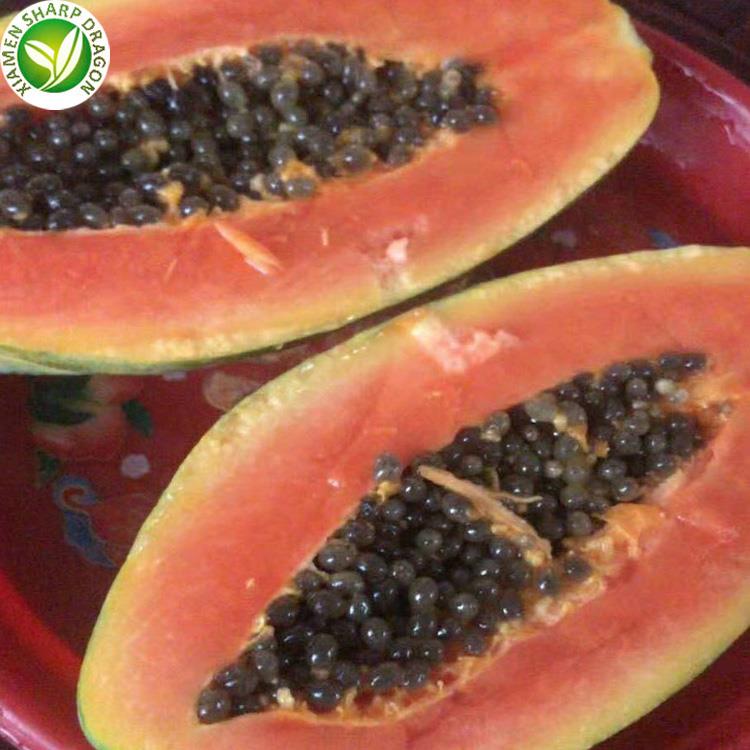
A ripe papaya normally develops yellow-to-orange skin areas, orange or red-orange flesh, a yielding texture and a sweet aroma. Cultivar and market maturity alter the exact cues. Flesh that is soft enough to spoon is suited to raw fruit service, smoothies, purée and desserts. Overripe fruit can become watery, fermented-smelling or structurally weak; softness alone does not excuse mold, leakage or objectionable odor.
Green papaya is firmer, paler and less sweet. It is used as a cooked vegetable or shredded salad ingredient in several cuisines. It should not inherit the ripe-fruit nutrition narrative word for word. Latex and proteolytic enzyme activity are greater in unripe material, while ripe fruit does not provide the same papain exposure often implied by supplement advertising. Recipes and safety guidance must identify maturity.
The black seeds are botanically normal but are usually removed for sweet fruit service because their peppery flavor and texture distract from the flesh. Skin is also normally discarded. Purchase weight therefore exceeds edible flesh weight. A menu cost or nutrition calculation based on whole-fruit kilograms needs a measured peel-and-seed yield, not an assumed 100 percent.
Ripeness rule: use fully ripe flesh for raw sweetness and soft texture; use deliberately green papaya for recipes designed around firm shreds or cooking. Do not treat accidental underripeness as a quality substitute.

Portion and Meal Role Matter More Than a Fruit Halo
There is no special papaya dose that guarantees better health. A practical serving is an amount that fits the person's overall fruit intake, hunger, tolerance and meal. A small bowl can accompany breakfast; a few frozen cubes can cool a snack; a larger serving may replace another fruit. Adding papaya after a full meal is different from using it instead of a more energy-dense dessert.
For blood-glucose management, count the actual carbohydrate-containing portion and consider the meal context. Whole pieces retain fiber and require chewing; juice or a large blended drink is consumed quickly and may contain several servings. Pairing fruit with unsweetened yogurt, nuts, seeds or another protein source may make the meal more complete, but it does not erase the fruit's carbohydrate. Individual targets come from the clinical plan.
Worked example: A breakfast bar portions 140 grams of papaya per bowl. A 10-kilogram bag of usable frozen dice provides a theoretical 71 bowls because 10,000 divided by 140 equals 71.4. Allowing 3 percent handling loss leaves 9,700 grams, enough for 69 complete portions. The bar records 69 as its planning yield, then pairs the fruit with plain yogurt and oats rather than adding sweetened syrup.
That arithmetic illustrates service control, not a universal nutrition prescription. A child, endurance athlete and older adult may use different portions. The useful discipline is to measure the edible form instead of calling an undefined half fruit a serving; papayas vary enormously in size.
Whole Pieces, Juice, Dried Fruit, and Sweetened Desserts Differ
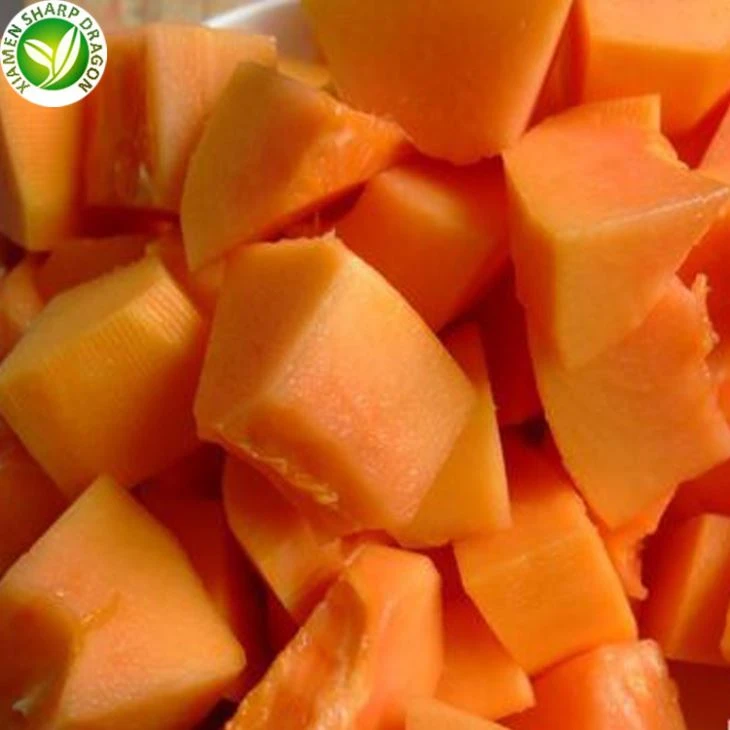
Plain fresh or frozen pieces make the fruit amount visible. Frozen papaya may soften after thawing because ice crystals disrupt tissue, yet it can work well in smoothies, purées, sauces and partially frozen bowls. Frozen papaya chunks suit applications wanting recognizable pieces, while IQF papaya dice improve measured distribution.
Juice removes or disrupts much of the whole-fruit eating structure and can make a large amount easy to consume. Nectar may include water and added sugar; the label decides. Drying concentrates fruit solids and sugars into a smaller weight and volume. Candied pieces add more sugar. These products can have culinary roles, but the favorable judgment about plain ripe papaya cannot simply be transferred to them.
A smoothie is a recipe, not a fruit category. Papaya blended with water and ice differs from one combined with juice concentrate, sweetened yogurt, syrup and multiple large fruit portions. List ingredients and calculate the total batch before assigning a health description. Flavor balance often improves with acidity and aroma rather than extra sweetener.
Practical example: In a representative café scenario, a 400-milliliter papaya drink tastes flat after frozen fruit replaces ripe fresh flesh. Adding more syrup increases sweetness but hides the fruit. The developer instead trials lime juice, reduces ice dilution and blends the papaya while still partly frozen. The revised drink restores brightness with no extra added sugar, and the recipe records fruit grams rather than an imprecise scoop count.

Digestive Claims Need a Plain-Food Boundary
Papaya's water and fiber can support normal bowel patterns as part of adequate total fluid and fiber intake. That is different from saying papaya treats constipation. Ripe papaya contains less of the proteolytic enzymes associated with unripe latex than popular explanations often suggest. A ripe serving may feel comfortable because it is soft, but comfort varies with portion and the individual gut.
Rapidly increasing fruit or fiber may cause gas or loose stools in some people. Start with a modest amount if papaya is unfamiliar, especially when the meal also contains several high-fiber ingredients. Persistent pain, bleeding, dehydration or prolonged bowel changes require medical attention. A fruit trial is not a substitute for assessment of ongoing symptoms.
Papaya and latex allergy can cross-react in susceptible people, and reactions range in severity. Stop eating the suspected product when allergy signs occur and seek urgent care for breathing difficulty, facial or throat swelling, faintness or a severe widespread reaction. Mild oral irritation also deserves review when it repeats. This precaution is specific to symptoms; it is not a reason for everyone to avoid papaya.
Frozen Papaya Is Convenient, Not Nutritionally Magical
IQF frozen papaya turns peeled, seeded fruit into a portionable ingredient and extends availability. Freezing can help preserve usable fruit, but nutrient retention varies with raw maturity, cutting, processing, storage time, temperature and thawing. It is inaccurate to say every nutrient remains unchanged. It is equally inaccurate to dismiss frozen fruit merely because texture softens.
Use from frozen when a smoothie, sauce or cooked application benefits from cold pieces and controlled water. Thaw under refrigeration when a recipe needs drained pieces. Do not leave a large quantity at room temperature to speed the process. Once thawed, treat it as perishable fruit, follow pack instructions and avoid relying on smell alone after temperature abuse.
Our papaya evaluations separate flavor from texture. We taste a controlled thawed sample for sweetness, acidity and off-notes, then run another portion through the intended blender, yogurt or bakery system. A piece that seems too soft for a fruit cup may create a smooth purée with good color. Rejecting or accepting the lot before application testing would miss that distinction.

Quality Is Visible in the Finished Use
For fresh fruit, assess maturity stage, soundness, flesh color, aroma, decay and edible yield. For frozen material, define cut dimensions, piece distribution, color range, seed and peel tolerance, free-flow condition, pack weight and storage. Frozen papaya represented as organic needs the applicable certification and traceability evidence; appearance cannot establish that status.
A product image shows form and color, not sweetness, microbiology or process control. Use a refractometer only when Brix is part of the agreed specification, and interpret it alongside acidity and sensory maturity. A high soluble-solids reading can suit a dessert purée while a firmer lower reading may suit a visible dice application. The application defines which combination is useful.
In our specification work, cut tolerance is linked to the portioning method. A broad dice range can look natural in a smoothie but produce inconsistent fruit counts in a retail cup. We approve against the actual fill: weigh the fruit, count visible pieces where appearance matters, then inspect after the declared thaw or processing step. This connects the incoming specification to the customer experience.
Practical example: In a representative yogurt-cup scenario, each 150-gram cup receives 18 grams of papaya. Large chunks create only two or three visible pieces and variable spoon coverage; small dice distribute more evenly but release color faster during chilled holding. The producer chooses a medium dice, sets a target piece distribution, and evaluates cups on day one and near the planned end of shelf life. The chosen cut balances identity, distribution and color migration.

Build a Useful Routine Around the Fruit
Breakfast is convenient rather than biologically mandatory. Papaya can accompany oats, eggs, yogurt or another protein-rich base, bringing moisture and fresh flavor. At snack time, a measured bowl makes the amount obvious. After dinner, plain chilled pieces can replace a richer dessert. The clock does not make the fruit good; the role it plays in the meal does. People troubled by reflux near bedtime may prefer an earlier or smaller serving based on their own symptom pattern.
Fruit variety deserves deliberate attention when papaya is available every day. Repeating a favorite food is not inherently harmful, yet exclusive habits can crowd out other textures and nutrient profiles. A simple rotation uses papaya on some days and citrus, berries, apples, pears or melon on others. This keeps the question grounded in the total pattern instead of asking one fruit to supply every claimed benefit.
Label reading matters for packaged forms. Look at the product name, ingredient list, serving basis, added sugars and net weight. "Papaya beverage" may contain water, sweetener and a small fruit percentage. Frozen plain pieces should have a straightforward ingredient declaration unless a formulation is intentionally seasoned or sweetened. Organic, no-added-sugar and similar statements answer separate questions; none proves ideal ripeness or good flavor.
Thaw management can preserve the intended eating quality. For a fruit bowl, spread the required portion under refrigeration and serve it while still cool, draining excess surface liquid only when the recipe calls for a clean plate. For a smoothie, direct-from-frozen pieces reduce ice demand. For bakery filling, test whether water released during heating thins the matrix. One thaw rule cannot serve all three applications.
A foodservice application needs portion, labor and holding logic as well as nutrition. A breakfast buffet may value loose-flow dice and quick replenishment. A plated dessert may favor large intact cuts. A beverage station may accept softer pieces if aroma and color remain clean. Recording the rejection reason-too watery, uneven cut, pale color, weak flavor-allows the next sample to target a genuine need.
Raw-material maturity sets the ceiling for many frozen results. Freezing preserves the state selected for processing; it does not ripen an immature piece into a sweet one. Very soft fruit may lose definition after thawing, while firmer fruit holds shape but tastes less developed. The useful specification balances color, flavor and firmness for the named application instead of requesting maximum ripeness as an abstract quality level.
Yield can also be described at two levels. Whole fresh fruit has peel and seeds, so edible yield links farm size to kitchen portions. Prepared frozen pieces have already removed those parts, but a thawed application may still lose drip or fragments. Compare cost per usable kilogram under the actual handling method. That figure gives a clearer purchasing view than unit price and prevents an inflated claim that one format always saves money.
Color needs a range, not an impossible single shade. Natural ripe fruit can move from yellow-orange to deeper salmon or red-orange according to cultivar and maturity. A mixed-color lot may be acceptable in a blended beverage but unattractive in a clear retail cup. Define which visible variation changes consumer acceptance, then review enough pieces to represent the lot rather than selecting one ideal cube for approval.
Flavor review works better with a neutral baseline. Taste plain thawed fruit first, then place it in the real recipe. Strong vanilla, citrus, dairy culture or sweetener can mask weak papaya aroma; conversely, a delicate yogurt can expose a fermented off-note. Recording both observations separates raw-material identity from interaction with the food system and gives the supplier a precise correction target.
Waste deserves the same visibility. Count damaged fresh fruit, peel, seeds, trim, thaw drip and line residue in separate buckets. Each loss has a different remedy: maturity control, cutting accuracy, pack handling or equipment recovery. Combining them into one percentage hides the source and makes a format comparison less useful. A good papaya program improves the loss that can actually be controlled.
A Good Choice Has a Clear Role
Papaya is a good fruit when ripe plain flesh fits the person's diet, tastes enjoyable and is eaten in a suitable amount. Its water, fiber, vitamin C, carotenoids and other nutrients add value without needing a cure claim. Ripeness determines whether the fruit belongs in a sweet raw use or a green cooked preparation. Product form determines how visible the portion remains.
For your next serving, identify whole pieces, smoothie, juice, dried fruit or sweetened dessert before judging the name papaya. For a commercial application, record fruit grams, cut, thaw state, Brix only where relevant, holding time and final sensory target. Goodness becomes practical when the food form, portion and intended result agree.
XMSD sourcing note: Share the papaya cut, ripeness profile, pack, application, annual volume and destination requirements so sample review can follow the same thaw and holding conditions.
References
- Royal Botanic Gardens, Kew: Carica papaya L.
- USDA Agricultural Research Service: Papaya Quality and Postharvest Information
- USDA FoodData Central: Papayas, raw
- NCBI Bookshelf: Papaya
- XMSD operational perspective on papaya cut, frozen texture, portioning, packaging, and application trials.