


Is It Safe to Eat Broccoli Every Day? A Food-Safety Routine
Oct 22, 2019

Yes, broccoli can be eaten every day by most people, but frequency alone never makes a serving safe. The practical food-safety questions are whether fresh broccoli was selected, refrigerated, washed, and separated correctly; whether a frozen product is ready-to-eat or requires cooking; whether its package directions were followed; and whether cooked broccoli was held and chilled within a controlled time and temperature.
Treat fresh and frozen broccoli as two different preparation paths. Rinse fresh broccoli under plain running water and keep it away from raw meat and contaminated utensils. For frozen broccoli, read the exact label: many products are intended to be cooked before consumption, and freezing itself is not a kill step for every microorganism. A daily routine magnifies any weak habit, such as using one cutting board for raw chicken and broccoli or adding a cook-required frozen product directly to a salad.
Digestive comfort, dietary variety, allergy, and medicine-related advice are separate decisions. They matter, but they should not replace hygiene, label, cooking, and cold-chain checks. Anyone with a prescribed diet or repeated symptoms needs individualized guidance; a food business also needs product-specific controls rather than a general statement that broccoli is healthy.
Four daily safety decisions: identify the product status, prevent cross-contamination, follow the intended preparation, and control time after cooking. Repeat those checks each time instead of relying on yesterday's safe meal.

Start with Product Status, Not the Word Broccoli
Fresh whole broccoli, fresh-cut refrigerated florets, blanched frozen broccoli, a steam-in-bag side dish, a frozen ingredient for further cooking, and a chilled prepared salad can all carry the same vegetable name. Their safety instructions are different. The first decision is therefore not "How often?" but "What exactly is this product intended to be when eaten?"
A ready-to-eat designation means the product is intended for consumption without an additional consumer kill step. A not-ready-to-eat product expects further preparation. The FDA Food Code notes that frozen vegetables often carry cooking instructions and are often intended for use only after cooking. The label and product specification carry more authority than a picture of green florets, a brief blanch before freezing, or the convenience of a resealable bag.
Read the product name, ingredient statement, preparation directions, storage instructions, lot code, and any ready-to-eat or cook-before-eating wording. If the package is damaged, the code is unreadable, or the directions are missing from a divided foodservice bag, stop and obtain the controlled information. Guessing from another brand's directions creates an avoidable gap.
For a nutrition-focused daily routine, the site has a separate review of broccoli's benefits and meal context. The food-safety sequence here begins earlier, at receipt and preparation, and continues after cooking.

Use a Repeatable Fresh-Broccoli Preparation Path
Select heads or florets without rot and avoid packages that are torn, leaking, or inadequately chilled. Refrigerate fresh-cut and packaged produce promptly. FDA guidance uses 40°F, or about 4°C, as the upper refrigerator setting for perishable fresh produce and says pre-cut or packaged produce should be refrigerated.
Begin with clean hands and a clean sink area. The FDA advises washing hands for at least 20 seconds with soap and warm water before and after preparing produce. That is different from washing the broccoli: rinse produce thoroughly under plain running water. Soap, detergent, and commercial produce wash are not recommended for fruits and vegetables.
Separate broccoli that will be eaten raw from raw meat, poultry, seafood, their juices, and utensils used for them. Wash cutting boards, knives, dishes, counters, and hands between tasks. A board that looks clean can still carry contamination in grooves. Replace worn equipment that no longer cleans effectively.
Rinsing reduces surface contamination but is not sterilization. Remove damaged or rotten areas and discard produce that looks rotten. Drying with a clean towel or paper towel can further reduce surface bacteria and makes roasting or sautéing more predictable. Prepare only the quantity the meal plan can use under its approved storage and holding practice.
Fresh-broccoli checkpoint: clean hands, sound produce, plain running water, clean tools, separation from raw animal foods, and prompt refrigeration of cut product.
The sink washes produce; soap belongs on hands, boards, utensils, and food-contact surfaces.
For Frozen Broccoli, Follow the Specific Cooking Direction
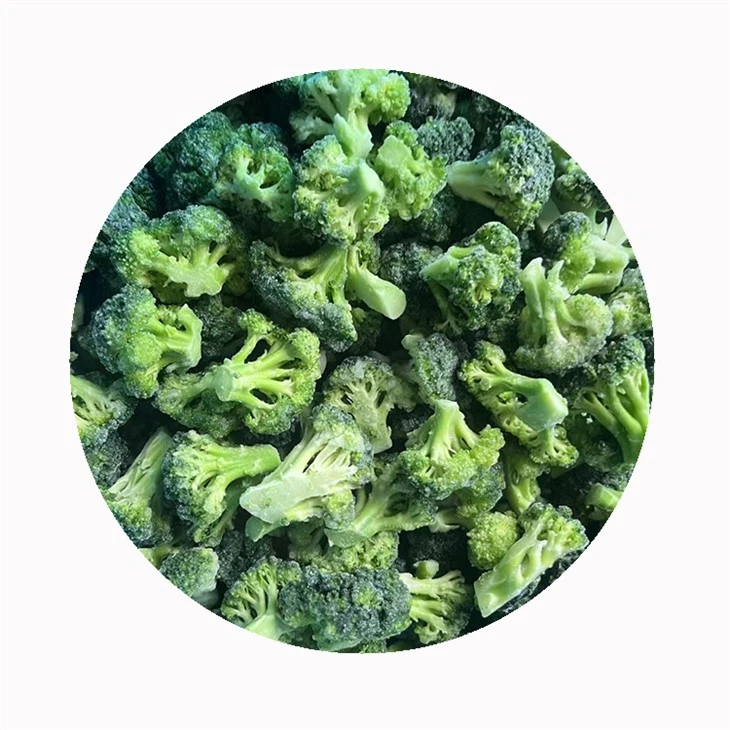
Freezing slows microbial growth, yet microorganisms present before freezing can become active again after thawing. USDA FSIS explains that freezing to 0°F inactivates microbes rather than reliably destroying them. Long freezer time and freezer burn are often quality problems; they are not a reason to treat a frozen vegetable as sterile.
A blanching step used for frozen vegetables serves process and quality purposes, including enzyme control. It should not be assumed to make every frozen broccoli product ready for uncooked use. FDA and CDC materials have specifically highlighted foodborne-illness risk when frozen vegetables intended for cooking are consumed without the intended preparation.
Follow the time, equipment, portion, power, stirring, resting, and endpoint directions printed for the product. Microwave wattage, load depth, ice distribution, floret size, and vessel shape can produce cold spots. Replacing the stated method with a brief warm-up may satisfy texture preference while missing the validated safety purpose.
The site's frozen broccoli cooking guide addresses eating quality and method choice. When safety directions appear on the pack, they take priority over an improvised recipe. A restaurant or manufacturer changing the preparation needs its own competent validation.

Keep the Frozen Chain Separate from the Cook Step
A freezer target of 0°F, or about -18°C, protects long-term frozen storage. USDA states that food kept continuously frozen at that temperature remains safe indefinitely, while recommended storage times mainly address quality. That principle assumes continuous frozen storage. A bag left warm, repeatedly thawed, contaminated after opening, or held under uncontrolled conditions needs a different assessment.
At receipt, check product temperature under the buyer's procedure, package integrity, case condition, lot code, ice buildup, signs of thawing and refreezing, and vehicle or shipment records. Surface frost alone has several possible causes and gives an incomplete safety verdict. Combine observation with temperature history and supplier documentation.
Keep opened bags protected from moisture, debris, and cross-contact. Close them using the approved method, preserve the lot code, and return them to controlled frozen storage promptly if partial use is permitted. Do not top a new bag into an unidentified older container; that destroys lot separation and complicates recall action.
A cold-chain check never replaces cooking instructions, and cooking never repairs an undocumented or abused supply chain. They are two controls with different jobs. The buyer specifies frozen transport and receipt conditions; the kitchen or line performs the intended preparation.
Design the Daily Batch Around Time After Cooking
A safe cooking step can be undone by poor handling afterward. Use clean serving utensils and protect the cooked product from raw-food contact. For refrigerated storage, FDA guidance sets the refrigerator at 40°F or below and advises refrigerating or freezing perishables, prepared foods, and leftovers within two hours.
Divide a large hot batch into smaller, shallower units when the operation's cooling procedure calls for it. Label preparation and discard information. Avoid repeated cycles in which a common container moves from cold storage to the service line and back again. Each movement adds handling and makes cumulative time harder to reconstruct.
USDA storage advice places many leftovers at three to four refrigerated days, but a commercial operation must follow its local food code and validated plan. High-risk populations, institutional settings, modified-atmosphere products, and mixed dishes may need stricter controls. Broccoli in a cheese sauce, egg bake, meat casserole, or chilled salad inherits the hazards and storage limits of the complete dish.
Daily service favors smaller, traceable batches. The objective is not to keep yesterday's broccoli until its appearance fails. It is to know when the batch was cooked, how it was held, when it was cooled, which recipe it entered, and when its approved use period ends.

Worked Example: Match Batch Size to a Two-Hour Decision
Worked example: A canteen prepares 12 kilograms of broccoli for lunch. It serves 8.4 kilograms in the first hour, leaving 3.6 kilograms. The team has no validated hot-holding or rapid-cooling route for that remainder, so the two-hour refrigeration decision becomes the limiting control. Saving an undocumented pan for the next day is not an acceptable production plan.
The next service uses actual demand: 8.4 kilograms served ÷ 12 kilograms prepared = 70% drawdown. If demand is expected to remain similar, the kitchen starts with a smaller first batch and keeps the next frozen unit sealed. A second batch is cooked only when orders justify it. This choice reduces exposed food, simplifies lot records, and protects texture at the same time.
The arithmetic sets no safety limit. The establishment's approved process, product directions, local rules, and measured time-temperature record set it. The calculation reveals that the original batch size exceeded controlled demand and identifies a corrective production decision.
For packaged servings, repeat the calculation by inner bag. Six 2-kilogram bags give the canteen the option to keep two bags sealed when only 8 kilograms are forecast. One 12-kilogram liner may create fewer packaging units but forces the whole quantity into one open-pack handling event. Compare packaging waste, labor, open-pack control, and service demand together.
Representative Scenario 1 - Approve a Household Raw-Broccoli Routine
Example: A household prepares raw broccoli for lunch every morning on the same board used for raw chicken at dinner. The broccoli is rinsed carefully, but the board has deep grooves and is only wiped between uses. The decision function is cross-contamination control: is rinsing the broccoli enough, or must the equipment path change?
The board and cleaning sequence must change. Use a clean produce board or thoroughly cleaned, sound equipment; wash the knife, counter, hands, and dishes with the correct method; then rinse the broccoli under running water. The broccoli receives no later cook step in this scenario, so separation carries special weight.
The result is an approved preparation path, not a promise that raw broccoli is suitable for every person. A pregnant person, older adult, young child, immunocompromised person, or anyone under clinical food-safety advice should follow the guidance given for that risk level.
Representative Scenario 2 - Decide RTE or NRTE Before Product Approval
Example: A meal-kit developer wants one frozen broccoli component for two uses: a cooked pasta kit and an uncooked green smoothie. The proposed bag gives stovetop and microwave cooking instructions and has no ready-to-eat statement. The decision function is intended-use approval: can the same specification support both applications?
Approve the product only for the validated cooked route unless the supplier provides a controlled ready-to-eat specification and the developer's food-safety team approves the uncooked use. A smoothie recipe leaves cook-required status unchanged. Separate product codes, labels, and storage instructions may be needed to keep the two uses from being confused.
The result is a clear application boundary: the cooked pasta line can proceed under the stated directions, while the smoothie concept remains blocked or moves to a product designed and verified for that use. This decision protects consumers and prevents sales language from outrunning the hazard analysis.
Keep Health Tolerance and Foodborne Risk in Separate Records
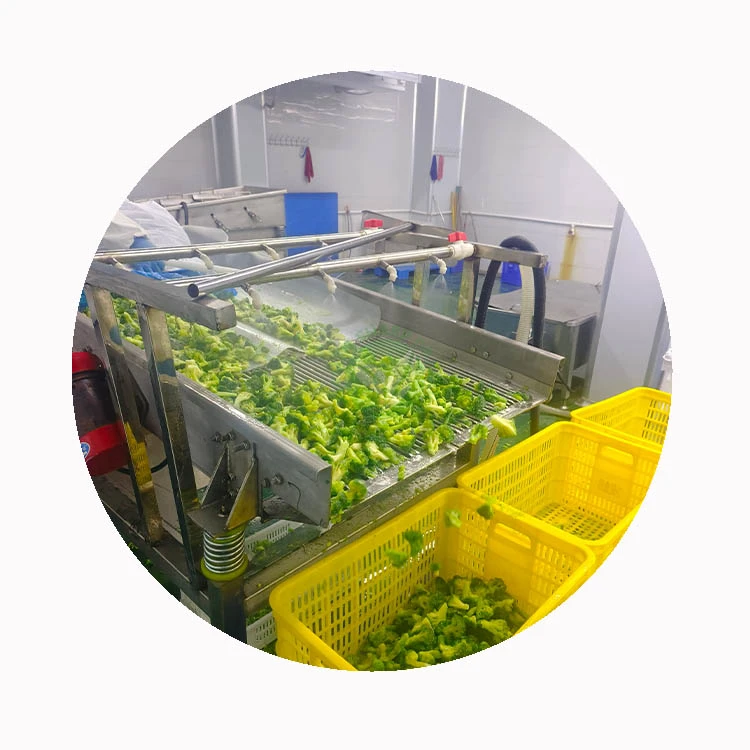
Gas after a large broccoli serving is not the same event as several people developing acute illness after sharing one lot. An individual digestive record uses serving grams, cooking method, meal companions, onset, and repeat pattern. A food-safety investigation adds product code, receipt condition, handling, cook record, holding, distribution, and the number of people affected.
Rapid hives, swelling, wheeze, breathing difficulty, or faintness requires an allergy emergency response. Warfarin treatment, a prescribed renal diet, or another clinical restriction changes the nutrition and medication decision. These issues deserve the appropriate clinician. They should not be used to explain away missing package directions, cross-contamination, or an uncontrolled cold chain.
When more than one person becomes ill, symptoms are severe, or a common product lot is suspected, preserve the package and code, stop serving the implicated stock under the operation's procedure, and contact the responsible food-safety or public-health channel. Do not taste a suspect product to decide whether it is safe.
The answer to daily use is therefore conditional but usable: keep broccoli when the dietary choice fits, and run the food-safety controls every time. Good nutrition offers no repair for a broken preparation path.
How XMSD Reviews a Daily Broccoli Program
In our frozen-broccoli discussions, we begin with intended use. We ask whether the product enters a validated cook, a chilled ready-to-eat dish, a smoothie, a retail steam bag, or a foodservice side. That answer changes the required product status, label language, pack handling, sample trial, and documentation. We do not let the broad phrase "frozen broccoli" carry those decisions.
Our receiving review looks at the lot code, case and liner condition, product temperature under the buyer's method, excess free ice, clumping, color, odor after preparation, and signs of temperature cycling. A single photograph is useful for triage, but it is strongest when paired with time-temperature records and a traceable lot. We keep safety disposition separate from appearance-grade discussion.
In application trials, we pay close attention to floret-size distribution because thick stems and small crown fragments heat and soften differently. The sample cook should use the actual equipment, load, pack state, and recipe. Texture acceptance and cooking-direction validation are recorded as distinct outcomes, even when one trial generates data for both.
A second operational lesson is to match inner pack to controlled drawdown. An oversized open liner can encourage repeated access, condensation, weak closure, and loss of lot identity. The XMSD packaging overview frames bag, liner, label, and carton variables. Review available frozen broccoli formats against the real batch plan, not only the purchase price per case.

Build the Control into the Specification
The purchasing brief should identify product status, intended use, broccoli form and cut range, ingredients, pack configuration, frozen storage, label directions, lot coding, destination, and required documents. The application brief adds equipment, batch size, heating route, service condition, cooling or discard plan, and the consumer group.
Certificates demonstrate defined systems and scopes, not the safety of an improvised consumer use. The XMSD certification page can support document review, while product status, batch records, instructions, and lot release remain product-specific.
Train from the controlled label or work instruction. Verify that staff can distinguish ready-to-eat and cook-required products, read lot codes, protect open bags, avoid raw-food contact, perform the cook, record holding, and act on a temperature deviation. Audit the behavior during a real service period rather than relying only on a signed training sheet.
Review the routine whenever the supplier, cut, pack, label, equipment, batch size, recipe, service method, or consumer group changes. A daily menu item may feel stable, but these changes can alter its safety path. Stability comes from repeating the controls, not from repeating the ingredient.
Before approval, walk one real pack through your full route. Record its code at receipt, the freezer location, bag opening, quantity issued, preparation instruction, actual equipment setting, batch start, service or cooling decision, and final disposition. Then ask a second person to reconstruct the route from the record alone. If that reviewer is unable to tell which lot was served, whether cooking directions were followed, or what happened to the remainder, the control is not yet operational. Correct the label access, form fields, ownership, or pack size and repeat the exercise. This trace exercise turns an attractive procedure into a usable daily system and exposes gaps before a complaint or recall makes the missing information urgent.
XMSD sourcing note: Send the intended use, RTE or cook-required requirement, cut range, cooking route, daily batch, inner-pack size, frozen-storage condition, destination, and document list. We can align the broccoli specification and sample review with that control path.
References
- U.S. FDA: Selecting and Serving Produce Safely
- U.S. FDA: 2022 Food Code, including RTE and NRTE frozen-food discussion
- USDA FSIS: Freezing and Food Safety
- U.S. FDA: Ready-to-Eat Foods and Time-Temperature Guidance
- FoodSafety.gov: Cold Food Storage Chart
- U.S. CDC: 2016 Outbreak Summary, including frozen vegetables and Listeria
- XMSD operational experience in frozen broccoli intended-use review, receiving, cut assessment, packaging, application trials, and lot traceability.