


Is Eating Pumpkin Good for You? Add It to Familiar Meals
Jan 09, 2020

Yes, eating pumpkin can be good for you as part of a varied diet. Plain pumpkin contributes an orange vegetable, some fiber and micronutrients, and a mild flavor that works in everyday food. It is neither a complete meal on its own nor a treatment for illness. The useful next step is to find a way of eating it that fits your appetite, preferences and normal routine.
You do not have to start with pumpkin pie, a large bowl of plain mash or a complicated seasonal recipe. A few tender pieces alongside a familiar savory dish, or some plain cooked pumpkin blended into a sauce you already like, may be a more comfortable introduction. The other foods in the meal still matter: keep a suitable protein food, other vegetables and the rest of your usual balanced plate in view.
Flavor and texture are central to that choice. Someone who dislikes soft chunks may enjoy a smooth sauce. Someone who finds pumpkin too sweet may prefer it with herbs and a little acidity. Begin with one change you can judge, then repeat the version you actually want to eat.

What makes pumpkin a useful everyday food
The USDA's canned-pumpkin information identifies it as a vegetable food and lists nutrients including vitamin A, vitamin C, fiber and potassium. Exact amounts depend on the food form and serving. You can recognize that contribution without turning one vegetable into a cure or requiring it to provide every nutrient the meal needs.
A broader healthy eating pattern is more important than one favored ingredient. Current CDC guidance emphasizes nutrient-dense foods, variety and choices that fit personal preferences and budget. Pumpkin can be one of those choices. If adding it expands the range of vegetables you enjoy, that is a practical advantage even when no one at the table wants to discuss a nutrition chart.
A vegetable habit also needs to survive an ordinary evening. The ingredients must be available, the preparation manageable, and the result appealing enough to repeat. Buying a large pumpkin for an elaborate recipe is less useful if most of it goes unused. A smaller culinary pumpkin, a suitable prepared form or a manageable frozen pack can be the better starting point.
The pumpkin ingredient and finished-dish guide helps compare plain pumpkin with richer prepared foods. For a first cooking attempt, begin with a familiar meal and a flavor combination you already enjoy.

Start with a meal you already know how to cook
Choose a familiar base before choosing a pumpkin recipe. A household that regularly makes tomato-based pasta sauce has a different starting point from one that cooks rice and a savory stew. Familiarity gives you a reference: you know how thick the sauce usually is, how much seasoning the meal needs, and what texture the people eating it expect.
Keep most of that meal unchanged on the first attempt. If you introduce pumpkin, an unfamiliar spice blend, a different grain and a new protein food together, a disappointing result becomes hard to interpret. A single adjustment makes feedback useful. Was the pumpkin too sweet, too soft, too noticeable, or simply unfamiliar?
Start with a small prepared quantity that you can mix into a test portion, rather than committing the entire meal immediately. This is a kitchen tasting method, not a recommended daily dose. A spoonful in a sample of sauce may help you find the flavor you want, but a spoonful should also be described honestly as a small addition, not as a complete vegetable portion.
Tell people what you have added. A familiar dish can make a new ingredient approachable without concealing it. Knowing that the orange color comes from pumpkin lets someone connect the flavor with the food and express a useful preference. It also keeps ingredient information clear for anyone who needs to avoid a particular food.
Choose pieces, a mash or a smooth blend
Visible pieces suit a meal where the vegetable is meant to be distinct. They can sit beside a main dish or be folded into a rice bowl after cooking. For a first tasting, this has a useful advantage: the diner can try pumpkin on its own and then with the rest of the plate, rather than encountering an unexpected texture throughout every bite.
A rough mash offers a different experience. It keeps some texture while forming a soft accompaniment. A smooth blend can bring body to a sauce, but it changes the sauce as well as adding pumpkin. Start with cooked flesh that suits the preparation, and assess the actual consistency before adding more liquid or more pumpkin.
We distinguish these uses when discussing a frozen pumpkin cut. The same softening that helps a smooth blend may be unwelcome in a dish that needs visible pieces. For a plated side, look for the level of tenderness the diner expects; for a blended component, the important question is whether the flesh becomes smooth in the equipment available.
Skin and stringy pieces also affect acceptance. If a dish is intended to be smooth, remove unsuitable skin and seed-cavity material during preparation. A thin rind that works in one roasted vegetable dish can feel out of place in a fine sauce. That is an eating-quality decision, separate from whether pumpkin is generally a nutritious food.

Practical example: testing pumpkin in a familiar sauce
Representative household example: Two adults often eat tomato-and-chickpea pasta, but one dislikes soft vegetable chunks. They would like another way to use pumpkin. Instead of replacing their normal meal, they prepare plain pumpkin until suitably cooked, blend a little of it smooth, and set aside two 100-gram portions of their familiar warm tomato sauce for tasting.
They add 15 grams of cooked pumpkin to the first test portion and 30 grams to the second. Those invented amounts are taste-test inputs, not nutrition targets. The comparison asks one clear question: which sauce still has the tomato flavor and consistency they enjoy? The chickpeas, pasta and other components stay outside the test so the pumpkin change remains easy to judge.
In this illustration, the first sauce is preferred: it retains more tomato flavor and feels less thick. They choose that version for dinner. The result is an enjoyable introduction to pumpkin, with the familiar chickpea pasta otherwise unchanged.
They note the chosen food form as well as the amount. A drained homemade mash and a denser canned product may behave differently, so the next attempt begins with a small taste again if the ingredient changes. This is enough record-keeping for a household: there is no need to build a detailed nutrition calculation around an ordinary sauce experiment.

Give the natural sweetness a savory setting
Pumpkin's gentle sweetness can work with savory food instead of pushing every preparation toward dessert. Herbs, aromatics and a little acidity can change how that sweetness is perceived within the meal. The exact combination is a matter of taste: a tomato-based dish, a lightly spiced bean preparation and a herb-seasoned side offer different starting points.
Use the seasonings already associated with the familiar meal. If garlic and herbs usually belong in the sauce, retain them as you try a little pumpkin. If the household enjoys a particular curry, use a small pumpkin addition within that established flavor rather than assembling a second competing set of spices.
Acidity deserves a gradual approach. A little lemon juice or vinegar may help balance a mild, sweet component, but more is not automatically better. Taste a small amount of the finished combination first. An aggressively sour adjustment can hide the vegetable just as thoroughly as an oversized sweet topping.
Salt and rich ingredients require the same attention they would receive without pumpkin. A vegetable addition does not remove the salt already present in stock, cheese or a prepared sauce. Check those ingredients when they are relevant to your meal plan, and make the dish enjoyable with flavor choices rather than treating a health description as permission to ignore the recipe.
Baylor College of Medicine also describes savory pairings, herbs and small additions to familiar dishes. These give you several ways to use pumpkin beyond desserts.
Make room for other foods on the plate
Pumpkin can contribute the vegetable part of a meal, but it should not crowd out everything else. A soft orange component beside beans, fish, eggs, tofu or another appropriate protein food serves a different purpose from a large bowl of pumpkin eaten instead of a complete dinner. Keep the meal structure that supports your needs.
The same applies to vegetable variety. If pumpkin is the first orange vegetable someone enjoys, it can be a useful addition to a small repertoire. Keep offering the other vegetables already accepted, and try different ones over time. Replacing every vegetable with pumpkin would make the menu narrower, even if pumpkin itself is a sound choice.
A little pumpkin stirred into a sauce and a distinct vegetable side contribute different quantities. A small taste can help you learn whether a flavor works; decide separately what vegetable portion belongs in the meal.
Appetite varies from person to person and from meal to meal. Start with a comfortable amount and allow the rest of the meal to remain balanced. People following a prescribed dietary plan should use the food form and portion guidance appropriate to that plan, rather than adopting a universal pumpkin quantity from a recipe suggestion.
A first attempt that misses the mark can still be useful
If pumpkin seems watery, consider the cooking and mixing sequence before deciding that you dislike its flavor. Water carried into a sauce can change the whole dish. For a mashed component, assess the cooked flesh before combining it with the base. For visible pieces, use the preparation method intended for the supplied food and judge them at the point they will actually be eaten.
If the result seems too soft, try a different presentation next time. A soft component that is disappointing as a distinct cube may be enjoyable when deliberately mashed. Conversely, a diner who dislikes a uniform puree may prefer separate pieces alongside a familiar food. The preference concerns texture, not a failure to appreciate nutrition.
If sweetness is the problem, reduce the pumpkin proportion in the familiar base or serve it with a savory accompaniment. Avoid changing several ingredients at once. You want the second attempt to tell you whether a smaller addition or a different pairing solved the specific problem.
Timing can be the issue too. A vegetable that tastes pleasant as soon as it is cooked may become less appealing after extended holding in a sauce. We would ask when the pumpkin is added and when the meal is served before recommending another cut. Those two moments explain more about the eating experience than a general request for better quality.
Practical example: offering pumpkin in a small canteen
Illustrative foodservice example: A small workplace canteen wants to offer pumpkin with its familiar lunch menu. The kitchen has one standard cooking setup and already serves a savory main with a grain side. The cook considers two presentations: pumpkin mixed throughout the main dish, or a small separate pumpkin accompaniment that diners can select.
The deciding issue is acceptance, not a theoretical nutrient advantage. Mixing the vegetable into every serving would commit everyone to the new texture immediately. A separate accompaniment lets interested diners try it while preserving the familiar main. The kitchen therefore begins with the separate option and clearly names it on the menu.
For the introductory service, staff prepare a modest amount using the approved recipe and normal food-safety controls. They keep the seasoning recognizable and ask a brief, specific question when feedback is appropriate: would diners prefer the pumpkin as pieces or as a mash?
The cook records whether the accompaniment was selected, whether visible pieces remained on returned plates where observation is appropriate, and what diners said about texture. Those signals have different meanings. A low take-up may reflect unfamiliarity or menu placement; repeated comments about excessive softness point toward preparation. Neither result by itself proves that the ingredient is unsuitable.
The next decision follows that distinction. If the main obstacle is recognition, a clear menu description or a small tasting opportunity may help. If texture is the issue, adjust the preparation in a small trial before offering it again. The aim is a vegetable option that people choose and eat, rather than a large quantity produced merely to satisfy a promotional promise.
This is a useful question for foodservice and catering planning: how will the ingredient be presented and accepted in the actual service? A practical introduction protects the familiar meal while giving the kitchen enough feedback to decide whether pumpkin deserves a regular place.

Buy a form that removes the right preparation obstacle
For one household, the obstacle is cutting a whole pumpkin. For another, it is finding time to cook and blend it before a weekday meal. The best purchase addresses the real difficulty. A suitable culinary pumpkin gives you control over preparation; a plain prepared option may make a small trial easier. Neither choice needs to carry a claim of universal nutritional superiority.
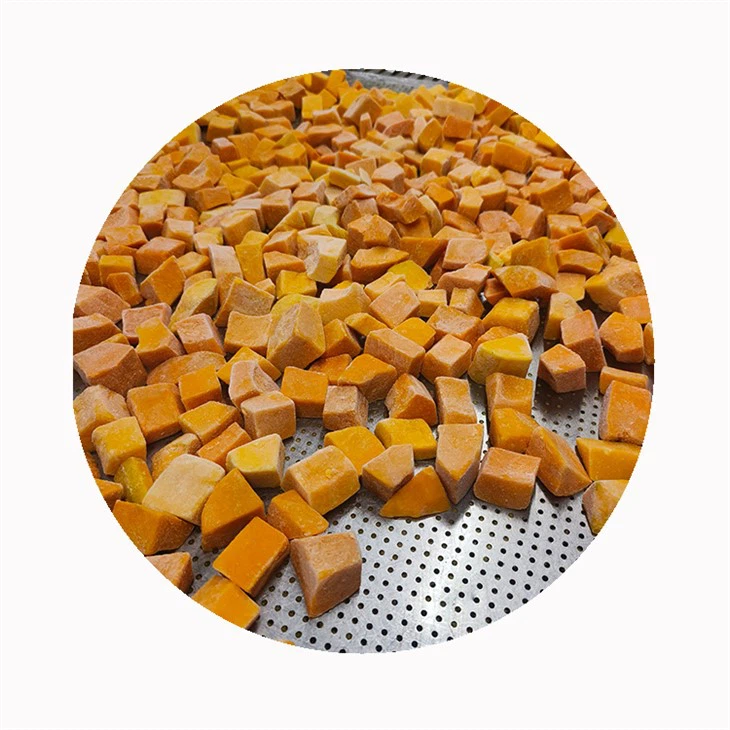
Frozen pieces can be useful when you want to cook a manageable quantity without preparing a whole fruit. Keep them as pieces for the intended dish or cook and blend them when the recipe requires a smooth component. Follow the instructions for the supplied product instead of assuming that the cooking time for fresh pumpkin applies unchanged.
Our frozen pumpkin diced range provides a starting point for discussing piece-based food applications. We would begin with the dish and the desired eating texture, then review the available cut and pack format.
We also look at how the pack will be opened during service. If a kitchen takes small amounts from a large bag repeatedly, reclosure, storage space and handling become part of the choice. Frozen-food packaging options should match that pattern of use, rather than simply maximizing the amount in one carton. A pack that fits the kitchen's actual routine makes the agreed preparation easier to repeat.
Keep the first meal safe and uncomplicated
Use pumpkin intended for food, not a carved decoration that has spent time on display. Start with sound material and clean preparation equipment. The FDA recommends washing fresh produce under running water before preparing it, including produce whose skin will be removed; use clean hands and keep produce handling separate from raw meat and its utensils.
A whole pumpkin can be awkward to cut. Use a stable surface and suitable equipment, and choose a prepared form if handling the whole fruit is difficult. Convenience can be a sensible safety choice as well as a time-saving one.
Cook the supplied food as instructed. A frozen vegetable intended for cooking should not be treated as ready to eat merely because it looks clean and evenly cut. Likewise, a soft appearance is an eating-quality observation, not a substitute for the preparation instructions.
Plan a small first attempt so you can serve it promptly and handle any remaining ingredient according to its storage instructions. For a commercial kitchen, the established procedures for storage, cooking and service continue to apply. Introducing a vegetable is a menu change, not a reason to improvise food-safety rules.
Known allergies and prescribed dietary restrictions still take priority over a general description of a nutritious food. Keep all ingredients clear, especially when pumpkin is blended into a familiar sauce. People should be able to identify what they are being offered.

Choose one change worth repeating
The practical benefit of pumpkin is strongest when it becomes a food you can use comfortably. Choose one familiar meal, one suitable form and one manageable change. Keep the other ingredients recognizable so that a successful result is easy to reproduce and a disappointing result is easy to understand.
A smooth addition, a lightly seasoned side and a few visible pieces each solve a different eating problem. Use the one that matches your preference. Start small for learning, then decide what place pumpkin should have in the meal rather than letting a reputation for health dictate the amount.
Pumpkin can be good for you without becoming compulsory. Enjoy it for its flavor and useful food contribution, keep variety on the menu, and make the next meal a little easier to cook well.
For a frozen pumpkin menu project, describe the dish, preferred texture, preparation equipment and pack use. Contact XMSD about a suitable pumpkin format so the product discussion can begin with the food you intend to serve.