


How to Tell If Figs Are Bad?
Sep 04, 2025

How to Tell If Figs Are Bad? A Professional Guide from Sensory Checks to Storage
Figs are cherished for their unique sweetness and tender texture, but they are also one of the most delicate fruits with a very short shelf life. Knowing how to tell if figs are bad is not just about protecting the eating experience-it is the first line of defense for food safety. Relying only on a vague "it looks bad" impression is not enough. A professional evaluation requires a systematic sensory inspection process.
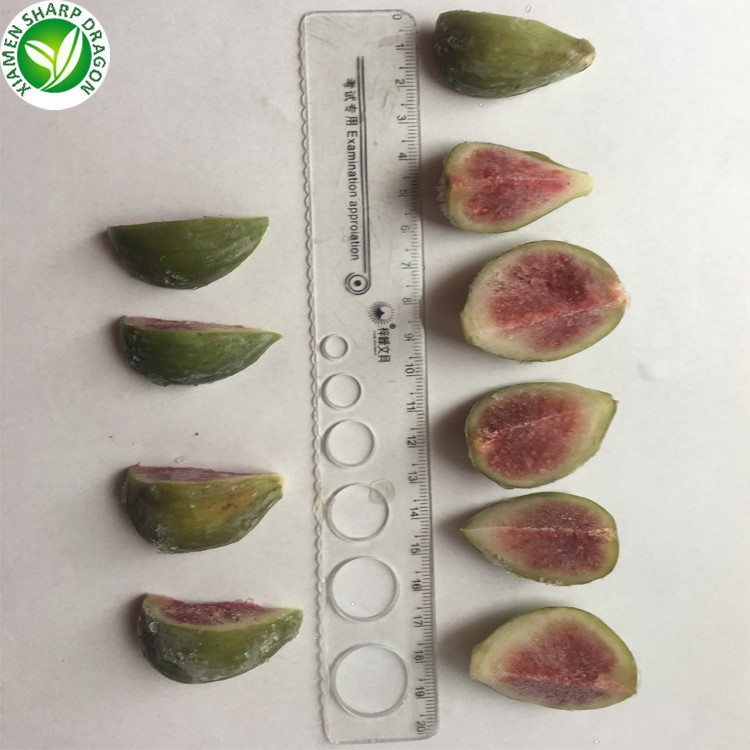
What Do Fresh Figs Look Like? The Benchmark of Quality
Before identifying spoilage, you need a clear standard of what a fresh fig should look, feel, and smell like.
Appearance: The skin of a ripe fig is plump, smooth, and vibrant in color-whether purple, green, or yellow-depending on the variety.
Texture: A high-quality fig feels soft yet slightly springy when gently pressed, not rock-hard or mushy.
Aroma: Fresh figs emit a subtle, honey-like fragrance that signals natural sweetness.
Signs That Your Figs Have Gone Bad: A Step-by-Step Inspection
When figs begin to spoil, they send out clear warning signs through sight, touch, and smell.
1. Visual Inspection
The skin is the first place where problems show up.
Mold Growth: Any white, green, or black fuzzy mold indicates microbial contamination. Discard immediately.
Skin Damage and Rot: Look for tears, dark bruises, or translucent patches. Cloudy or fermented liquid seeping from the stem is a strong sign of rot.
Loss of Luster: Spoiled figs look dull, shriveled, or overly dry.
2. Tactile Assessment
Press the fig lightly with your fingertips.
Fresh figs should be soft but not collapsing.
If the flesh feels watery, slimy, or mushy like a paste, internal breakdown has already started-even if no mold is visible.
3. Olfactory Analysis
Smell is the most reliable last check.
Fresh figs smell sweet and pleasant.
Spoiled figs smell sour, alcoholic, or foul-indicating fermentation and active microbial growth.
Important Warning on Tasting: Never taste a fig you suspect is spoiled. If you can already taste a rotten flavor, you have likely ingested bacteria or toxins that could cause stomach upset or food poisoning. Sensory inspection should eliminate risk before anything reaches your mouth.
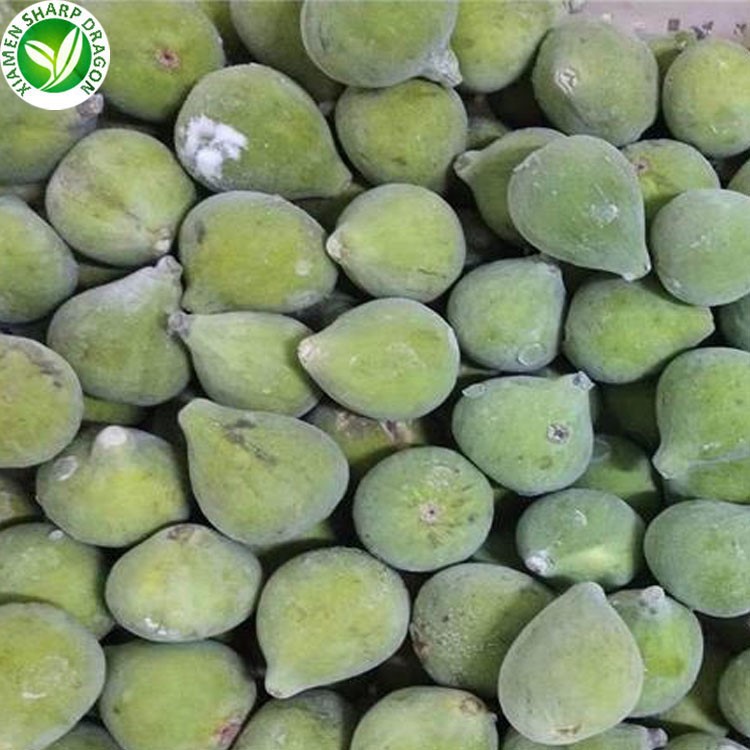
How to Prevent Figs from Going Bad: Smart Storage and Handling
Recognizing spoilage is essential, but prevention is even better. Because figs have thin skin and high sugar content, they spoil faster than most fruits.
Refrigeration: Fresh figs should be placed in the refrigerator immediately after purchase. Store them in a breathable container and consume within 1–2 days.
Avoid Room Temperature Storage: Figs left at room temperature deteriorate rapidly.
From Fresh to Frozen: Supply Chain Insights for Businesses
For retailers, importers, and food manufacturers, the short shelf life of fresh figs creates serious challenges. This is where frozen figs offer a reliable alternative.
Using advanced IQF (Individually Quick Frozen) technology, figs can be frozen at peak ripeness, locking in nutrients and flavor. This not only dramatically extends shelf life but also ensures consistent year-round supply. By sourcing from a trusted frozen figs supplier, businesses can:
Reduce product loss caused by spoilage.
Guarantee food safety and compliance with international standards.
Secure stable supply even during off-seasons.

Final Thoughts
Learning how to tell if figs are bad requires a combination of visual, tactile, and olfactory checks. With the right knowledge, you can protect both taste and safety. For consumers, this means enjoying figs at their best. For global buyers and distributors, investing in frozen figs ensures quality, reduces risk, and enables stable supply chains.
Whether you're a home cook, a foodservice buyer, or a retail distributor, figs can be enjoyed safely and conveniently when paired with the right storage methods and reliable suppliers.