


How to Eat Frozen Broccoli: Cooking and Serving Guide
Oct 06, 2021

Frozen broccoli is usually best cooked before it is eaten, and in most everyday dishes it can go straight from the freezer into the microwave, steamer, oven, pan, soup, or pasta pot. Start with the package: if it says "ready to cook," "cook thoroughly," or gives a validated cooking method, follow those directions. Blanching before freezing is a short processing step, not proof that the broccoli is ready to eat without further cooking.
Choose the method by the result you want. Microwave or steam for a tender, moist side; roast for drier edges and more browning; sauté for a quick stir-fry texture; or add the florets directly to soups, pasta, casseroles, and ready meals. To avoid soggy broccoli, do not leave it thawing in pooled water, do not crowd the pan, and stop cooking when the thickest stems are hot and tender enough for the intended dish.
The short answer: Check the label, cook from frozen unless the recipe needs a drained product, match the method to the texture you want, and control released water rather than simply adding more cooking time.

Check the Package Before Choosing a Method
The first decision is not oven versus microwave. It is whether the product is ready to eat or not ready to eat. The U.S. FDA explains that partial cooking during production does not necessarily eliminate harmful microorganisms and that freezing does not reliably kill them. A product that has been trimmed, washed, cut, and blanched can therefore still require thorough cooking.
Blanching means exposing a vegetable to boiling water or steam for a short time before cooling and freezing. It helps control enzyme activity and protect color, flavor, and texture during frozen storage. The correct term is blanched, not "bleached." It describes part of the freezing process; it does not describe the final food-safety status of every product.
For a not-ready-to-eat product, use the appliance, quantity, power level, stirring, standing time, and target temperature stated on the pack. University of Maine Cooperative Extension advises cooking not-ready-to-eat frozen vegetables to 165°F (74°C). In a microwave, stir or rearrange the florets when instructed so cold spots do not remain in the center of the dish. If a package has no usable directions, contact the manufacturer rather than assuming that a brief warm-up is enough.
Should You Thaw Frozen Broccoli First?
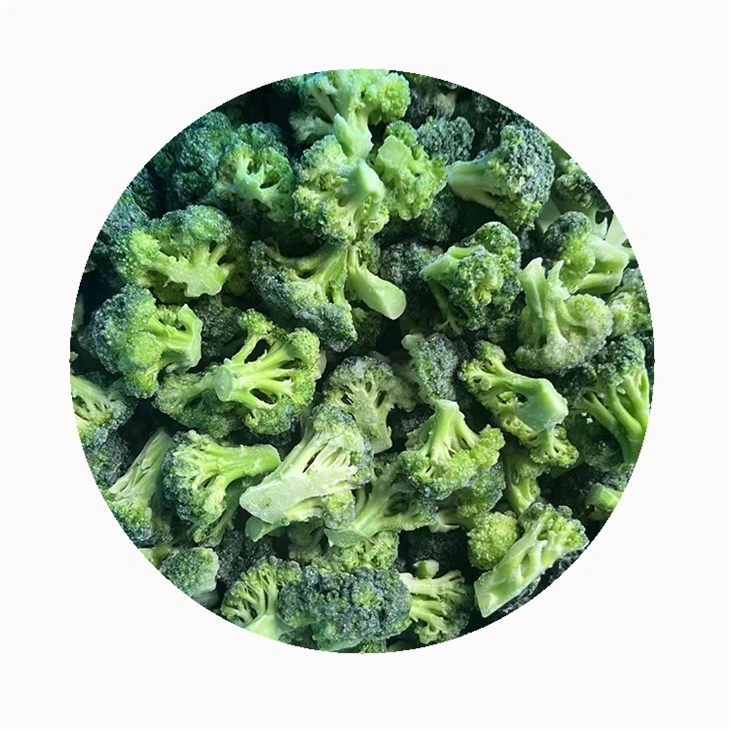
Usually, no. Cooking from frozen reduces handling and works well for steaming, microwaving, roasting, boiling, soups, and many pasta dishes. The main variable is water. Ice on the surface melts before the broccoli browns, so a crowded tray or cool pan traps steam and softens the florets. A hot cooking surface, a single layer, and enough space for vapor to escape matter more than an elaborate thawing step.
Thawing can help when the broccoli will be folded into a low-moisture dish such as a quiche, omelet, pizza topping, filled pastry, or thick casserole. In those cases, thaw only as the package permits, drain well, and press away excess surface water before mixing. Safe options include refrigerator thawing or microwave thawing followed by immediate cooking. Do not leave the bag on the counter to soften slowly.
The exception is a recipe that needs the broccoli to cook alongside another ingredient. A soup can accept the released water, while pastry cannot. A stir-fry may benefit from a brief covered heating stage followed by uncovered high heat. Make the thawing decision from the dish's moisture tolerance, not from a blanket rule that frozen vegetables must always be defrosted.

Choose a Cooking Method by the Result You Want
There is no single best method for every meal. A tender side dish, a browned tray, and a vegetable for soup need different moisture and heat management. The comparison below is a starting point; the product label remains the controlling instruction when it specifies a longer or different cook.
| Method | Expected result | Best fit |
|---|---|---|
| Microwave or steam | Tender and moist | Fast side dishes, bowls, meal prep |
| Roast | Drier surface with browned edges | Side dishes, grain bowls, warm salads |
| Sauté or stir-fry | Sauce-coated with controlled bite | Noodles, rice, mixed vegetables |
| Simmer | Soft and integrated into the dish | Soup, curry, pasta sauce |
| Bake in a prepared dish | Tender with absorbed sauce | Casseroles, gratins, ready meals |
Microwave or steam for a quick side
Place the frozen florets in a microwave-safe covered dish and add only the amount of water the package requests. Cook at the stated power, stir if directed, allow the standing time, and drain before seasoning. On the stovetop, place the florets over already-simmering water rather than letting them warm slowly with the pot. Stop when the stems meet the tenderness target; a longer hold continues to soften the crowns.
Roast when you want browned edges
Heat the oven and tray first, toss the frozen florets lightly with oil and seasoning, and spread them in one layer. Current recipe baselines from Good Food and the NSW Government use roughly 180–200°C (356–392°F) and begin checking at about 15 minutes. Floret size, surface ice, oven calibration, and tray load can change the finish time, so judge doneness by a hot center, tender stem, and the amount of browning required for the dish.
Sauté or stir-fry in two heat stages
Use a wide preheated pan and work in a batch small enough that released water can evaporate. If the centers remain frozen, cover briefly to move heat through the florets, then uncover and raise the heat to drive off moisture before adding a thick sauce. Garlic, ginger, chili, sesame, lemon, or a small amount of cheese can add flavor, but sauce should not be used to hide waterlogged texture.
Add directly to soup, pasta, or casseroles
Frozen broccoli can go straight into soup because the cooking liquid accepts the melted ice. Add it late enough to avoid losing all structure. For pasta, add small florets near the end of boiling, then drain both together; larger stems need more time. For a casserole or ready meal, account for the water released during heating and verify that the center of the complete dish reaches the label's cooking requirement.

Simple Ways to Season and Serve It
For a plain side, drain the cooked broccoli first, then add olive oil or butter, salt, pepper, and lemon. Adding fat and acid after excess water is gone helps the seasoning cling to the surface. For an East Asian-style plate, finish sautéed florets with garlic, ginger, sesame, and a measured sauce. For pasta, combine the broccoli with olive oil, grated cheese, chili, or a spoonful of the cooking water to bind the sauce.
Texture should guide the use. Intact florets suit side dishes and bowls; smaller pieces fit soups, omelets, fillings, sauces, and blended preparations. A softer batch is not automatically wasted if its flavor and safety are acceptable: it can be blended into soup, mashed into a pasta sauce, or folded into a casserole where crisp structure is not the goal.
Prepared dishes change the nutritional profile. Plain broccoli is different from broccoli covered in a large amount of cheese sauce, cream, salt, or oil. Choose the finish according to the whole meal and the intended customer, rather than assuming that every broccoli dish has the same composition.

Why Frozen Broccoli Turns Soggy
Sogginess usually comes from the interaction of prior blanching, ice, heat, and time. Frozen broccoli begins softer than a raw fresh crown because its cells have already experienced blanching and freezing. During cooking, surface ice melts and the vegetable releases more water. If that water cannot escape, the broccoli steams even when the cook intended to roast or sauté it.
Texture rule: Use high surface heat and open space for browning; use controlled steam for tenderness; use cooking liquid only when the dish is designed to absorb it.
Large florets, long stems, heavy surface frost, an overloaded pan, low oven heat, and extended hot holding can all move the result toward softness. More time is not always the fix. If the exterior is already soft while the center is cold, reduce the batch size or choose a covered-then-uncovered method that heats the center before evaporating water.
Frozen broccoli will not reproduce the exact snap of a fresh raw crown. The practical target is method-specific: tender without water pooling for a side dish, browned at the surface for roasting, evenly hot and sauce-coated for a stir-fry, or soft enough to integrate into soup. Define success before cooking rather than judging every result against fresh raw broccoli.
Does the Cooking Method Change Nutrient Retention?
Cooking changes broccoli's nutrients and plant compounds, but the direction and size of the change depend on the compound, temperature, water exposure, and cooking time. A 2022 review of home cooking found that prolonged high heat or large amounts of water can be harder on some water-soluble nutrients, while steaming or microwaving may improve retention in some situations. That is a qualified pattern, not proof that one method preserves every nutrient best.
If nutrient retention is a priority, avoid cooking far beyond the desired texture and consider methods that use little water. Soup is a useful exception because cooking liquid is eaten rather than discarded. More importantly, broccoli remains a food, not a treatment: preparation can shape taste, texture, and composition, but it does not create a guaranteed health outcome.
How Foodservice and Prepared-Food Buyers Should Cook-Test Broccoli
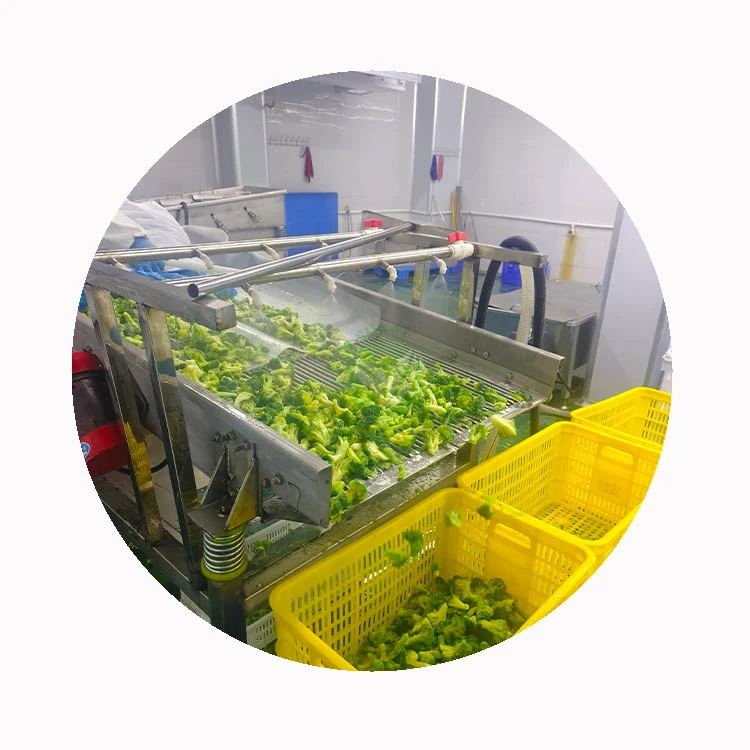
A commercial specification should predict performance in the final dish, not only describe a frozen sample. Floret size and stem-to-crown proportion affect heating rate, portion appearance, sauce coverage, breakage, and perceived tenderness. A large floret may suit a plated side but heat unevenly in a short microwave cycle; smaller pieces distribute better in soup or filling but may soften faster during hot holding.
The first useful buyer test is a controlled side-by-side cook. Use the same frozen weight, equipment, batch load, method, and endpoint for the supplier sample and the approved reference. Record time to heat, drained weight, water release, color, stem tenderness, crown integrity, broken pieces, and result after the intended hold or reheat. Large ice crystals, fused blocks, or wide cut variation are risk signals because they can make a validated process less repeatable.
The second test is application-specific. Evaluate broccoli inside the actual sauce, tray, pouch, meal kit, or steamable bag, because salt, acidity, fat, fill depth, packaging, and reheating method can change the outcome. Define acceptance in observable terms such as target cut range, cooked color, tenderness window, maximum water release, portion count, and integrity after holding. The USDA frozen broccoli standards offer a useful reference for styles and quality attributes, but a buyer still needs application-specific acceptance criteria.
At XMSD, we recommend matching the cook test to the intended channel before confirming an IQF frozen broccoli format. Retail, foodservice, and ready-meal programs may need different cuts, pack sizes, instructions, and tolerance for surface ice. Buyers can also review our frozen packaging options and discuss the required certification and document scope for the selected product, facility, and destination.

XMSD sourcing note: Share your intended cooking method, target cut, packing format, destination market, and acceptance test. We can discuss a frozen broccoli specification and sample plan for retail, foodservice, or prepared-food use.
Final Thoughts from XMSD
The most reliable way to eat frozen broccoli is to check the package, cook from frozen when the dish can handle released water, and select the method by the texture you need. Microwave or steam for tenderness, roast with space for browning, sauté in a small batch, and add directly to dishes that can absorb the moisture.
For professional use, floret size, surface ice, cut uniformity, packaging, and the final heating process all matter. A controlled cook test in the real application gives a better buying decision than frozen appearance alone.
References
- U.S. FDA: Test Your Safety Knowledge About Ready-to-Cook Foods
- University of Maine Cooperative Extension: Cooking and Handling Frozen Vegetables
- National Center for Home Food Preservation: Blanching Vegetables
- Good Food: How to Freeze and Cook Broccoli
- NSW Government: Oven-Roasted Frozen Broccoli
- Proceedings of the Nutrition Society: Cooking at Home to Retain Nutritional Quality
- USDA Agricultural Marketing Service: Frozen Broccoli Grades and Standards
- XMSD: IQF Frozen Broccoli Product and Processing Information (operational product information only)