


How Do You Know When Okra Is Bad? Fresh and Frozen Checks
Sep 20, 2019

Discard okra with visible mold, rotten or fermentation-like odor, leaking breakdown, widespread wet softness, or severe discoloration accompanied by tissue collapse. Do not taste a questionable pod to decide. For fresh okra, Purdue Extension recommends starting with pods that are brightly colored, dry and firm, refrigerating them in a loose or perforated bag, and using them within 3–4 days.[1]
Not every imperfect mark means spoilage. A dry scar, minor color variation or a little freezer frost may be a quality defect rather than evidence that the food is dangerous. The decision changes when damage is wet, spreading, moldy, foul-smelling, associated with package leakage, or connected to an unknown cold-chain deviation.
Appearance and smell cannot prove that food is pathogen-free. Fresh produce can carry harmful bacteria without obvious spoilage, so safe sourcing, clean handling, refrigeration and separation from raw meat remain necessary even when okra looks normal. FDA advises throwing away produce that looks rotten and cutting away ordinary damaged or bruised areas before preparation.[2]
The short answer: Reject mold, rotten odor, leaking tissue, widespread wet softness and major cold-chain uncertainty. Treat dry scars, slight color variation and light freezer frost as quality questions that need context. Never taste suspicious okra as a safety test.
Begin with Normal Fresh-Okra Condition
Young fresh okra is normally firm, dry and brightly colored. The pod should hold its shape when handled and should not ooze from intact tissue. Color varies by cultivar, so use the expected appearance for the purchased variety rather than insisting every safe pod must be identical green.
Fine surface hairs, ridges, seed outlines and a cut stem end are ordinary features. A dry healed mark can be cosmetic. Trim a limited damaged area only when the surrounding tissue remains firm and clean; FDA advises cutting away bruised or damaged areas and throwing away produce that looks rotten.[2]
Fresh okra naturally loses quality quickly. Purdue's 3–4-day refrigerator suggestion is a practical home benchmark, not a guarantee for every supply chain. Time at warm temperatures before purchase, pod maturity, moisture and packaging can shorten usable life. Inspect the actual product rather than relying on calendar age alone.
Rinse only when ready to use and dry the surface. Storing wet pods can accelerate surface deterioration. Keep produce separate from raw meat juices, and use clean hands, boards and utensils. A firm pod can still be cross-contaminated by poor kitchen practice.
Visible Mold Is a Reject Signal
Fuzzy, powdery or spreading colored growth is not normal okra texture. FDA food-safety education advises discarding most moldy foods and never tasting food that looks or smells strange.[3] Okra is a moist, tender vegetable, so trying to rescue a moldy bag by trimming one soft pod is not a prudent default.
If one pod in a retail bag shows visible mold, inspect the entire contents without spreading spores around the preparation area. Contact between moist pods can move deterioration beyond what is immediately obvious. When growth is extensive, multiple pods are wet or the bag has a moldy odor, discard the contents.
Do not rinse mold away and cook the pod. Washing can reduce loose dirt and some surface bacteria, but it does not restore decomposed tissue or validate safety. Cooking is not a salvage step for visibly rotten produce.
Clean any surface or container that contacted leaking or moldy material according to the kitchen sanitation procedure. Wash hands before touching other ingredients. For a commercial complaint, isolate the lot and retain photos, codes and temperature records before disposal under the documented process.

Odor and Leakage Reveal Tissue Breakdown
Fresh okra has a mild green or vegetal smell. Strong sour, rotten, putrid or fermentation-like odor is a rejection signal, especially with wet softness or a swollen, leaking package. Smell from a safe distance; do not inhale closely from a questionable container.
Clear mucilage from a freshly cut pod is normal and can thicken soups. It is different from whole pods sitting in cloudy, foul-smelling liquid as their tissue collapses. Context matters: normal cooking viscosity follows cutting and heat; spoilage leakage accompanies deteriorated raw product and off odor.
A broken frozen bag may release meltwater after temperature abuse. The leak itself signals package failure, even if odor is hard to judge while the product remains cold. Hold the lot and review exposure; do not simply move it into a new bag and erase the history.
Some spices, sauces and adjacent foods can transfer odor in a refrigerator. If the okra is already cooked in a recipe, judge the complete dish and storage history rather than expecting raw-pod odor. Prepared leftovers follow their own time-temperature rules.

Softness Can Mean Age, Damage, or Decay
Slight loss of crispness in an older refrigerated pod is a quality decline. Widespread mushiness, wet collapse, skin slippage or liquid release points toward serious deterioration. Do not turn the entire decision into a finger-pressure test; combine texture with odor, appearance, storage time and handling history.
Frozen okra softens after thawing because ice crystals damage cell structure. That expected texture change is not automatically spoilage. Evaluate odor, color, package condition and cold chain, then cook a safe sample by the intended method to judge quality. The okra freezing and blanching guide explains why processing changes texture.
Overcooked okra is also soft. If the raw or frozen ingredient was acceptable before cooking and only the finished dish collapsed, investigate cut size, batch load and time. The okra cooking-time guide separates overcooking from incoming spoilage.
A woody pod is the opposite texture problem. Overmature okra can be tough or fibrous and may remain so after cooking. It may be safe but unacceptable for the intended meal. Quality rejection and safety rejection can reach the same disposal action for different reasons; record which reason applies.

Color Change Needs Context, Not a One-Color Rule
Okra can show different natural green shades, and some cultivars are red or burgundy. A dark seed outline, dry stem end or small field scar does not equal rot. Compare the change with the product's expected variety and receiving standard.
Concerning discoloration spreads with wet softness, mold, odor or tissue collapse. Black or brown areas from bruising may be trimmable when limited and the rest remains firm, following FDA damaged-area guidance, but extensive decay warrants disposal. Do not write "any black spot means poison."
Frozen okra may become duller through blanching, long storage or temperature fluctuation. That often signals quality loss rather than a direct safety diagnosis. Use package integrity and temperature history to decide whether the lot remained controlled.
Cooking can darken okra depending on method and cookware. Judge the incoming product before cooking and keep a control sample. If every cooked batch darkens while retained frozen pieces look normal, review the recipe and equipment instead of rejecting the supplier lot.
Light Freezer Frost Is Not the Same as Rot
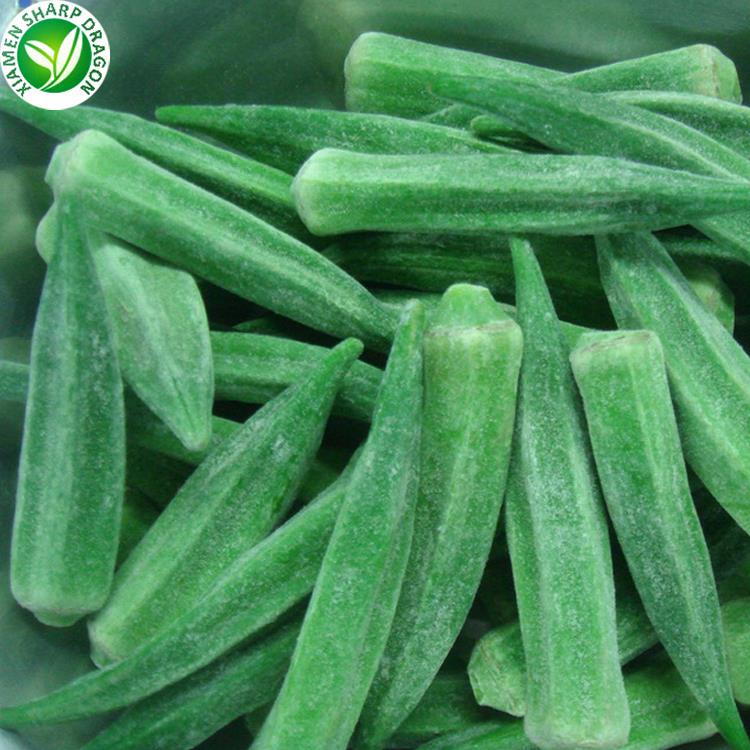
A thin frost coating can form on frozen vegetables and may be visually normal. Large ice masses, fused pieces, dehydrated white patches or excessive snow inside the bag are stronger quality warnings. They can reflect surface water, package leakage, slow freezing or temperature cycles.
Freezer burn is moisture loss from the food surface. It can make pieces dry or tough, but it is not visible proof of pathogenic contamination. You may reject it for texture and flavor. Use a cooking test only when the cold-chain and package history remain acceptable.
If the product thawed during a power loss, follow current official guidance rather than relying on frost. FoodSafety.gov says food may be refrozen if it still has ice crystals or is at 40°F (4°C) or below, though quality may suffer.[4]
Never taste frozen or thawed okra to reconstruct an unknown temperature history. In commercial receiving, place questionable cases on hold, check the temperature record and follow the deviation plan. Appearance cannot recover missing cold-chain evidence.

Pathogens May Be Invisible
Spoilage organisms and foodborne pathogens are not the same group. Rotten odor and mold help identify obvious rejection, but a normal-looking pod can still have contamination from soil, water, handling or cross-contact. FDA explains that produce may become contaminated during growing, storage or preparation.[2]
Wash whole fresh okra under running water before preparation and do not use soap or detergent. Wash hands and clean tools. Keep produce separate from raw meat, poultry and seafood and from utensils that contacted them. These controls matter even when every pod looks good.
Commercial frozen product may be labelled ready-to-cook rather than ready-to-eat. Follow the pack instruction and intended final heating. A blanching step in processing does not automatically establish a pathogen-kill claim for consumer eating.
Recall or public-health instructions override sensory checks. If a lot is subject to a recall, do not use it because it looks and smells normal. Isolate or dispose of it according to the official notice and traceability procedure.
Worked Home Example: One Bad Pod in a Bag
Worked example: A 300-gram fresh bag has twelve pods. One pod is wet, collapsed and visibly moldy; three touching pods have damp soft spots and the bag smells musty. Although eight pods look firmer, the contact, moisture and odor show bag-level deterioration. The prudent action is to discard the bag, not rinse the eight and taste one.
In a different bag, one pod has a dry 5-millimeter scar, while all pods remain dry, firm and normally scented. Trim the limited damaged area, wash the remaining sound produce under running water and cook promptly. The same word "spot" produces a different decision because moisture, spread, odor and tissue integrity differ.
The example is a decision method, not a laboratory safety test. Unknown warm exposure or a recall can change the conclusion even when the second bag appears sound. Evidence about handling outranks appearance.
Use Keep, Trim, Quality-Reject, and Safety-Hold as Different Outcomes
A keep decision suits intact product that meets the expected appearance, odor, texture, package and history. Continue with normal washing or cooking controls. Do not add unnecessary trimming simply because natural size, seed pattern or green shade varies. Over-grading wastes usable food and hides whether the written standard is realistic.
A trim decision suits limited physical damage when FDA guidance allows the damaged or bruised portion to be removed and the remaining produce is sound. The trim must remove the affected area without spreading contamination to tools or adjacent food. If the damage is deep, wet, moldy or connected to foul odor, trimming is no longer the right category.
A quality rejection applies when the product is not rotten but cannot meet the intended use: severe freezer burn, excessive clumping, widespread discoloration, fibrous overmaturity or texture outside the agreed specification. A home cook may choose another safe application; a commercial buyer applies the contract and records the specific defect rather than calling it unsafe without evidence.
A safety hold applies when the condition or history is uncertain: broken seals, unknown thaw exposure, recall, flooding, chemical contact or conflicting temperature records. Do not release the product while investigating. Sensory acceptance cannot close a documentation gap that affects safety. Follow the approved disposition process and involve the responsible food-safety authority when required.
Decision example: A frozen bag is fully sealed, contains light loose frost and stays at the receiving temperature limit. Pieces separate after gentle handling and cook normally. Record the frost as a quality observation and accept if it stays within the agreed limit. A second bag has a torn seal, liquid staining and no reliable exposure history; place it on hold even if some pieces remain green.
These categories also improve complaint analysis. If every complaint is coded "bad," you cannot see whether the repeating issue is mold, broken pieces, woody pods, ice clumps or transport temperature. A precise defect name leads to a precise corrective check: raw sorting, blanch control, drainage, freezing, packaging or cold chain.
Photograph representative defects against a scale and include the lot code, inspection state and denominator. A close-up of one dark piece without the sample size can exaggerate or minimize a problem. Pair images with weight or count data, odor notes made under a safe procedure and the temperature record.
When the decision is uncertain at home, discard the questionable food. The value of a small bag does not justify tasting spoiled material. In a business setting, uncertainty requires isolation and authorized review, not informal salvage. The same principle protects people while preserving evidence for root-cause work.
Worked Receiving Example: Turn Defects into a Lot Decision
Worked receiving example: A buyer samples five 1-kilogram bags from a frozen lot. Total sample weight is 5.0 kilograms. After controlled inspection, 180 grams are fused ice clumps, 70 grams are discolored but intact pieces, and 20 grams show unacceptable decomposed tissue after thaw review.
Ice-clump rate is 180 ÷ 5,000 × 100 = 3.6 percent. Cosmetic discoloration is 1.4 percent. Decomposed tissue is 0.4 percent. Do not combine them into one "bad okra" percentage because the severity and actions differ. Compare each category with the agreed sampling plan and defect tolerances.
If any safety-relevant deterioration breaches the hold-release rule, quarantine the lot while records and expanded sampling are reviewed. If only cosmetic rate exceeds a quality limit, the commercial decision may be regrade, claim adjustment or rejection according to contract. The numerical example shows the logic; its limits are hypothetical.

Write the B2B Acceptance Standard before Shipment
The XMSD frozen okra category includes whole, cut and sliced products. Define identity, size, cut, color range, maturity, allowed defects, foreign matter, IQF separation, surface ice, pack integrity, temperature, microbiology and intended use before sampling.
For the IQF whole and cut okra range, separate safety release from quality grading. A lot can pass microbiological criteria yet fail color or tenderness, or look attractive while missing required records. Both paths need evidence.
Use a defined sample plan, defect taxonomy and denominator. Count-based rates suit pod defects; weight-based rates suit clumps and broken pieces. Record whether inspection occurs frozen, thawed, cooked or across all three states.
Keep photos, retained samples, carton codes and cold-chain data for disputed lots. "Looks bad" is too vague for corrective action. "3.6 percent fused ice by sample weight after -18°C receiving" points to a checkable issue.

Need a clearer okra acceptance brief? Define whole or cut form, sample state, defect categories, frozen temperature, separation, pack and cooking use. We can review which sample evidence belongs in the specification before you approve a lot.
Final Thoughts from XMSD
Mold, rotten odor, leaking breakdown and widespread wet softness are clear rejection signals. Dry scars, small color differences and light freezer frost need context. Never taste suspicious okra to decide safety.
A normal look does not prove the absence of pathogens. Apply safe produce handling, cold-chain control, package instructions and recall notices. For frozen product, distinguish quality damage from temperature abuse using records.
For sensory questions that are not spoilage, the okra taste guide explains normal vegetal, bitter, woody and mucilaginous experiences. The texture-control guide handles cooking mucilage.
Write down why you rejected a bag or lot. Mold, wet decay, broken seal, excessive clumping and woody texture point to different controls. Precise records reduce waste, protect safety decisions and make the next receiving check materially better.
References
- Purdue Extension FoodLink. Okra selection and storage. Purdue Extension.
- US Food and Drug Administration. Selecting and Serving Produce Safely. FDA produce guidance.
- US Food and Drug Administration. Science and Our Food Supply: Food Safety A to Z, mold guidance. FDA education PDF.
- FoodSafety.gov. Food Safety During Power Outage. Official outage chart.