

Freeze-Dried vs Dehydrated Vegetables: Buyer Guide
Apr 15, 2020

Freeze-dried and conventionally dehydrated vegetables are both low-moisture ingredients, but they are not interchangeable. Freeze-drying freezes the prepared vegetable and removes ice mainly by sublimation under reduced pressure, followed by further removal of bound water. Conventional dehydration usually removes liquid water by heated air or another drying system. The different heat and mass-transfer histories create different structures, densities, color and flavor profiles, rehydration behavior, fragility, production costs, and packaging demands.
Neither method is automatically the right purchase. Freeze-dried pieces often suit visible inclusions, fast-rehydrating products, crisp dry applications, and high-value formulations where porous structure and appearance matter. Dehydrated vegetables often suit soups, sauces, seasoning systems, fillings, and longer-cook applications where dense packing, robust handling, and lower ingredient cost matter more. Your final product and process decide which differences create value.
The short answer: Choose freeze-dried when rapid rehydration, low density, crisp dry texture, recognizable shape, and color retention justify a more fragile and costly ingredient. Choose conventional dehydration when the application accepts a denser, more shrunken or cooked profile and rewards lower cost, smaller shipping volume, and tougher handling. Approve the choice with matched samples, a product specification, packaging trials, and your real process.
The Process Difference Drives the Product Difference
In freeze-drying, water is frozen within the prepared material. Under reduced pressure, much of that ice changes from solid to vapor without first becoming bulk liquid water. Primary drying removes ice by sublimation; secondary drying reduces remaining bound water by desorption. The process must balance product temperature, chamber pressure, heat input, piece geometry, load, and endpoint. A cycle that is too aggressive or incomplete can cause collapse, uneven dryness, scorching, structural damage, or poor storage stability.
In hot-air dehydration, heated air supplies energy and carries evaporated moisture away. Product temperature, air temperature, humidity, velocity, bed depth, cut, pretreatment, and residence time affect shrinkage, case hardening, color, flavor, and final moisture distribution. Other commercial methods-vacuum drying, microwave-vacuum drying, drum drying, spray drying, and hybrids-create different results, so "dehydrated" is a family rather than one exact process.
That distinction prevents a common purchasing error. A freeze-dried cube, an air-dried flake, and a spray-dried powder may start from the same vegetable but serve completely different formulation jobs. Ask for the process route, pretreatment, ingredients, carrier or anti-caking agent where used, piece or particle specification, and finished-product data. The label name alone cannot predict performance.

Side-by-Side Buyer Comparison
| Decision point | Freeze-dried | Conventionally dehydrated |
|---|---|---|
| Dry structure | Often porous, light, crisp, and shape-retentive | Often denser, shrunken, leathery, firm, or brittle depending on method |
| Rehydration | Porosity can support faster water uptake | Can require more time, heat, or smaller pieces |
| Flavor and color | Often closer to the prepared raw material, but volatile loss still occurs | May show cooked, toasted, concentrated, or browned notes |
| Bulk density | Often low, so a kilogram can occupy substantial volume | Often higher, supporting compact packs and dosing |
| Handling | Fragile pieces can powder or break under compression | Denser pieces can tolerate handling better, subject to product |
| Economics | Long cycles, vacuum operation, refrigeration, and lower density can raise cost | Established continuous systems can support lower unit cost |
These are tendencies, not contract values. A microwave-vacuum product can outperform a poorly controlled freeze-dried sample on some attributes. A carefully optimized hot-air process can protect color and rehydration better than a generic comparison suggests. Cultivar, maturity, cut, blanching, formulation, dryer conditions, final moisture, water activity, pack, and storage can change the result. Compare supplier samples under one method instead of buying a process label.
Use the table to decide what to measure, not to award an automatic winner. If visible identity and four-minute hydration are decisive, give those results more weight than ingredient price alone. If the vegetable enters a long cook and the factory doses by weight from large sacks, density, flow, breakage, and cost may control the choice. Put the application, acceptance method, target piece condition, pack format, and annual volume on the same comparison sheet. That makes the supplier discussion specific enough to expose a weak sample before scale-up.
Rehydration Is a Measured Application Result
Freeze-dried tissue often retains an open network where ice crystals were removed, allowing water to enter rapidly. Heat-dried tissue commonly shrinks and can develop structural resistance that slows water movement. This helps explain why freeze-dried pieces often suit instant products. It does not mean every freeze-dried vegetable returns to the original fresh texture or that every dehydrated vegetable rehydrates poorly.
Measure the behavior in the liquid and process that you will use. Water temperature, salt, sugar, acid, fat, viscosity, agitation, particle size, piece thickness, time, and later heating can all change uptake. Record starting dry mass, water addition, time, temperature, drained rehydrated mass, soluble-solid loss where relevant, dimensions, texture, color, and the amount of unhydrated core. A headline rehydration ratio without a method cannot be compared reliably.
Practical example: An instant-noodle cup gives vegetables four minutes in hot seasoned broth before eating. A freeze-dried carrot cube reaches the approved bite and center hydration within that time, while the evaluated air-dried cube remains hard. The purchasing decision is based on the four-minute system, not on a general claim that freeze-dried is superior. If the recipe instead simmers for twenty minutes, a dehydrated cut may pass at a lower ingredient cost.
Color, Flavor, and Nutrition Need Specific Evidence
Lower-temperature drying can reduce some heat-driven damage, and freeze-dried plant foods often retain recognizable shape and color. Yet freezing, pretreatment, oxygen exposure, sublimation, grinding, storage, and rehydration can still change aroma and sensitive compounds. A peer-reviewed comparison of broccoli, oranges, and carrots found that freeze-dried samples had strong rehydration performance, while another drying method achieved the highest scores for several sensory attributes in that study. The useful lesson is to test the attribute, not assume the ranking.
Conventional dehydration may create a cooked or concentrated flavor that is beneficial in soup, sauce, seasoning, or filling. Browning may be unacceptable in a bright green garnish but helpful in a savory base. A crisp freeze-dried vegetable can work as a visible snack component, yet its flavor may be too delicate after a harsh retort or long bake. Define the final product, then judge color instrumentally and visually, flavor in the formulation, and texture at the point of consumption.
Nutrition comparisons require the same discipline. State the component, analytical method, basis, raw-material maturity, pretreatment, drying route, storage, portion, and whether results are per 100 g dry product, per 100 g rehydrated product, or per serving. Removing water concentrates values per 100 g of dry product, so a high number on that basis does not prove that drying created nutrients. Claim compliance belongs to current market rules and finished-product data.
Bulk Density and Fragility Change the Logistics Math
Freeze-dried pieces can be light by mass but bulky by volume. A lined carton may reach its practical volume before its legal weight limit. Low-density pieces can also segregate from heavier salt, sugar, starch, or seasoning particles in a dry blend. Vibration may create fines and settle the pack. These effects influence carton selection, pallet stability, container utilization, dosing, blend uniformity, and the amount of visible dust.
Dehydrated pieces are commonly denser and may load more mass into the same cubic volume. They can be easier to convey and pack, although very brittle dried products also break. Measure tapped and loose bulk density using a defined method, piece-size distribution, fines before and after a transport simulation, compression damage, and discharge behavior. Quoting only cost per kilogram hides the volume and handling side of the decision.
Worked example: A hypothetical freeze-dried vegetable costs USD 18/kg and has a loose bulk density of 0.12 kg/L. A 40 L usable liner volume therefore holds about 4.8 kg. Freight and packaging allocated to that carton are USD 22, or USD 4.58 per kilogram before product cost. A dehydrated version costs USD 7.50/kg and has a density of 0.35 kg/L, so the same usable volume holds about 14 kg and the USD 22 allocation is USD 1.57/kg. These figures do not decide quality; they show why delivered cost and cubic utilization can widen the invoice-price gap.
Now connect the ingredient dose. If the freeze-dried version achieves the target appearance and flavor at a lower mass, the formulation can recover part of the logistics premium. If it breaks into powder before display, that value disappears. Run pack, transport, line-feeding, mixing, and finished-product trials at commercial scale before assuming the laboratory jar represents distribution.
Both Formats Need Serious Moisture and Oxygen Protection
Low-moisture vegetables are hygroscopic. Once a package is opened or a barrier fails, the product can absorb water from surrounding air. Crisp pieces can soften, powders can cake, chemical reactions can accelerate, and the margin that limited microbial growth can shrink. Final moisture and water activity are related but not interchangeable; each should be specified and measured by an agreed method where it changes release or shelf life.
Oxygen and light can damage color, flavor, and sensitive components. Product composition and application decide whether an oxygen barrier, light barrier, vacuum, inert-gas flush, oxygen absorber, or desiccant is appropriate. These tools require validation: pack material, headspace, seal, fill, absorber capacity, residual oxygen, humidity, storage, distribution, and opening pattern all interact. A desiccant or absorber must be food-compatible, contained, correctly sized, and controlled so it does not become foreign material.
Do not assign a universal multi-year shelf life from the drying method alone. Establish durability through product-specific evidence in the final pack under defined storage and distribution. Track moisture or water activity, sensory quality, color, texture, rancidity or oxidation where relevant, microbiology, package integrity, and the attribute that ends commercial acceptability. XMSD's packaging overview is a starting point for discussing barrier, inner-pack, carton, and route requirements; the final dry-product system still needs its own confirmation.
Match the Drying Method to the Product Job
For dry snacks, visible toppings, premium inclusions, meal kits, and short-contact instant products, freeze-dried pieces often earn attention because they are light, recognizable, crisp, and fast to wet. The risks are breakage, powdering, moisture pickup, low container utilization, and a higher ingredient cost. Test the consumer opening experience, bite, dust, blend segregation, and piece visibility after the complete route.
For soup bases, sauces, seasoning powders, bakery fillings, cooked prepared foods, and long-hydration systems, conventionally dehydrated formats may provide the required flavor and solids without paying for a structure that the process destroys. Dense pieces and powders can pack and dose efficiently. The risks are slower rehydration, a harder core, browning, heat-derived flavor, caking, and variable particle behavior.
Practical example: A manufacturer wants spinach powder for a cooked savory cracker. Both candidate powders meet the agreed microbiological and contaminant criteria. The freeze-dried powder looks brighter in water, but the baking step removes the visual difference and both deliver equivalent flavor at the target dose. The dehydrated powder flows better, packs more densely, and costs less per finished batch. The team selects it because the application does not preserve the feature that would justify freeze-drying.
A hybrid formulation can also make sense: a dense dehydrated powder supplies background flavor and solids, while a small quantity of freeze-dried pieces provides visible identity. Validate segregation because low-density inclusions can rise or separate from heavier base ingredients. Define where the pieces must appear, the acceptable fines, the mixing order, package fill, and the finished-serving distribution.
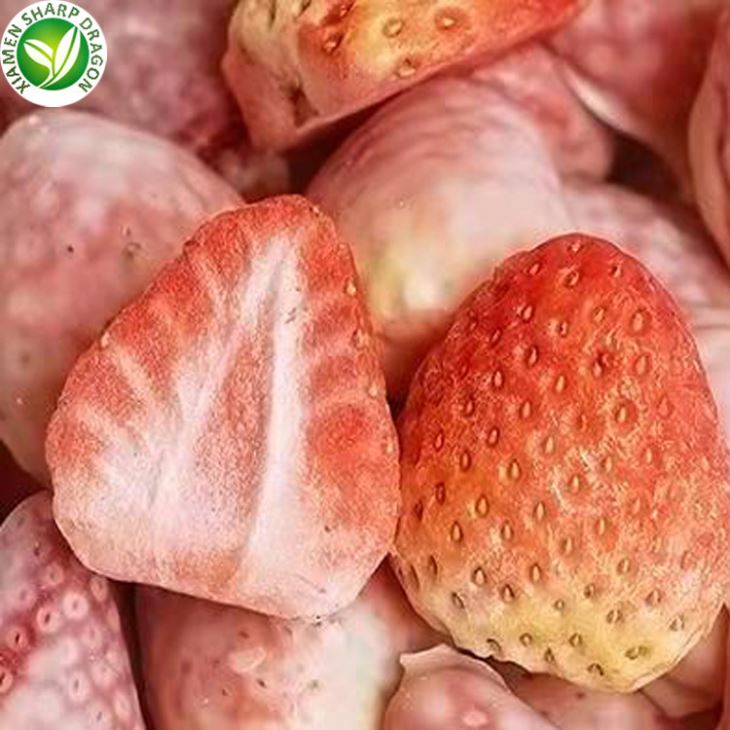
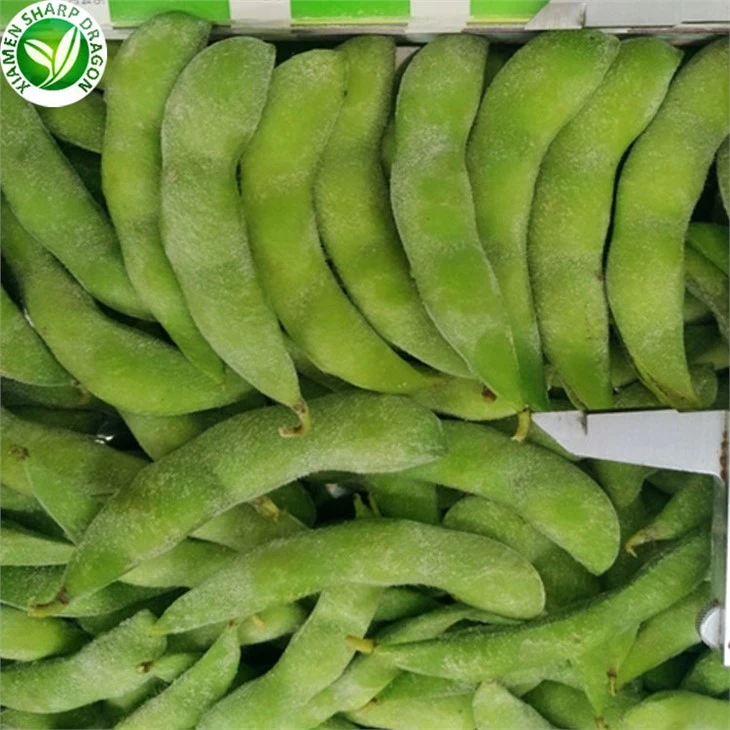
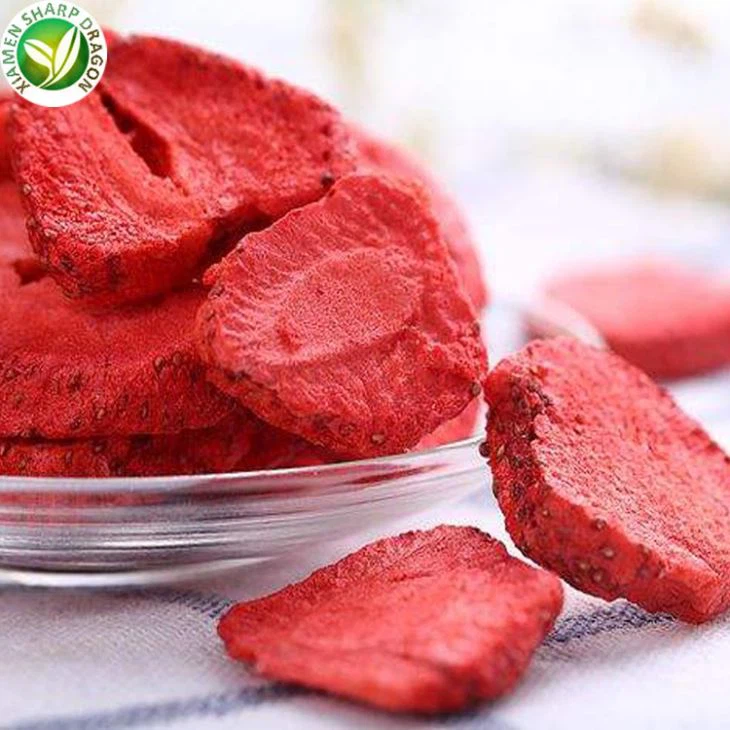
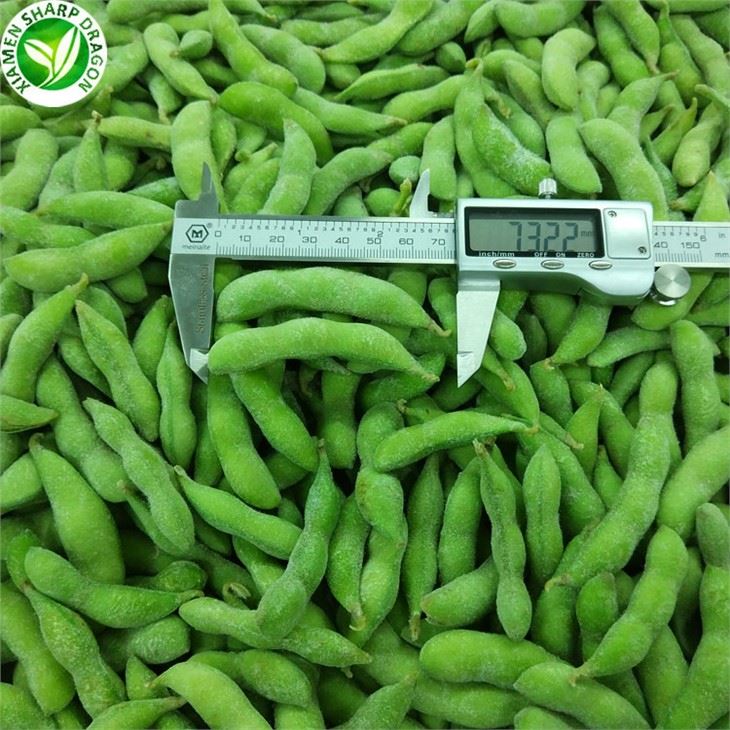
XMSD's freeze-dried edamame page and freeze-dried fruit range provide concrete formats for a product discussion. They do not replace sample and specification approval for a vegetable, cut, ingredient system, destination, or application.
What to Put in the Purchase Specification
Define the ingredient before the limit: common and botanical identity where needed, plant part, variety if material, origin, crop or production date, raw-material condition, pretreatments, blanching, additives, carriers, anti-caking agents, drying method, cut or particle size, and intended application. State whether the product is single ingredient, flavored, sweetened, salted, or compounded.
Specify measurable physical and sensory attributes: moisture, water activity, bulk density method, particle or piece distribution, fines, broken pieces, color, odor, flavor, dry texture, rehydration method and result, foreign material, and application performance. Define whether the sample is evaluated as received, after rehydration, after cooking, or inside the finished formulation. Keep zero-tolerance hazards separate from quality defects that can be sampled and counted.
Build the food-safety and market requirements from the hazard analysis and destination: microbiological criteria, pesticide residues, contaminants, allergens, additives, processing aids, irradiation status if relevant, traceability, lot-linked test evidence, laboratory method, labeling, certificate scope, and import documents. XMSD's certification page can help frame which controlled copies and scopes need to be discussed for a project.
Define packaging, storage, loading, and receipt: inner material, barrier expectation, net weight, residual oxygen or gas flush when used, desiccant or absorber control, seal, carton strength, crush protection, lot code, pallet pattern, storage temperature and humidity, shelf life, remaining life, transport simulation, and inspection. Our shipping guide explains general export handovers; low-moisture cargo also needs protection from humidity, compression, odors, infestation, and package damage appropriate to its route.
Approve at least one matched sample from each candidate process using the same protocol. Record the dose, cost per batch, package volume, preparation, rehydration, process loss, sensory result, line behavior, and finished-product outcome. When a supplier changes raw material, cut, pretreatment, dryer, carrier, package, or factory, the change-control rule should say whether new evidence and approval are required.
XMSD sourcing note: Tell us the vegetable or fruit, desired format, application, rehydration or dry-texture target, pack, destination, documents, volume, and delivery window. We can review which sample and specification details need to be confirmed before a quotation.
Frequently Asked Questions
1. Is freeze-dried food still a dehydrated food?
Yes in the broad sense: freeze-drying removes water and produces a low-moisture food. Commercially, "dehydrated" often refers to heat- or air-dried products, so the exact process should be stated to avoid ambiguity.
2. Does freeze-dried vegetable always rehydrate to fresh texture?
No. Porosity can improve water uptake, but freezing and drying change tissue. Vegetable, maturity, cut, pretreatment, cycle, storage, rehydration liquid, temperature, time, and final use determine the result.
3. Which format is lighter to ship?
Both remove much of the original water, but freeze-dried pieces often have lower bulk density and occupy more volume per kilogram. Compare finished pack mass, cubic volume, breakage protection, pallet utilization, and route cost.
4. Can both formats be stored without refrigeration?
Many properly dried and packed products are designed for ambient storage, but that is not guaranteed by the method name. Confirm final moisture and water activity, pack barrier, seal, oxygen and light control, storage conditions, shelf-life evidence, and label.
5. What is the fastest way to choose between the two?
Run matched samples in the real application. Compare dose, process time, rehydration, color, flavor, texture, visible identity, fines, line behavior, pack volume, delivered cost, and finished-product acceptance under one written method.
Final Thoughts from XMSD
Freeze-dried and conventionally dehydrated vegetables solve different formulation and supply problems. The freeze-dried option often buys porosity, recognizable structure, crispness, and fast rehydration. Conventional dehydration often buys density, robust handling, process familiarity, and a lower cost. Neither advantage matters if your recipe, packaging, equipment, or customer cannot use it.
Choose with measurable application evidence: dry and rehydrated performance, dose, usable yield, bulk density, breakage, moisture control, package volume, route, documentation, and cost per finished batch. That decision is more reliable than a universal quality ranking.
References
- Freeze-Drying of Plant-Based Foods
- Impact of Three Dehydration Methods on Broccoli, Orange, and Carrot Quality
- Dehydration–Rehydration of Vegetables: Evaluation and Future Challenges
- FAO - Methods of Reducing Deterioration
- FAO - Vegetable Drying, Packaging, and Storage
- XMSD operational experience in dried and frozen ingredient sourcing, product review, packaging, and export coordination.