


Are Pears Good for Weight Loss? Use a Substitution Ledger
Oct 10, 2019

Pears do not burn body fat or guarantee weight loss. They can be useful when a measured pear serving replaces a more energy-dense food and the rest of the day does not erase the difference. The word that matters is replaces, not simply "contains fiber."
A substitution ledger makes that role visible. Record the outgoing food, the pear form and portion, every topping, what was eaten later, and any waste. This captures four results that a calorie comparison alone misses: direct energy change, ingredient creep, later compensation and repeatability.
Direct answer: A plain whole or unsweetened pear portion can support a weight-management eating pattern when it makes a useful substitution. If the pear is added after the original snack, covered with a high-energy topping, or followed by compensatory eating, the expected difference shrinks or disappears.

Start with Energy Balance, Not a Fat-Burning Story
NIDDK explains weight change through energy intake and energy use: taking in fewer calories than the body uses over time may lead to weight loss.[1] Pears can participate in that pattern, but they do not create a separate metabolic exception.
Fiber and water can make a whole pear useful in a meal or snack. Those properties describe the food; they do not prove a guaranteed change on the scale. Body weight also reflects the entire diet, activity, medication, health conditions, sleep and time.
Avoid claims that pectin dissolves fat, that bowel movements remove body fat, or that one pear at a particular hour forces weight loss. The pear and bowel-movement guide handles that distinct digestive question.
The useful commercial promise is smaller and testable: a specified pear ingredient can help a developer build a lower-energy replacement when portion, recipe and outgoing product are all controlled.
Ledger Field One: Name the Outgoing Food
"I ate a pear" does not show whether the occasion became lighter. If the pear replaced a pastry, the direct change may be meaningful. If it appeared beside the pastry, it became an addition. Write the original food and amount before calculating anything.
Compare finished servings. One entire restaurant dessert should not be compared with 100 grams of plain fruit while ignoring that the pear recipe includes sauce, cream or pastry. Use the actual plate or pack that the person receives.
Worked example: A 101-kilocalorie medium pear replaces a 285-kilocalorie pastry. The direct difference is 285 − 101 = 184 kilocalories. If the pear is eaten after the pastry, the occasion becomes 285 + 101 = 386 kilocalories before any drink or topping.
The pear reference comes from USDA SNAP-Ed, which lists a medium pear at 178 grams with approximately 101 kilocalories and 6 grams of dietary fiber.[2] The current product weight and approved nutrition data remain necessary for labeling.

Ledger Field Two: Fix the Pear Form and Weight
A whole fresh pear, frozen dice, puree, juice, dried pieces and syrup-packed halves are not the same serving. Water content, edible structure, added ingredients, convenience and portion density differ. Record form before using a number.
For a whole pear, use edible weight. For frozen dice, specify frozen, thawed or drained basis. For canned product, state packing medium and drained status. For puree or juice, use the finished product's nutrition and volume.
Peel status also changes yield and eating experience. Keeping peel may suit a whole snack, while peeled dice can suit yogurt or bakery use. Neither choice determines weight loss by itself. Use the form that passes the application and include its actual edible mass.
The pear portion guide owns daily quantity. This ledger only needs the portion used in the proposed substitution.
Ledger Field Three: Capture Every Added Ingredient
Plain pear can become a different product quickly. Honey, caramel, sweetened yogurt, granola, chocolate, syrup and pastry all contribute to the final serving. A weight-management comparison that counts only the pear produces a false result.
Write ingredient weights or use the approved recipe. If a 101-kilocalorie pear receives a 120-kilocalorie topping, the finished bowl is about 221 kilocalories before anything else. It may still replace a denser dessert, but the ledger must compare 221 rather than 101.
"No added sugar" is not the same as sugar-free. Pears naturally contain sugars, and any claim must meet destination-market rules. The pear sugar guide addresses carbohydrate and label context.
Review the complete pack image as well. A front panel full of pear photography can imply whole fruit even when the formula is sweetened puree or flavored filling. Ingredient identity and serving facts should carry the decision.

Ledger Field Four: Watch the Next Eating Occasion
The direct difference does not prove the day ended with the same difference. A person may feel satisfied and continue normally, or may eat more later because the replacement was too small or poorly timed. Record the next meal or snack without assuming either outcome.
Use a consistent observation window. For an afternoon substitution, note hunger before the next planned meal and any unplanned food eaten in between. For a dessert substitution, note whether a second dessert or sweet drink appeared later.
This is not a laboratory satiety test and cannot diagnose appetite regulation. It is a practical adherence check. A lower-energy substitution that routinely produces immediate compensation may need a different portion, pairing or placement.
Change one element at a time. If portion, outgoing food, time and topping all change between days, the ledger cannot identify which decision helped.
Ledger Field Five: Record Waste and Repeatability
A pear serving only works when it is eaten. Overripe whole fruit, browning dice, watery thawed pieces or an inconvenient pack can increase waste. The theoretical calorie difference has no practical meaning if the replacement is discarded and another food is purchased.
Record issued weight, returned weight and reason. "Too large," "too soft," "browned," "not sweet enough" and "pack leaked" lead to different corrective actions. A single waste percentage hides the product decision.
Repeatability includes cost and preparation time. A beautiful hand-cut pear plate may not be sustainable for a high-volume canteen. Frozen dice may improve labor and availability, while fresh pears may provide a preferred bite. The channel decides which tradeoff matters.
Judge the substitution over several representative occasions. One successful day does not establish a permanent routine, and one rejected portion does not condemn all pear formats.

Use a Fourteen-Entry Test, Not a Miracle Week
Fourteen entries provide enough repetition to see whether the substitution is practical without pretending to run a clinical trial. They do not need to be consecutive days. Use comparable occasions, such as the same afternoon snack or weekday dessert.
Each row can show outgoing food and amount, pear form and grams, additions, direct energy difference, later unplanned intake, waste and a short acceptance note. Keep body weight outside the daily food row; normal short-term changes in water and contents can obscure the dietary decision.
After fourteen comparable entries, ask whether the pear was usually eaten, whether compensation was common and whether the routine fit preparation and cost. Keep, adjust or abandon the substitution based on those observed results.
People with an eating disorder history, pregnancy, diabetes medication or another condition requiring individualized nutrition support should use professional guidance rather than a self-directed restriction experiment.
Avoid Five Ledger Errors
The first error is recording the pear but not the food it was meant to replace. The second is using a raw-whole-pear reference for a sweetened finished cup. Either mistake can turn an addition into a claimed reduction.
The third error is ignoring drinks, toppings and later food. If you add sweetened coffee or a second snack because the replacement did not fit the interval, note it. The ledger does not need moral judgment; it needs a complete occasion.
The fourth error is comparing unequal weeks. A travel week, illness or major change in activity can overwhelm a small food substitution. Mark the context and repeat ordinary occasions before drawing a conclusion.
The fifth error is treating short-term scale noise as proof. If you use body-weight tracking, follow a clinically appropriate method and look at the longer pattern. The food ledger's immediate job is to verify the substitution, not diagnose the cause of every fluctuation.
What to Do When the Substitution Does Not Hold
If later hunger repeatedly erases the direct difference, reconsider the snack job. You might need a different pear amount, a suitable protein-containing companion or placement closer to the next meal. Change one field and observe comparable occasions again.
If toppings erase the difference, simplify the formula before shrinking the fruit. A larger plain pear portion can sometimes produce a better accepted serving than a small pear amount hidden under energy-dense additions. Compare the complete bowls rather than assuming smaller fruit is always better.
If waste is the problem, change ripeness, cut, pack or service temperature. A technically lower-energy item that nobody wants is not an effective replacement. The correct action may be another fruit with a more reliable texture in that channel.
If your plan feels restrictive, increases anxiety or conflicts with medical advice, stop the experiment and seek qualified support. Weight management should not be reduced to forcing one fruit into every day.
Research Supports the Pattern, Not a Pear Guarantee
A systematic review of whole fresh fruit research found moderate-certainty evidence that increased fruit intake tends to support weight maintenance or modest loss in randomized trials, while evidence for high fruit intake in people with overweight or obesity was more limited.[3]
A small ten-week trial compared apples, pears and oat cookies of similar energy and fiber in 49 women with overweight. It is interesting because food form differed, but one small intervention cannot promise the same result from every pear serving, product or population.
Pear-extract studies answer another question. Concentrated test materials at specified doses are not equivalent to eating a medium pear or a frozen-dice portion. Do not transfer extract results to a retail fruit claim.
The ledger does not prove causality either. Its purpose is to make an everyday substitution auditable and prevent addition, topping or waste from disappearing behind a benefit headline.
Fresh, Frozen, and Canned Pears Can Fill Different Roles
Fresh whole pears give recognizable structure and can work as a direct snack replacement. Ripeness management is central: underripe fruit may be hard, while overripe fruit bruises and wastes quickly. Edible weight varies by size and core.
Frozen pear dice can support measured dispensing and year-round inventory. Thawing softens texture and may create drip. They suit yogurt, oatmeal, smoothies and bakery systems that accept the use-state result.
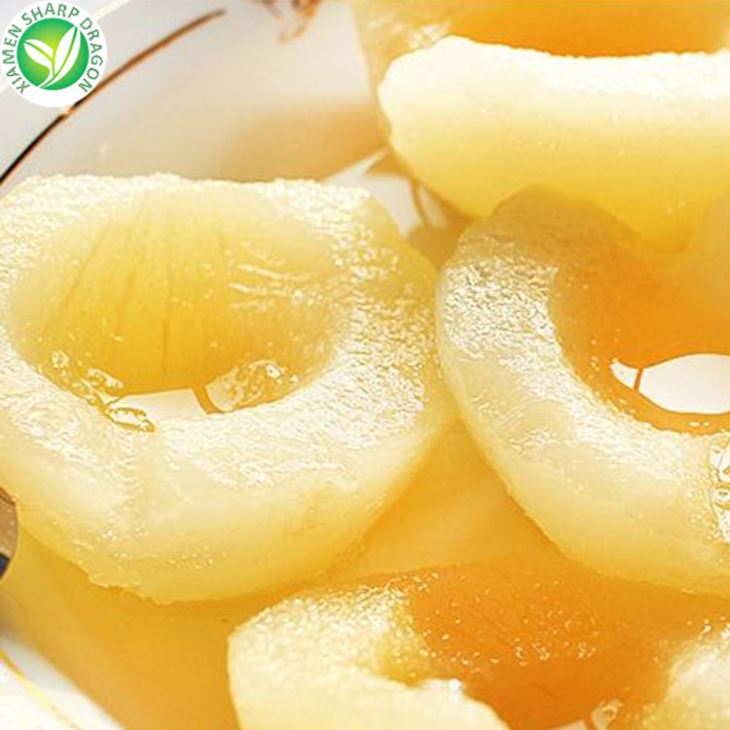
Canned pears can offer stable portioning, but packing medium matters. Pears in water or juice differ from pears in heavy syrup, and drained versus undrained values differ. Use the label and drained-weight basis for the actual product.
Dried pear and juice have more concentrated or altered serving formats. A small volume can be consumed quickly. Do not use the medium-whole-pear number for them.
Ripeness Can Decide Whether the Plan Survives
Fresh pears often need ripening management. Fruit served too early may be hard and less aromatic; fruit held too long may bruise, leak and become difficult to portion. A substitution program needs a receiving and rotation plan, not only a calorie target.
Frozen dice shifts that work upstream. The buyer gains a defined cut and freezer inventory, while accepting a softer thawed texture. The decision should compare labor, usable yield, sensory fit and waste in the chosen recipe.
Color change may be commercially important even when the fruit remains usable. Establish a realistic browning reference, hold time and lighting condition. A vague "white dice only" instruction can create avoidable rejects without improving the substitution.
Taste at the serving point. Sweetness, aroma and texture influence whether the outgoing food is truly replaced. A purchase specification that ignores acceptance can protect a laboratory number while losing the eater.

How XMSD Checks the Frozen Portion at Use State
In our frozen-pear reviews, we define the serving state before calculating a substitution. We weigh the sample frozen, then after the agreed thaw and drainage. We also note cut distribution, separation, browning, firmness and free liquid at the latest intended hold.
Practical example: Representative scenario 1 - weekday snack replacement. A meal-prep program wants to replace a 240-kilocalorie biscuit pack with a 130-gram pear-yogurt cup. The trial records pear grams, yogurt, hold texture, full cup energy and later snack returns. The cup passes only after its complete recipe and acceptance remain better than the outgoing pack. This decision controls substitution adherence and finished energy.
If the thawed pear releases enough liquid to thin the yogurt, we can review a shorter temper, a different cut or a formulation adjustment. We do not solve the problem by reporting frozen gross weight as usable fruit.

How XMSD Checks Reformulation Yield and Cost
Our reformulation review has a different function. We calculate pear input, usable yield, finished recipe output and cost per accepted serving. The goal is to verify that the commercial dessert really changed, not merely add a small fruit decoration to the former formula.
Practical example: Representative scenario 2 - canteen dessert reformulation. A canteen replaces a 310-kilocalorie cake with a baked pear cup targeted at 175 kilocalories. The developer records pear dice, sauce, crumble, bake loss and 100 finished portions. A sweeter second sauce pushes the cup above target, so it is removed and the portion retested. This decision controls recipe architecture and production yield, distinct from the snack program's adherence decision.
We compare usable cost, not carton price alone. If 10 kilograms of frozen dice yield 9.4 kilograms after the approved process, a 120-gram fruit target produces 78 full portions with 40 grams remaining. Replace the illustrative values with representative-lot measurements.
The product brief for XMSD frozen pears should name cut size, peel status, separation, browning tolerance, defects, pack, thaw method and application.
Build a Product Claim from the Ledger
Use the ledger to support factual statements about portion, ingredients and the actual comparison. "This 150-gram pear cup contains X kilocalories" can be checked. "Pears melt fat" cannot be rescued by adding an asterisk.
A comparative energy statement requires equivalent serving conditions and the applicable legal review. Name the reference product and serving, keep current analyses or approved calculations, and recheck after any recipe change.
Do not use an observational pear-consumption association as proof that the finished dessert causes weight loss. Consumers who choose pears may differ in other behaviors. The product file still needs its own ingredients, portion and claim basis.
For a fruit-choice comparison rather than a substitution experiment, see the pear versus apple decision guide. Neither fruit needs a winner label to have a useful role.
The Decision after Fourteen Entries
Keep the pear substitution when the outgoing food is genuinely removed, the complete pear serving remains lower in energy for the chosen plan, later compensation is manageable, and the format is accepted with little waste.
Modify it when toppings erase the difference, the portion does not fit the interval, or thaw and hold reduce acceptance. Change one variable, repeat comparable occasions and update the ledger.
Abandon it when the person dislikes the format, waste remains high, symptoms recur or a medical plan conflicts. Another fruit or food can serve the same dietary function. Pear is an option, not an obligation.
That is how pears can support weight management: through a measured, repeatable substitution whose full result is visible-not through a guaranteed property hidden inside the fruit.
Developing a frozen-pear replacement? Share the outgoing food, complete recipe, target portion, cut, thaw method, hold and yield requirement. XMSD can align sample review with the finished substitution.
References
- NIDDK. Adult guidance on healthy eating, physical activity and energy balance. Read the federal guidance.
- USDA SNAP-Ed. Pear serving and nutrition reference. Open the pear record.
- Hebden L et al. Systematic review of whole fresh fruit, energy intake and adiposity. Read the review.
- CDC. Using fruit and vegetable substitutions in a healthy-weight eating pattern. Read the substitution guidance.