


Frozen Food Defense Plan: Buyer Facility Guide | XMSD
Aug 16, 2026

A frozen food defense plan protects products from intentional adulteration or tampering. A useful buyer review verifies facility applicability, a written vulnerability assessment, identified actionable process steps, tailored mitigation strategies, monitoring, corrective action, verification, training, records, incident response, and reanalysis. Gate locks and visitor badges are useful controls, but they do not demonstrate that the highest-risk product access points have been assessed and managed.
For U.S. supply, the owner, operator, or agent in charge of a covered facility determines obligations under FDA's Intentional Adulteration rule in 21 CFR Part 121, including any exemption. Importers and private-label buyers still need order-level assurance even when a facility is exempt or ships to another market. Your approval should connect the written program to the actual partner factory, frozen product, process flow, packing route, workforce, storage, and shipment used for the order.

Food defense review follows the real product route from receiving and processing through packing, storage, and dispatch.
Keep Food Defense Separate from Food Safety and Food Fraud
Food safety controls hazards that may occur unintentionally. Food defense addresses deliberate acts intended to cause harm, while food-fraud controls commonly focus on intentional deception for economic gain. The same access point may matter to more than one program, but the attacker intent, assessment method, controls, and escalation can differ. A HACCP plan does not automatically satisfy food-defense needs, and an authenticity test does not control malicious physical access.
FDA defines food defense as protecting food from intentional adulteration or tampering. The U.S. IA rule focuses on acts intended to cause wide-scale public-health harm. It requires a written food-defense plan for covered facilities and identifies core components: vulnerability assessment, mitigation strategies, monitoring, corrective actions, verification, training, records, and reanalysis. Apply the rule text and FDA guidance to the legal entity and facility; do not copy a certification checklist and assume regulatory coverage.
Buyer assurance can extend beyond minimum legal coverage. A retailer may require all supplying sites to document defense controls, including exempt facilities. A distributor may need seal and visitor records for contractual risk management. State which requirement is legal, customer-specific, or voluntary. That distinction controls who approves the evidence, how findings are graded, and whether an open item blocks production.
Confirm Facility Applicability and Plan Ownership
Identify the legal facility, registration status where applicable, activities performed, ownership, operating address, products, and any claimed exemption. Ask the responsible U.S. regulatory professional to document the applicability conclusion for 21 CFR Part 121. FDA materials note that covered domestic and foreign facilities generally include those required to register under section 415 unless an exemption applies; farms and several other situations may fall outside or under exemptions described by the rule.
Name the plan owner and backup. Record who is qualified to conduct or oversee the vulnerability assessment, identify and explain mitigation strategies, perform reanalysis, train personnel, and verify implementation. Map corporate and site authority: a headquarters policy may establish principles, but the plant needs site-specific assessment, procedures, contacts, and evidence.
Example: two addresses, one sales company. A quotation names an exporter, while processing occurs at Plant A and retail packing at Plant B. A food-defense certificate held by the exporter does not demonstrate site controls. The buyer requests the applicability decision, plan scope, assessment responsibility, and evidence for both physical sites, then links the approved route to the purchase order.
Legal entity, physical address, product route, plan owner, assessment, procedures, training, and review dates must point to the selected site.
Map the Frozen Product and Process Before Assessing Vulnerability
Create a verified flow from raw receiving to dispatch. Depending on the product, it may include receiving, temporary storage, washing, sorting, trimming, peeling, cutting, blanching, cooling, ingredient addition, mixing, freezing, grading, bulk storage, weighing, packing, coding, metal detection or X-ray, case packing, pallet storage, container loading, and waste handling. Mark people, materials, water, ice, compressed air, rework, packaging, and digital controls entering each step.
Walk the route during operation. Layout drawings can miss temporary doors, maintenance openings, mezzanines, open conveyors, portable ingredient totes, rework containers, unlidded hoppers, shared cold rooms, or blind spots created by seasonal equipment. Record whether product is exposed, how much can be affected, who can approach it, how long access lasts, and whether an act is likely to be observed.
For a product from our frozen fruit, vegetable, and mushroom range, identify the exact cut, formula, pack, facility, and process state. Plain IQF produce, a seasoned blend, and a sauce-containing retail kit can create different access and mixing conditions even when they share a freezer.
Conduct a Defensible Vulnerability Assessment
FDA guidance describes evaluating three fundamental elements: potential public-health impact if a contaminant were added, degree of physical access to the product, and ability of an attacker to successfully contaminate the product. FDA also describes key-activity-type and hybrid approaches. The qualified assessment team selects a permitted method, considers every step, documents significant vulnerabilities and actionable process steps, and explains the reasoning.
Do not equate a high food-safety hazard with a significant intentional-adulteration vulnerability automatically. A sealed incoming carton may carry an undeclared safety hazard but offer little site access. An open mixing vessel may have strong sanitation controls yet allow access and broad distribution. The assessment asks what an intentional actor could do at that location and what reach the affected product could have.
Example: open mixing versus sealed packing. A frozen vegetable sauce blend enters an open, accessible mixer before portioning into many retail units. Finished cartons are sealed, coded, and observed during palletization. The assessment may identify the mixer as more vulnerable because of access, contamination feasibility, and downstream reach. The plant documents its method and explanation rather than treating every step as equally critical.

The assessment considers actual product exposure, physical access, contamination feasibility, and affected distribution at each activity.
Select Mitigation Strategies for Each Actionable Step
A mitigation strategy must significantly minimize or prevent the identified vulnerability and fit normal production. Options can include restricted access, controlled keys or credentials, enclosure, locked ingredient addition, two-person verification, direct observation, tamper-evident covers, cameras positioned for the step, sealed transfer connections, secured chemicals, inventory controls, scheduled supervision, or process redesign. FDA's mitigation-strategies database offers examples, but the facility remains responsible for its decision.
Avoid generic controls that do not reach the vulnerability. A perimeter fence may not address unrestricted employee access to an exposed mixing point. A camera may fail if its view is blocked, the image is too distant, no one reviews the required event, or recordings are unavailable. A tamper seal fails when numbers are not issued, checked, recorded, investigated, and protected from reuse.
Write the connection explicitly: vulnerability, control objective, strategy, responsible person, frequency, evidence, deviation threshold, immediate action, and verifier. Our order coordination and inspection process can collect visible order and packing evidence; restricted food-defense findings still belong with the qualified facility and buyer reviewers.
Control People, Visitors, Contractors, and Credentials
Define authorized zones by job need. Employee, temporary labor, sanitation, maintenance, pest-control, laboratory, delivery, and visitor access can differ. Issue unique credentials, remove access promptly when roles or employment end, supervise visitors, control photography, and record unusual access. Background checks may be restricted or regulated by local law; apply qualified legal guidance and do not present them as a universal requirement.
Train people working at actionable process steps in their assigned mitigation strategy and food-defense awareness. They should know the expected condition, how to record it, what constitutes a deviation, how to stop or protect product, and whom to contact. Training is not a one-time slide deck; practical observation must show that the person can perform the control under real line conditions.
Example: contractor access. A refrigeration technician needs access above an exposed conveyor during production. The work order, escort, tool and material control, line status, protective covering, sanitation release, and time record are agreed before entry. If the protective condition is broken, the plant stops affected product, defines the exposure window, and follows the written corrective-action route.
Secure Ingredients, Water, Rework, and Packaging
Minor ingredients and processing aids can have a wide reach when added to large batches. Control receiving identity, approved supplier, seal or package condition, storage access, issue quantity, return, and discrepancy. Secure chemical stores, labels, inks, and maintenance materials. Protect water, ice, and utility points according to the assessed access and distribution impact.
Rework needs identity, covered containers, approved storage, authorized addition, lot linkage, and quantity reconciliation. Waste and rejected product should not create uncontrolled routes back to edible production. Packaging and label access matters because deliberate code or allergen-label manipulation can harm consumers, although the exact legal treatment may involve food safety, fraud, and defense programs together.
Review frozen packing formats and code controls through our frozen packaging capability overview, then request the facility-specific access, issuance, line-clearance, reconciliation, and deviation records used for the order.

Packaging, codes, labels, rejected units, and unused materials need controlled identity, access, issuance, and reconciliation.
Protect Frozen Storage, Loading, and Seal Integrity
Cold rooms, external warehouses, and loading docks can contain high product volume and multiple customer lots. Define access permissions, door control, visitor and driver routes, pallet status, hold areas, camera coverage, incident alarms, key control, and after-hours response. A third-party warehouse should appear in the approval map with named responsibilities and audit rights.
Inspect reefer cleanliness, suitability, security, and seal points before loading. Record container and seal numbers through controlled issuance and independent checks. Address door opening after sealing, port inspection, customs examination, transloading, seal change, and destination discrepancy. A seal supports custody evidence; it cannot prove that protected product was uncompromised before the doors closed.
Example: seal discrepancy. Destination receiving finds a seal number that differs by one digit from the bill of lading. The consignee holds the container, photographs the seal and doors, checks carrier and port records, contacts the authorized incident team, and waits for a documented disposition. Guessing that the exporter made a typing error would destroy the value of the custody control.
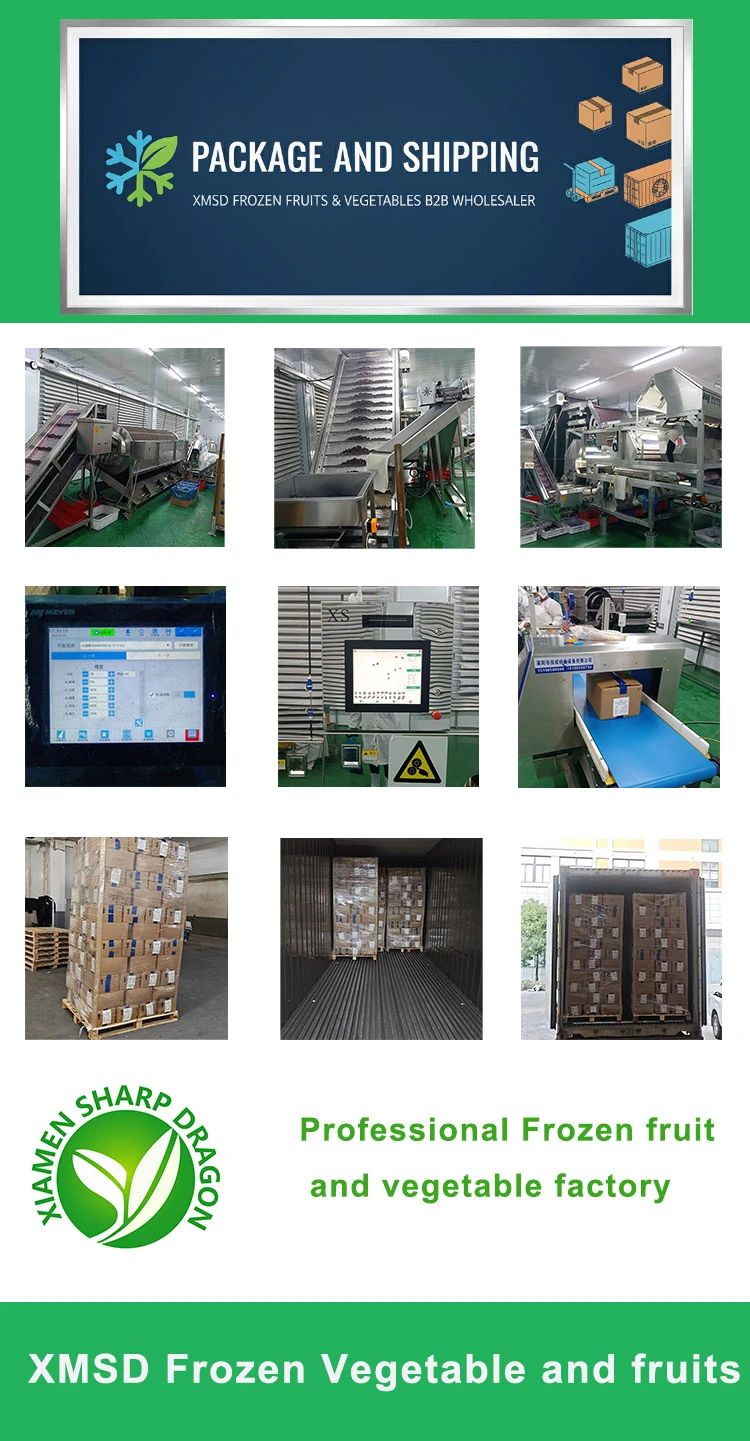
Pallet identity, loading observation, container condition, seal issue, and custody records should reconcile.
Monitor Controls and Define Corrective Action
Monitoring asks whether the mitigation strategy is performed. State what is observed or measured, frequency, responsible role, record, and deviation criterion. Examples include checking that an enclosure remains locked, verifying an authorized operator at ingredient addition, reviewing a seal log, or confirming that a camera view is unobstructed. The method should detect loss of control in time to protect affected product.
Corrective action addresses both product and control. Secure the area, stop or hold the defined exposure, preserve evidence, notify the authorized team, assess intentional-adulteration concern, determine product disposition, restore the strategy, investigate cause, and prevent recurrence. Do not release held product merely because a lock was repaired; the team must evaluate what happened during the uncontrolled interval.
Verification confirms that monitoring occurred, decisions were appropriate, records are complete, and the strategy remains effective. Use record review, observation, access-log tests, alarm challenges, camera-view checks, seal reconciliation, or other methods suited to the control. Separate routine verification from independent assessment when the same person performs the daily task.
Measure Coverage Without Turning It into a Compliance Score
| Evidence row | Buyer check | Failure signal |
|---|---|---|
| Applicability and scope | Legal entity, site, product, route, exemption basis | Corporate certificate without site decision |
| Vulnerability assessment | Every activity considered; reasoning retained | Checklist with no process walk or explanation |
| Mitigation | Strategy connects to each actionable step | Generic gate or visitor rule only |
| Management components | Monitoring, action, verification, records | Control exists but no defined evidence |
| People and training | Assigned roles are qualified and observed | Attendance sheet without task competence |
| Reanalysis and change | Triggers, dates, owner, revised controls | Plan unchanged after route modification |
Worked example: evidence coverage. A buyer's controlled matrix has 18 required rows for one facility and order route. Fifteen rows have accepted evidence. Three remain open: the alternate cold-store access review, a blocked camera challenge, and after-hours incident contact testing. Document coverage is 15 ÷ 18 × 100 = 83.3%. The buyer does not average the open high-risk rows into a pass; production release waits for evidence or an approved route that removes the exposure.
Use coverage only to manage document gaps. It is not FDA's vulnerability method, a regulatory score, or evidence that mitigation is adequate. The qualified facility team determines significant vulnerabilities and controls under the applicable rule; the buyer uses the matrix to ensure that required decisions and evidence are present for the selected route.
Evidence coverage helps reveal open decisions, but high-risk gaps remain hard gates rather than averageable points.
Verify Training, Records, and Reanalysis
Check that personnel receive the awareness and role-specific training required for their duties and facility status. Records should identify the person, date, content, trainer or method, and demonstrated competence when appropriate. Temporary workers and contractors need controls suited to the access and task they receive, not delayed training after they enter the area.
The record set may include the plan, vulnerability assessment, mitigation explanations, monitoring, corrective actions, verification, training, and reanalysis. Control copies, access, retention, correction, electronic integrity, and secure storage. Buyers normally need approval evidence without possession of exploitable facility details; agree a controlled review method and confidentiality terms.
FDA's IA rule includes reanalysis at least every three years for covered facilities and when specified triggers occur. Triggers can include a significant change in activities, new vulnerability information, improperly implemented mitigation, or an FDA requirement under the rule. Customer programs may set additional review points. Connect factory move, line redesign, new mixer, automation, cold-store change, major staffing model, or new product route to the plan owner.
Audit Without Exposing the Security Plan
Before an audit, define reviewer authorization, confidentiality, prohibited photography, note handling, redaction, secure transfer, and finding distribution. Verify the assessment method and outputs, then sample implementation at selected actionable steps. Observe access, speak with responsible operators, review recent records, challenge a control safely, and trace a deviation through containment and verification.
Avoid writing public reports that locate vulnerable points or describe bypass methods. Buyer evidence can state that named program elements were independently checked, identify a controlled finding reference, give risk status, owner, due date, and closure result, and retain details in a restricted channel. Our certificate and quality-document overview is capability information, not a substitute for facility-specific food-defense evidence.
Close findings through root cause, action, implementation proof, and effectiveness verification. A late training record may need a document correction; a control that employees routinely bypass needs design or workflow change. Rate the real exposure and prevent production under an uncontrolled high-risk condition.
Connect Food Defense to Incident Response and Trade
The incident plan should protect people, secure the area, stop product movement, preserve evidence, involve designated management, assess affected product and distribution, and contact qualified authorities and law enforcement when required. Keep food-defense, recall, crisis, cyber, security, and business-continuity contacts aligned without blurring their decision authority.
For exports, record the processor, exporter, importer, brand owner, warehouse, carrier, port, consignee, and authority contact matrix. An intentional-act suspicion may cross languages, time zones, and legal systems. Agree who can hold stock, notify customers, inspect seals, secure samples, issue public communication, and authorize disposition. No commercial urgency justifies disturbing evidence or releasing uncertain goods.
Use our global buyer support overview to map order and shipping coordination, while qualified facility, importer, regulatory, legal, and security owners retain their respective food-defense duties.

Cold-storage access, pallet status, order identity, seal control, and incident authority must remain connected.
Buyer Approval Checklist
- Applicability and any exemption are documented for the exact legal facility and activities.
- The written plan names qualified owners, backups, contacts, and restricted information controls.
- The verified process flow covers the exact product, formula, pack, storage, and dispatch route.
- The vulnerability assessment considers every activity and explains significant vulnerabilities and actionable steps.
- Each mitigation strategy connects to its vulnerability and can operate during real production.
- Monitoring, deviation criteria, corrective action, verification, and records are defined and sampled.
- Employee, temporary worker, visitor, contractor, ingredient, chemical, packaging, and credential access are controlled.
- Cold storage, loading, container, seal, and after-hours custody are included.
- Training demonstrates assigned-control competence, not attendance alone.
- Reanalysis triggers connect operational change and control failure to qualified review.
- Incident response protects people, product, evidence, communications, and authority contact.
Treat an open actionable-step control, uncontrolled site transfer, missing applicability decision, or inaccessible incident contact as a release issue. Request evidence through a secure path, agree the closure owner and deadline, and select a different approved route when the weakness cannot be reduced in time.
Recheck the matrix before first production and after facility, process, ingredient, packing, warehouse, or security changes. The objective is not a thick policy file. It is a verified set of controls that protects the exact frozen-food route without revealing how to defeat it.
Send the product, formula, pack, destination, volume, selected facility, storage route, customer food-defense requirement, audit protocol, and required evidence. We will review the order and facility information available for controlled buyer qualification.
Send your frozen-food facility and order-control requirements to XMSD.
Frequently Asked Questions
Is a food defense plan the same as a HACCP plan?
No. HACCP and preventive food-safety systems address unintentional hazards, while food defense addresses intentional adulteration or tampering. Some management practices can support both, but the vulnerability assessment, attacker-access logic, mitigation, training, and response need their own documented basis.
Does every frozen food factory fall under the U.S. IA rule?
No universal answer applies. Coverage depends on the facility, activities, registration status, and exemptions in 21 CFR Part 121. The responsible owner or agent should document applicability with qualified regulatory support. A buyer may also impose contractual food-defense requirements beyond legal coverage.
Should a supplier send its complete vulnerability assessment to a buyer?
Not automatically. Detailed security information needs controlled access. Buyers can use qualified on-site review, redacted evidence, confidential portals, restricted audit reports, and closure summaries while still verifying that required assessment and management elements are implemented.
Does a container seal prove frozen product is protected?
A controlled seal supports custody after closing. It does not address vulnerabilities before loading or prove that no door opening, seal change, or documentation error occurred. Verify issue, application, independent check, record consistency, exception handling, and destination inspection.
When should the food defense plan be reviewed?
Covered U.S. facilities follow the reanalysis timing and triggers in the IA rule, including the three-year interval and specified changes or control failures. Buyers should also require review when the selected facility, process, ingredient-addition step, packing site, warehouse, access system, or distribution route changes.
References
- U.S. Food and Drug Administration - Food Defense
- U.S. Food and Drug Administration - Intentional Adulteration Final Rule overview
- U.S. Food and Drug Administration - Draft Guidance on Mitigation Strategies
- U.S. Food and Drug Administration - Small Entity Compliance Guide
- U.S. Food and Drug Administration - Food Defense Mitigation Strategies Database
- U.S. Food and Drug Administration - Food Defense Training and Education