


Canned Fruit Specifications: Weight, Grade and Acceptance
Feb 27, 2023

A canned fruit specification should identify the fruit and cut, packing liquid, net and drained weights, acceptable appearance and texture, container condition, and the records used to approve a lot. These are separate purchasing decisions. A can with the right total weight can contain less fruit than expected, while a sample that tastes acceptable can still miss the agreed cut or defect limits. Start with measurable descriptions, then make the sample and receiving checks use the same definitions.
For an importer or private-label buyer, the strongest approval is a matched set: the identified sample, the written specification, the proposed can and label, and the relevant production and release documents. A photograph or a grade name alone leaves too much open. The people purchasing the goods and the people inspecting them should be able to reach the same decision without relying on a conversation that happened weeks earlier.
We would first separate fruit-quality questions from container-integrity questions. A broken peach half may be a commercial defect under the agreed grade; a leaking can requires a different response. Keeping those categories distinct prevents attractive fruit, a favorable average weight or a price concession from distracting from an unresolved packaging concern. It also makes an ordinary quality discussion more precise: what changed, how was it measured, and which acceptance rule applies?

Name the fruit, preparation and cut before assigning a grade
Write the fruit identity as specifically as the purchase requires. For peaches, distinguish the relevant varietal type rather than using yellow fruit as the complete description. For pears, state the accepted commercial variety or type where that affects the brief. Add the preparation: peeled or unpeeled, pitted or otherwise prepared, and the finished style. Halves, slices, quarters, dice and irregular pieces should not be treated as interchangeable substitutes simply because they come from the same fruit.
The canned yellow peach halves product page provides a visual starting point. For an actual approval, describe whether substantially intact halves are required, which size or count range applies, and how broken units are assessed. With dice, specify the dimension and the accepted variation instead of approving only a spoonful that happens to look even. A size average can conceal a mixture of large pieces and small fragments.
For mixed fruit, identify the components and the basis used for their proportions. A blend description should show whether percentages refer to drained fruit or to the complete contents including liquid. Decide whether a component is assessed across the sample or must be present in each container. That difference matters when small but visually prominent pieces are unevenly distributed. A product name and a colorful photograph leave the receiving team without a usable composition check.
Keep the grade reference exact. USDA publishes distinct standards for canned freestone and clingstone peaches, and the freestone standard evaluates such features as color, defects and character for defined styles. An informal supplier description such as choice is not enough to identify the governing criteria. Put the standard, edition or agreed commercial limits in the specification and state which document takes priority if two descriptions conflict.

Specify the packing medium and the Brix measurement basis
Record the packing medium: water, a named fruit juice, syrup or another declared liquid. Keep the full ingredient statement with the approved formula version. Two fruit-in-juice packs can use different juices or additional ingredients; the sample report and artwork must identify the formula being purchased.
Brix is useful only when the sample and measurement point are clear. USDA's May 2025 Technical Procedures Manual explains that the reported finished-product liquid measurement follows equalization between the fruit's natural sugars and the incoming liquid. A reading taken from syrup before filling therefore answers a different question from the finished can's cut-out result. The manual also distinguishes syrup designation from the fruit's quality grade.
Ask for the target range, the named method, sample preparation and the point in the production or inspection sequence when it is measured. Preserve individual readings when the acceptance rule requires them. If a supplier reports a narrow range from incoming syrup and the buyer tests opened cans, resolve that method difference before declaring a production failure. Otherwise, both parties may be measuring accurately but measuring different things.
We prefer to keep the packing-medium line separate from the appearance and texture lines. A sweeter medium is not a replacement for the required fruit grade. Nor should an attractive color excuse a formula mismatch. Review these attributes together when selecting a sample, but give each a clear place in the approval record so a later change can be traced to the decision it affects.

Net weight and drained weight need their own acceptance rules
Net weight describes the food contents without the container; for fruit in a liquid pack, that includes the fruit and packing medium. Drained weight describes the retained fruit after the specified drainage procedure. A statement such as 3 kg canned fruit is therefore incomplete when the amount of fruit is commercially important. Put both quantities, their units and their measurement bases on the comparison sheet before treating two offers as equivalent.
Avoid assuming that a drained-weight percentage uses the same denominator in every document. It may be a simple ratio to net contents in a quotation, while a product standard can use a different basis. Read the definition attached to the value. For a contract comparison, grams per container under the chosen method are often easier to interpret than a percentage with no explanation. Keep the original standard's units and convert them transparently if a second unit is needed.
Drainage is a controlled measurement, not an instruction to empty the can until it looks dry. The USDA canned clingstone peach standard, for example, specifies a No. 8 sieve, a two-minute drain, suitable sieve diameter, a slight incline and downward-facing pit cavities for halves. The measured fruit mass is obtained by subtracting the dry sieve's weight. This is a product-specific method, not a universal rule for every canned fruit.
For the product being purchased, agree the applicable method before sampling. Record the balance identification, sieve or other apparatus, drainage time and treatment of cavities or retained liquid. Do not squeeze, shake or extend drainage to obtain a preferred result. If two laboratories disagree, compare their preparation records first. A method mismatch can produce a dispute even when the containers came from the same production run.
Worked example: an acceptable average hides one underweight can
Suppose a distributor is reviewing a six-can trial sample of canned peach halves. This is an illustrative purchasing exercise, not an XMSD test or a prescribed sampling plan. The project agreement calls for an average drained weight of at least 1.80 kg per can and no sampled can below 1.78 kg, measured by its agreed procedure. Those two project limits are invented here to show how different acceptance rules work.
The six drained results are 1.82, 1.81, 1.79, 1.80, 1.75 and 1.83 kg. Their total is 10.80 kg, giving an average of 10.80 ÷ 6 = 1.80 kg per can. The average criterion passes. However, the fifth can contains 1.75 kg, which is 0.03 kg, or 30 g, below the project's individual minimum. Under the stated rule, the sample set fails despite meeting the average.
The useful response is to retain all six results and investigate the low unit, including the draining record and its can code. Do not replace it with an extra high-weight can and recalculate a more attractive average. If a measurement error is demonstrated, document the correction using the agreed retest procedure. If the result stands, request corrective action or a revised sample rather than approving a specification that was not met.
An actual standard may permit a defined number of individual exceptions under a particular sampling plan; the example deliberately uses a different, stricter project rule. Write the plan and acceptance number explicitly. The point is to evaluate the stated rules together, not to impose six cans or zero exceptions on every order. A development sample also needs a separate, justified plan before its results are used to release a commercial lot.

Describe color, texture and defects so they can be checked again
Use the fruit as supplied as the reference condition. Inspect drained pieces under consistent lighting and handling, with the agreed sample age and preparation noted. Record normal color variation separately from unacceptable discoloration. A photograph is helpful for a visual boundary, but keep the original file, lighting context and product identity so that a later reviewer knows what it represents. Avoid approving a whole grade from one especially attractive piece.
Texture needs a description that relates to the accepted product. Terms such as firm, tender, fibrous, crushed or excessively soft become more useful when supported by a reference sample or a defined test. If an instrument is used, retain the setup and the part of the fruit being measured. If trained assessors perform the check, align their descriptions first and compare the same preparation. Handle the fruit gently enough that inspection itself does not create the defect being counted.
Make the defect categories product-specific. Peel remnants, pit material, core tissue, broken units and blemishes are different observations, and their relevance changes with fruit and cut. State the count, mass or area basis attached to each limit. A percentage by number of pieces is not interchangeable with a percentage by drained mass. Also explain how a piece with more than one defect is recorded, so different inspectors do not accidentally create different totals.
This is where a compact defect photograph set can be more valuable than an additional marketing sample. We would include acceptable, borderline and unacceptable examples against the written definitions, then keep the agreed version with the specification. Replacing every natural variation with a zero-defect demand can make a contract unrealistic; leaving everything to normal quality makes it unenforceable. Select the boundary that serves the product brief and can be checked consistently.
For a broader review of the supply format itself, the frozen-versus-canned pineapple guide addresses that separate choice. Once canned fruit has been selected, assess it against its own approved condition rather than using the appearance or firmness of fresh fruit as an unstated standard.

Check the container before opening a quality sample
Examine the can body, ends, seams and closure features while the container is still intact. Photograph any concern with the code visible and note where it sat in the carton. The Canadian Food Inspection Agency's metal-can manual explains that dents can affect seams or coatings; the location and nature of the damage matter, not just whether a dent is visible. Sharp seam damage, leakage or swelling should be escalated as integrity concerns rather than treated as a discountable appearance fault.
CDC guidance identifies leaking, bulging and damaged containers as warning signs for both home-canned and store-bought foods, and warns against tasting food to decide whether it is safe. Keep suspect containers out of the normal tasting session. A receiving team can identify and isolate a concern; specialist examination and the responsible quality authority must determine the investigation and disposition. Do not flatten a dent or otherwise alter the evidence before the issue is documented.
Set a receiving procedure that distinguishes package observations from release decisions. Record the can code, carton code, affected quantity, location and photographs, then notify the designated contact. Where the defect raises a possible wider-lot concern, prevent distribution while the scope is assessed. Routine fruit-weight or sensory results from other cans are not a substitute for resolving that concern. Keep the hold status visible in inventory as well as in the inspection notes.
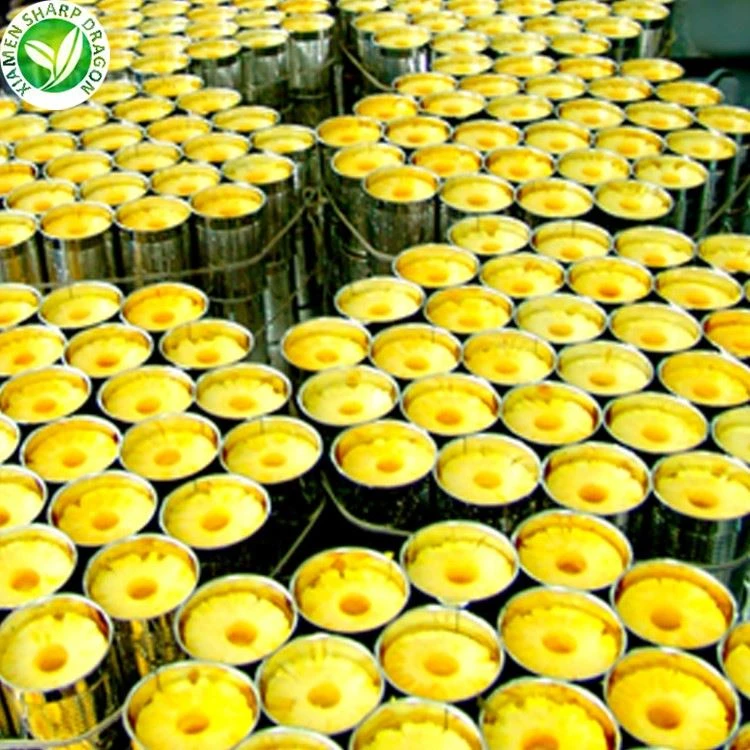
The packaging photograph below is a format reference, not a demonstration of a defective or approved seam. A commercial can examination depends on the actual container and, where necessary, the manufacturer's specifications and competent testing. Request those records for the proposed pack rather than trying to infer closure quality from a product photograph.

Practical example: receiving damage changes the release decision
Consider a representative importer receiving two pallets bearing the same production lot code. The outer corner of one pallet has crushed cartons, and several cans in those cartons have sharp rim dents. Other cartons look undamaged. The shipment's weight report is within the agreed limits. These are hypothetical observations chosen to separate container integrity from fruit-content approval; they are not a reported XMSD delivery.
The importer photographs the pallet before rearranging it, records the damaged carton positions and can codes, and segregates the damaged stock. The responsible quality team places the relevant lot under review while it determines whether the impact is localized and whether additional examination is needed. Passing drained-weight results do not justify immediate distribution. The quantity, pattern and severity of damage are the inputs that guide the investigation.
The result at this stage is a controlled hold with traceable evidence, not an invented assurance that the remaining cans are safe. Release, rejection or another authorized disposition follows the documented assessment. Record who made that decision and which units it covers. If the issue is traced to pallet protection or handling, revise that part of the packing or delivery agreement before the next shipment; the fruit specification alone would leave the cause unaddressed.
Match the documents to the product, facility and lot
Separate documents by the question they answer. The signed product specification defines what was ordered. Ingredient and packaging declarations describe the proposed formulation and food-contact pack. A current facility certificate addresses its stated scope and validity, while a lot report identifies results for particular material. Shipping and origin documents support the shipment and destination requirements. A folder containing all of them is useful only when the identities and versions match.
For a certificate, check the named holder, site, scope, issuer and validity rather than approving a logo. The XMSD certification page is an entry point for requesting the relevant current documents. It is not a claim that every displayed certificate covers every canned fruit, packing site or destination. Record the document that supports the specific project and the person who reviewed it.
For test reports, compare the product description, lot reference, sampling date, method, units and results with the specification. A result from another fruit, pack size or historical lot may be useful background, but it has a different role from a required release result. Where processing and closure records are part of supplier approval, let the technical reviewer define which records are necessary and how they connect to the proposed product. Avoid replacing that review with a generic request for all certificates.
Before private-label printing, reconcile the approved formula, fruit identity, cut description, weight declarations, code layout and destination artwork requirements. Use the retail program overview to frame the channel discussion, then approve the actual consumer pack. A last-minute artwork change should be checked against the product record rather than handled as a purely graphic revision.
Approve one specification that purchasing and receiving can share
The canned fruit category shows the range of product identities that may start a sourcing discussion. Narrow that discussion to one controlled specification for the selected item. Give it a revision date and link it to the approved sample code, formula, can format, case arrangement and document list. Mark unresolved items clearly before an order is released; an assumption in a quotation can otherwise become a disagreement at arrival.
Agree the commercial-lot sampling arrangement before inspection begins. Define the lot, the selection of containers, the checks performed, the acceptance rules and the authority to release or hold. Keep individual measurements as well as summaries. Where a buyer uses stricter commercial limits than an identified standard, state the additional requirement explicitly and obtain agreement. Where a destination requirement applies, the responsible reviewer must ensure the contract and label meet it.
Finally, identify the changes that trigger renewed approval. A different fruit type, revised cut, changed packing liquid, new can construction or another production site can affect different parts of the acceptance record. The practical aim is continuity: a new order should arrive as the product that was approved, with enough traceability to explain any departure. Clear limits, repeatable methods and a documented response to exceptions make that possible.
For an XMSD canned-fruit inquiry, send the fruit and cut, packing medium, weight requirements, can format and destination. Include your sample and document requirements so we can discuss the approval basis with you.
References
- USDA AMS: United States Standards for Grades of Canned Clingstone Peaches, drained-weight method
- USDA AMS: Canned Freestone Peaches Grades and Standards
- USDA AMS: Technical Procedures Manual, May 2025, Brix measurement
- Canadian Food Inspection Agency: Metal can defects, identification and classification
- CDC: Home-Canned Foods, warning signs also covering store-bought food