


Can You Eat Fig Skin? Washing, Texture and Safety Guide
Sep 18, 2019

Yes. The thin skin of a sound, ripe common fig is normally edible, and most figs are eaten skin-on. Rinse fresh fruit under running water, dry it gently, trim the tough stem if preferred, and inspect for mold, fermentation, insects or damaged tissue before eating.
Peeling is a texture or application choice, not a standard safety requirement. Dark and green cultivars can both be ripe; skin color alone does not decide edibility. Frozen-thawed skin is also edible, though it may soften, wrinkle or separate from damaged cells.
Keep three issues separate: ordinary surface cleaning, milky fig-tree sap and true food allergy. Washing reduces dirt and surface contamination; it does not make spoiled fruit acceptable or prevent an allergic reaction in a sensitized person.
Skin-on decision: keep the skin when the fig is sound and the texture suits the dish. Remove it only for a smoother product, an individual preference or a validated recipe requirement-not because normal ripe fig skin is inedible.

What the Fig Skin Actually Is
The outside of the edible fig is the outer surface of a fleshy syconium. It encloses the receptacle tissue and many tiny internal fruitlets. Unlike a banana peel or a hard citrus rind, normal ripe fig skin is thin and commonly consumed with the rest of the fruit.
Skin thickness, toughness and color vary by cultivar and maturity. Some ripe green-skinned figs remain green; some dark types range from brown to purple. A universal "green means unripe" rule would reject legitimate cultivars.
The small natural opening at the blossom end is the ostiole. It is part of fig anatomy, not proof of damage. An unusually open, wet or contaminated ostiole can increase quality concern, so judge condition rather than rejecting every visible eye.
A short stem may feel fibrous even when the skin is tender. Trim the stem for comfort or recipe consistency. Stem removal and peeling are separate actions; discarding the stem does not require removing the surrounding skin.
Use Condition, Not Color Alone, to Decide Edibility
A sound ripe fig generally has cultivar-appropriate color, gentle softness and characteristic aroma. UC Davis identifies skin color and flesh firmness as maturity and quality indicators and lists defects such as cracks, stem wilting, insects and rot.
Softness can be normal at eating ripeness. Localized watery collapse, fuzzy growth, leaking decay, a strong fermented odor or widespread dark breakdown is different. Do not try to rescue a spoiled soft fruit by peeling off its skin.
A small dry surface mark may be cosmetic; a deep crack can expose internal tissue. The decision depends on depth, contamination and the intended use. In commercial handling, define defects and tolerances instead of relying on an informal "looks fine."
When in doubt about mold or active decay on a soft high-moisture fruit, discard the affected fig. Skin removal cannot guarantee that invisible growth or contamination remained on the surface.
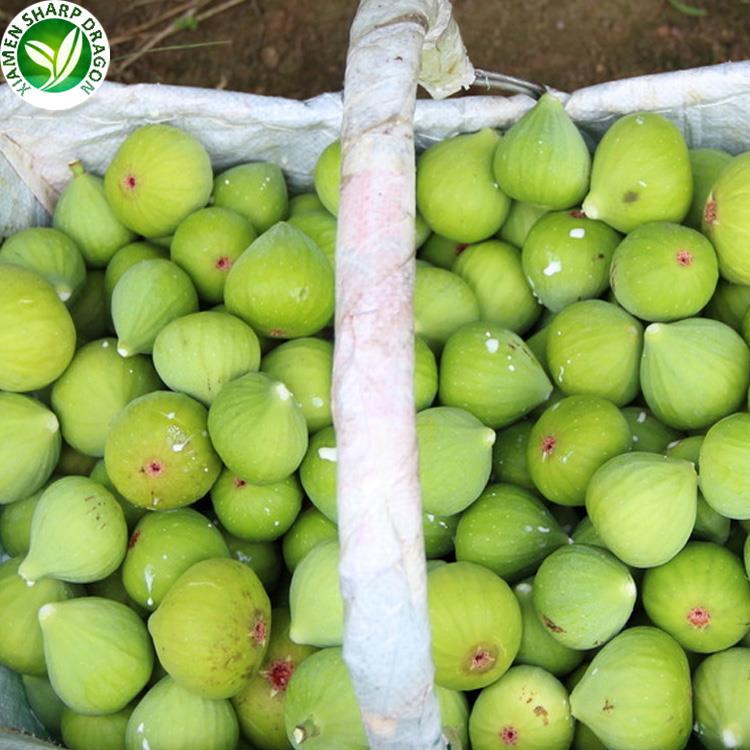
Wash Fresh Fig Skin Under Running Water
The U.S. FDA advises washing fresh produce thoroughly under running water before preparation or eating. Wash your hands first, keep fruit away from raw meat contact, and rinse before cutting so a knife does not carry surface material into the interior.
Hold each delicate fig under cool running water and rub the surface gently with clean fingers. Pay attention near the stem and ostiole without forcing water into damaged tissue. Dry with a clean towel or disposable paper.
FDA guidance does not recommend washing produce with soap, detergent or commercial produce wash. Fig skin is soft and can retain residues or become damaged by aggressive scrubbing.
Washing reduces surface dirt and microbial load; it does not sterilize the fruit. Continue to use clean tools, a clean cutting surface and appropriate refrigeration. Discard fruit with unsafe condition rather than relying on a longer rinse.
Do Not Soak Figs in Sugar for "Safety"
The old instruction to wash figs and leave them with sugar for several days is removed. Sugar on fruit is not a universal safety treatment. At room temperature, damaged figs plus sugar can support uncontrolled fermentation or spoilage.
Jam, whole-fruit preserves and canned figs are established product types with controlled ingredient ratios, acidification, heat process and packaging. The National Center for Home Food Preservation provides tested recipes and notes that figs require specified acidification for boiling-water canning.
A sweet taste does not prove safe preservation. Sugar level, pH, water activity, heat penetration, container and storage all matter. Follow a tested home method or a validated commercial process rather than improvising from a skin-washing question.
If you simply want sweeter fresh figs, choose a ripe cultivar and eat it promptly. Adding sugar changes the food and its label; it is not needed to make normal clean fig skin edible.

Peel Only When Texture or Appearance Requires It
Leave skin on for whole eating, quartered salads, roasting, compote and rustic fillings when the texture is tender. The skin helps hold a very soft ripe fig together during cutting and provides recognizable color in the dish.
Peel when a particular cultivar has a leathery skin, the diner dislikes the texture, or a smooth white sauce or purée cannot accept colored flecks. This is an application decision, not evidence that the skin is harmful.
Ripe figs can be difficult to peel neatly. Chill briefly for handling, cut off the stem, score shallowly and lift the skin with a small clean knife. Excess pressure wastes soft flesh and changes yield.
Practical example: a red fig sauce shows unwanted dark skin flecks after blending. Test a finer screen before specifying peeled fruit. Screening may remove the visible flecks with less labor and less edible-fruit loss than hand peeling.
Frozen Fig Skin Is Edible but Behaves Differently
Freezing forms ice crystals that disrupt cells. After thawing, the skin can wrinkle, split or slide from the softened flesh. That texture change does not make the skin inedible, but it changes which application can use it well.
Skin-on frozen figs work in sauce, chutney, jam, smoothie and bakery filling when pieces will soften or blend. A plated half needing fresh firmness requires a successful thaw trial and may still be a poor fit.
Evaluate the complete thawed sample: surface color, skin separation, released liquid, aroma and interior condition. A white frost layer or ice crystals are not mold, but package damage, dehydration and temperature abuse need separate review.
Our frozen fig direction is a commercial reference. Confirm whether the offered whole or cut fruit is skin-on and whether thawed appearance matches your product.

Milky Sap Is Not the Same as Ripe Fig Juice
Fig trees contain milky latex in leaves, branches, stems and less-mature tissues. Cutting a stem or picking an underripe fig can release white sap. Ripe interior juice is a different material and is usually clear or fruit-colored.
Published case reports describe phytophotodermatitis after skin contact with fig-tree sap followed by sunlight. This risk concerns plant-sap exposure, especially during pruning or harvesting, and should not be inflated into a claim that every washed ripe fig skin burns people.
Harvest handlers can use gloves and protective clothing, avoid rubbing sap onto exposed skin and wash after contact. If a skin reaction develops, seek appropriate medical guidance rather than applying more plant material.
At home, trim a sap-bearing stem with a clean tool and rinse the fruit. Do not taste milky sap to judge maturity and do not use it as a folk skin treatment.
Washing Does Not Remove a True Food Allergy
Food allergy is an immune reaction to proteins; it is not surface dirt. Washing or peeling cannot be promised to make figs safe for a person with a diagnosed fig allergy.
Published studies and case reports describe fig reactions and cross-sensitization involving Ficus benjamina allergens in some patients. These reports show that allergy is possible, not that it is common in the general population or predictable from skin color.
If eating fig causes mouth itching, hives, swelling, breathing difficulty, vomiting or other suspected allergic symptoms, stop and seek medical assessment. Breathing difficulty or a severe systemic reaction requires urgent care according to local emergency guidance.
Do not test tolerance by eating peeled skin or a larger amount. A clinician can evaluate history and appropriate testing. Commercial labels must manage allergens and cross-contact under destination-market rules and the actual facility program.

Skin-On Versus Skin-Off Changes Yield
Peeling removes edible material and labor time. The loss varies with cultivar, ripeness, operator and method. Measure it on the proposed fruit rather than assuming a standard percentage.
Worked example: a trial begins with 12.0 kg washed figs. Stem trim removes 0.36 kg and peeling removes another 1.20 kg. Usable peeled fruit is 12.0 - 0.36 - 1.20 = 10.44 kg.
Usable yield is 10.44 ÷ 12.0 × 100 = 87.0%. If a recipe needs 250 kg peeled fruit, theoretical incoming requirement is 250 ÷ 0.87 = 287.36 kg before other process losses.
If screening skin-on purée gives 94% usable yield and an acceptable smoothness, incoming requirement falls to 250 ÷ 0.94 = 265.96 kg. The application trial decides whether that 21.40 kg difference justifies the screen step.
Record labor, flesh loss, screen loss, color and viscosity as well as yield. A higher-yield process is not better if it misses the sensory endpoint.
B2B Specifications Must State Skin Condition
Write skin-on, peeled or partially peeled; cultivar or approved type; whole/half/dice/purée; stem tolerance; color; surface defects; treatment; pack; and frozen or thawed inspection basis. "Prepared figs" is too vague.
A skin-on specification should define unacceptable detached skin, tough pieces, discoloration, cracks and foreign material for the application. A peeled specification should define residual skin and edible-flesh loss.
Use the XMSD product range for form comparison and the frozen packaging overview for pack discussion. The actual specification remains order-specific.
For private-label development, align skin treatment with ingredient statement, texture claims and finished label imagery. A picture of whole skin-on fruit should not imply visible pieces in a fully screened product.

Inspect a Skin-On Frozen Lot Consistently
Select samples across cartons using the purchase-order sampling plan. Review frozen appearance first, then thaw at a defined time and temperature. Record skin separation, cracks, surface blemishes, stem pieces, drip and interior condition.
Do not confuse frost with fuzzy growth. Ice melts; mold structure and odor behave differently. When the judgment is uncertain, isolate the sample and use qualified quality or laboratory review rather than tasting it.
Run the same lot through the intended process. A skin that separates in a pan sauce may disappear acceptably after blending, while the same lot can fail a visible-half dessert.
Keep photos, counts and weights. "Too much skin" becomes actionable only when tied to a defined defect unit, sample size, acceptance limit and finished-product result.

Dried Fig Skin Is Usually Part of the Product
Commercial dried figs normally retain their skin. Water removal makes the whole fruit denser and chewier, so the skin can feel more prominent than it does on fresh fruit. That texture is normal unless the product specification calls for paste or a screened preparation.
Surface appearance needs form-specific judgment. Natural sugars can migrate and crystallize on dried fruit as a pale deposit. That possibility does not mean every white patch is harmless; fuzzy growth, off-odor, moisture damage or package failure still requires rejection and qualified assessment.
If dried skin feels too tough for a filling, rehydrate under a controlled recipe, mill to a smaller particle or select paste. Peeling individual dried figs is usually inefficient and removes usable solids.
The XMSD dried-fruit family is a form reference. Specify moisture, surface treatment, skin condition, stem tolerance and particle endpoint for the actual product.
Separate Cosmetic Skin Marks From Measurable Defects
A buying standard can distinguish harmless scars, allowable color variation, deep cracks, detached skin, mold, decay and foreign material. Put each defect into a named category with a photograph or written boundary.
Quality example: an inspection checks 120 thawed whole figs and finds seven with skin detached over more than half the surface. The observed defect rate is 7 ÷ 120 × 100 = 5.83%.
If the signed specification allows no more than 3% under that same definition and sampling plan, this result fails the criterion. If the fruit will be puréed and no limit was established, the same appearance may not affect function-but the lot cannot be retroactively judged by an invented threshold.
Use the XMSD incoming-inspection sampling guide to structure sample selection. Keep the result tied to the specific lot, method and defect definition.
Escalate active mold, foreign material or food-safety concerns independently of cosmetic acceptance. A low percentage does not override a zero-tolerance safety field where law or specification sets one.
Plan Skin Handling for a Real Production Shift
Map the handling sequence: receive, store, open, wash if fresh, trim, thaw if frozen, inspect, cut or screen, and add to the batch. Mark where skin fragments can create a problem and where they become irrelevant.
A fresh salad line needs gentle washing and intact attractive skin. A cooked filling line can accept softer skin but may need screening. A beverage line must check nozzle size and sediment. One generic skin-on approval cannot predict all three.
Run enough material to expose labor and equipment effects. A technician can peel one kilogram neatly at a bench; a full shift may generate different waste, delays and temperature exposure. Record kilograms per labor-hour and reject weight.
Control leftover opened material. Define maximum hold time and temperature within the facility's food-safety plan. Do not repeatedly return warmed fruit to frozen storage because the skin still appears intact.
Choose the simplest process that reaches the sensory and safety endpoint. Keeping edible skin avoids needless waste when the dish accepts it; removing or screening it is justified when an observable defect would otherwise reach the customer.
A Simple Home Decision Sequence
First, identify a known edible fig and check that it is sound. Second, rinse under running water and dry gently. Third, trim the stem and cut the fruit if you want to inspect the interior.
Fourth, keep the skin for ordinary eating unless its texture conflicts with the dish. Fifth, discard fruit with active mold, strong fermentation, insects or substantial decay. Do not turn peeling into a repair method for spoilage.
If milky sap is present, avoid unnecessary skin contact and wash it away. If you have a known fig allergy or develop symptoms, do not use washing or peeling as a tolerance test.
For frozen fruit, follow the pack storage and preparation instructions and judge texture after controlled thawing. Use softened skin-on fruit in a recipe that benefits from blending or cooking.
XMSD sourcing note: Share the intended product, skin-on or peeled requirement, cut, stem and surface tolerances, thaw method and pack. We can review a matching frozen sample plan.
Final Answer From XMSD
You can normally eat the skin of a sound ripe common fig. Rinse fresh figs under running water, avoid soap, trim the stem if desired and remove the skin only when texture or application calls for it.
Do not use peeling to rescue moldy or decayed fruit, sugar soaking as a safety treatment, or washing as an allergy remedy. Separate normal edible skin, fig-tree sap exposure, spoilage and food allergy so each receives the right action.
References
- U.S. FDA: Selecting and Serving Produce Safely
- U.S. FDA: Tips for Cleaning Fruits and Vegetables
- UC Davis Postharvest Research and Extension Center: Fig
- National Center for Home Food Preservation: Resources for Preserving Figs
- Pinto et al.: Fig Tree-Induced Phytophotodermatitis Case Report
- Focke et al.: Cross-Reactivity Between Ficus benjamina Latex and Fig Fruit
- XMSD operational experience in frozen-fruit skin, trim, condition, packaging and application review.