


Can You Eat Frozen Berries Without Defrosting?
Aug 09, 2019

Yes, frozen berries can be eaten without defrosting-but only when the product is intended to be eaten without a further heat step. Thawing is mainly a texture and application choice; it is not a safety treatment. Before eating berries straight from the freezer or putting them into a smoothie, check the package directions, confirm that the product is ready to eat, look for any current recall, and follow the public-health advice that applies in your market. If the label says to cook the berries, or their intended use is unclear, use them in a properly heated recipe or ask the supplier.
Freezing slows microbial growth and helps preserve fruit quality, but it does not sterilize berries. Hepatitis A virus and norovirus outbreaks have been associated with fresh and frozen berries, and viruses may survive frozen storage if contamination occurred before freezing. This is why "no need to defrost" and "safe to eat uncooked" are two different decisions. A berry can go directly from the freezer into a baked filling, for example, while a frozen berry added to a cold yogurt bowl receives no later heat treatment.
The short answer: Defrosting is optional for many recipes. Eating the berries without cooking is appropriate only when the label, supplier information, recall status, and local guidance support ready-to-eat use.

No Defrosting and No Cooking Are Different Decisions
Defrosting changes the physical state of the fruit. Cooking applies heat that may be part of a food-safety control. A consumer choosing between a frozen snack and a thawed topping is making a texture decision; a food business choosing between an uncooked smoothie and a baked filling is deciding whether the process includes a kill step. The package instructions and intended-use statement should settle the second question before convenience or recipe preference settles the first.
| How the berries are used | What defrosting changes | What to confirm |
|---|---|---|
| Direct snack, smoothie, cold dessert or yogurt topping | Softness, temperature and juice release; there is still no heat step | Ready-to-eat status, package directions, recalls and local advice |
| Muffin, sauce, compote or baked filling | Moisture release and recipe performance | That the stated cooking process and package instruction are followed |
| Thawed fruit held for later use | Softer texture and greater handling exposure | Refrigerated thawing, clean handling and the product's after-opening directions |
A "frozen fruit" description alone does not establish ready-to-eat status. Some products are designed for further processing, even when the fruit looks clean and individually separated. Conversely, a confirmed ready-to-eat berry does not need to become fully soft before it is consumed. Let the declared use determine safety handling, then let the recipe determine whether to keep the fruit frozen, partially thaw it, or thaw it fully.

What Freezing Does-and Does Not Do
Freezing keeps microorganisms from multiplying while the product remains properly frozen, but it does not reliably eliminate organisms already present. The FDA has linked enteric-virus outbreaks to fresh and frozen berries and identifies hygiene, sanitary facilities, agricultural water, worker health and cross-contamination controls as important prevention points. Its FY 2019–2023 frozen-berry assignment tested 1,558 samples of strawberries, raspberries and blackberries. The measured risk should not be exaggerated, but the surveillance work shows why low temperature cannot replace preventive controls.
The original idea that berries are "quick-frozen at minus 18 degrees" mixes two different stages. A temperature around −18°C is commonly associated with frozen storage, while the actual freezing process and equipment are separate production decisions. IQF processing aims to freeze pieces individually and maintain convenient separation, but it does not guarantee intact fruit cells, sterilization or ready-to-eat status. Those claims require their own evidence.
Freezing and thawing also affect quality. Ice crystals can damage the structure of high-moisture fruit, so raspberries and strawberries usually soften and release juice after thawing. Blueberries may hold their shape better because of their skin, but variety, maturity, freezing rate, storage history and temperature fluctuation all matter. Softness and color bleeding are normally quality changes; damaged packaging, an unexplained thaw-and-refreeze history or a recall is a separate safety concern.

Market-specific safety note: Guidance is not identical worldwide. The Food Safety Authority of Ireland recommends boiling imported frozen berries for one minute before consumption because of hepatitis A and norovirus outbreaks. In other markets, the applicable label, recall system and public-health instruction may differ. Follow the rule for the country where the berries will be sold or served.
A Five-Step Check Before Eating Frozen Berries Directly
No single visual cue can answer the safety question. Frost on the fruit, a loose IQF appearance or a clean ingredient list may describe product condition, but none proves that the berries received a validated treatment for uncooked use. The most defensible decision follows a sequence: establish what the product is, determine whether it is affected by an alert, apply the correct market instruction, assess whether the pack remained protected, and then control handling after opening. Skipping the first three steps cannot be repaired by inspecting the berries more closely.
- Read the package before opening it. Look for wording such as ready to eat, cook before eating, intended for further processing, preparation directions and after-opening storage instructions. Do not replace a clear cooking direction with rinsing or partial thawing.
- Check the product and lot against current recalls. A recall applies to the named product and lot, not to every frozen berry. If the pack is affected, follow the recall notice rather than trying to make the product usable at home.
- Apply local public-health guidance. Country of origin, destination market and the people being served can change the appropriate instruction. A food business should document which authority and product specification support its decision.
- Inspect the package and frozen condition. Reject leaking, open or badly damaged packs. Heavy clumping or excessive loose ice can signal temperature fluctuation, although neither observation proves contamination by itself. When the cold-chain history is unclear, contact the seller instead of judging by appearance alone.
- Use clean handling after opening. Remove only the needed portion with a clean utensil, avoid contact with raw foods, return the remaining product to frozen storage promptly, and follow the pack directions for any thawed portion.
Rinsing is not a substitute for a required heat treatment. Water may remove some loose material from the surface, but it cannot be treated as a validated control for viruses. Likewise, smell and appearance cannot confirm the absence of pathogens. The most reliable consumer decision uses the label, recall information and applicable authority rather than a visual guess.
When information conflicts, use the more specific instruction. A current recall overrides a general ready-to-eat claim; a destination-market requirement overrides a recipe writer's preference; and a clear cook-before-eating label overrides the convenience of adding the fruit directly to a cold dish. If the package has been separated from its label or lot code, the uncertainty is material because the user can no longer verify preparation directions or recall scope. In that situation, a consumer should contact the seller, while a food business should place the product on hold until identity and status are confirmed.
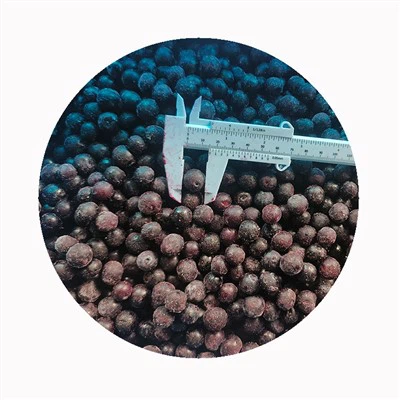
Does Eating Berries Frozen Change Their Nutrition?
Defrosting is not required to "activate" nutrients, and eating berries while frozen does not make their fiber disappear. However, saying that freezing "locks in all nutrients" is too absolute. A controlled comparison that included strawberries and blueberries found that retention of minerals, fiber and total phenolics depended on the commodity; most of the tested fresh and frozen commodities did not differ significantly for those measures. That result supports a qualified view, not a guarantee for every berry, nutrient, lot or storage period.
The more useful comparison is often between product forms. Plain unsweetened berries are different from fruit packed with syrup, sweetened berry preparation, juice concentrate or a finished dessert. Read the ingredient list and nutrition declaration on the actual pack. If thawed fruit releases juice, that liquid is part of the application result; whether to retain it depends on the recipe, not on a universal nutrition rule.
For everyday use, choose the form that fits the dish and your handling plan. Keeping berries frozen works well when cold temperature and body are useful. Partial or full thawing makes them easier to mix into yogurt, cereal or a plated dessert, but the fruit will usually be softer. Cooking can suit sauces and bakery fillings while also following a required heat instruction.

When to Use Berries Frozen, Partially Thawed or Fully Thawed
Use them frozen when the application benefits from low temperature
Confirmed ready-to-eat berries can go directly into a smoothie, where they add cold body without extra ice. Frozen berries can also enter hot oatmeal, sauces and many baked products without separate thawing when the recipe and package directions allow it. In a formula, account for the water they release and the extra time needed for the center of the fruit to warm. Large strawberries and small blueberries will not behave identically.
Partially thaw when bite and portioning matter
A brief softening period can make larger berries easier to chew and separate while retaining a cold texture. It also helps a blender process whole strawberries or a foodservice operator portion fruit more evenly. This step does not make a further-processing product ready to eat; it only changes handling. Keep the fruit under controlled refrigerated conditions rather than leaving a bulk quantity at room temperature.
Thaw fully when texture assessment is the goal
Full thawing is useful when a buyer or recipe developer needs to measure drip loss, inspect broken fruit, evaluate color bleeding or judge topping performance. Thaw in the refrigerator or follow the product's stated method, collect released liquid when the recipe needs it, and use the fruit within the pack's instructions. Refreezing after refrigerator thawing may be possible under some official guidance, but quality usually declines, so commercial plans should define the allowed condition instead of relying on an improvised decision.

For Buyers, Ready-to-Eat Is a Specification Decision
Importers, smoothie brands, yogurt and dairy processors, foodservice distributors, bakery manufacturers and retail private-label teams should declare the final application before approving a berry. A cold smoothie and a baked filling may use similar-looking fruit but follow different hazard-control plans. The specification should state whether the product is ready to eat or intended for further processing, the control basis for that designation, the required handling statement and the destination-market documentation. A certificate or end-product test can support verification, but neither substitutes for preventive controls across growing, harvesting, processing and packing.
Mixed berries add a traceability question
A mixed-berry bag can combine strawberries, raspberries, blackberries and blueberries from different lots or origins. The buyer should be able to connect each component to its supplier approval, lot identity and applicable controls, then connect the finished blend to its pack code. A vague "mixed fruit" description is not enough when one component, lot or country becomes subject to an alert. Acceptance should require a traceability route that supports a targeted hold or recall rather than treating every berry program as one undifferentiated batch.
Evaluate the same sample in three conditions
Review a representative sample frozen, partially thawed and in the real application. In the frozen state, check separation, excessive loose ice, berry ratio, size range and obvious defects. After thawing, measure or compare drip loss, softness, broken fruit and color migration. In the final recipe, judge flavor balance, visual identity and process performance. A blend that looks attractive in the bag may become too soft for a visible topping, while the same product may perform well in a smoothie or sauce. XMSD's IQF mixed berry page shows how blend composition and application review can be discussed before sample approval.
Make packaging and arrival checks part of acceptance
Packaging cannot create ready-to-eat status, but it protects the agreed frozen condition and makes identification more reliable. Review seal integrity, liner or pouch suitability, lot-code legibility, carton strength and handling instructions before shipment. At arrival, compare the recorded transport condition with the agreement, inspect pallet and carton damage, check for leakage or unusual clumping, and hold questionable lots for assessment. Our overview of frozen-food packaging and cold-chain protection illustrates the packaging points buyers can define for bulk, foodservice or retail programs.

XMSD sourcing note: Tell us whether the berries will be eaten without a further heat step, the required berry composition, application, packing format, destination and document list. We can then discuss the product specification and sample review around that intended use.
Final Thoughts from XMSD
Frozen berries do not need to be defrosted for every snack or recipe, but "still frozen" does not automatically mean "ready to eat." Check the label, product status, recalls and local guidance before an uncooked use. Treat texture, nutrition and safety as separate questions, and for commercial programs define the intended use, component traceability, sample acceptance, packaging and cold-chain checks before approving the specification.
References
- U.S. FDA: Strategy to Prevent Norovirus and Hepatitis A Outbreaks Associated with Berries
- U.S. FDA: FY 2019–2023 Microbiological Surveillance Sampling of Frozen Berries
- Food Safety Authority of Ireland: Advice to Boil Imported Frozen Berries
- USDA FSIS: Freezing and Food Safety
- Bouzari et al.: Mineral, Fiber and Total Phenolic Retention in Refrigerated and Frozen Produce