


Can You Buy Frozen Apricots? A Practical Buying Guide
Aug 16, 2019

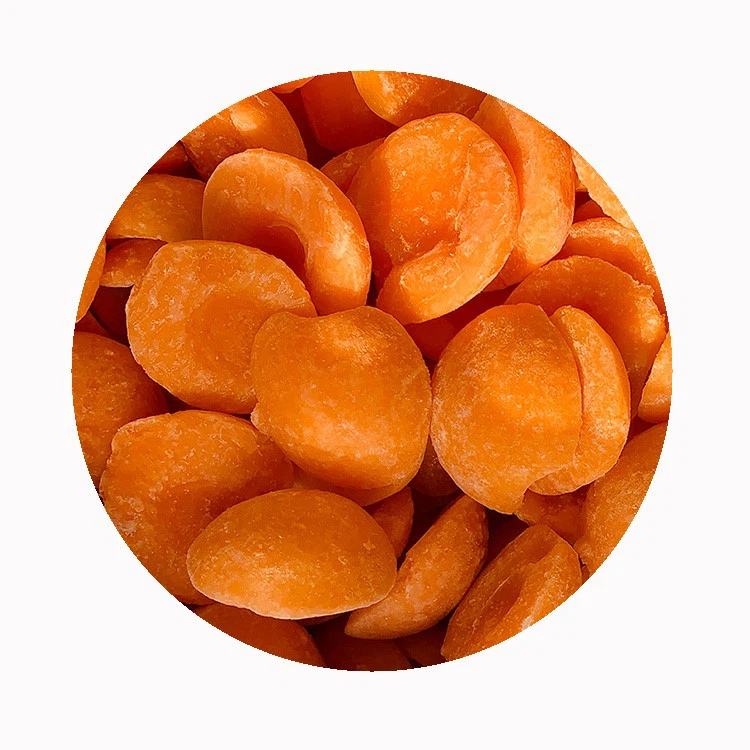
Yes, you can buy frozen apricots, although they are less consistently stocked in ordinary supermarkets than frozen berries, mango, or peaches. Retail shoppers may find them through specialty grocers, online frozen-food sellers, restaurant suppliers, or regional delivery platforms. Food manufacturers, importers, distributors, bakeries, dairy plants, beverage producers, and foodservice buyers can source them from IQF fruit suppliers in larger packs. Commercial products are commonly offered as pitted halves, slices, dices, or processing pieces; puree is a separate format and should not be treated as interchangeable with identifiable fruit.
The important question is therefore not only whether frozen apricots exist, but which product form, ingredient statement, quality level, packaging, and cold-chain condition fit the intended use. A visually attractive bag may still be wrong for a jam kettle, yogurt line, bakery topping, or retail program. For business orders, define the application first, then evaluate a representative sample after controlled thawing and confirm the written specification before comparing prices.
The short answer: Frozen apricots are commercially available in retail and bulk channels. Buy according to product form and application, and judge quality from the fruit, specification, package condition, documentation, and cold-chain evidence rather than from the word "frozen" alone.

Where Frozen Apricots Are Sold
Frozen apricots are a recognized commercial product, not a substitute invented when fresh fruit is unavailable. The USDA standard for frozen apricots describes fruit prepared from sound, mature apricots and recognizes halves, quarters, slices, dices, cuts, and machine-pitted styles. That range explains why a buyer may see very different products under the same broad name.
Availability depends on the channel. A retail store must justify freezer space and may stock apricot only seasonally, in a mixed-fruit bag, or through online ordering. Foodservice distributors are more likely to carry cartons for professional kitchens. Ingredient suppliers and frozen-fruit manufacturers serve customers who need repeat volume, a defined cut, or private-label packing. For current XMSD options, buyers can review the IQF frozen apricot product range before requesting a project-specific specification.
A listing that says "available all year" should still be checked against actual inventory, crop position, packing schedule, and destination. Freezing can separate use from the short fresh-fruit season, but it does not create unlimited stock. For a recurring program, the practical evidence is a confirmed supply plan and order schedule, not a general marketing phrase.

Choose the Product Form Before Choosing the Seller
The right frozen apricot is the one that performs in the final product. Large, intact halves can carry visual value in a tart or plated dessert, but that same premium appearance may add no value when the fruit will be milled into sauce. Dices improve dosing and distribution in yogurt or bakery fillings, while slices can give a more recognizable fruit layer. Puree works in beverages and smooth preparations but cannot replace visible pieces.
| Format | Strong fit | What to judge |
|---|---|---|
| Pitted halves | Toppings, tarts, desserts, visible-fruit retail packs | Symmetry, thickness, pit fragments, broken units, thawed firmness |
| Slices or dices | Yogurt, fillings, fruit blends, sauces, portioned foodservice | Cut range, clumping, fines, peel option, distribution after mixing |
| Puree or processing pieces | Beverages, jam, sauce, smooth fillings | Ingredient statement, concentration, sweetness basis, color, flavor, process yield |
Skin-on versus skin-off and blanched versus unblanched are also functional decisions. Skin may contribute visible specks or texture; removing it may improve a smooth preparation but adds processing. Blanching can change enzyme activity, color behavior, and texture. The preferred option depends on the formula and process, so a sample should be tested in the real heating, mixing, baking, or thawing condition rather than judged only while frozen.

What Freezing Changes-and What It Does Not Prove
Freezing slows microbial growth and extends the usable storage window when the product is handled correctly, but it is not sterilization. FDA guidance states that freezing does not kill most bacteria. A sound purchasing decision therefore still depends on raw-material controls, hygienic processing, an intact package, correct storage, and suitable instructions for the intended use.
Texture normally becomes softer after thawing because ice formation and thawing affect fruit structure. The amount of drip and loss of shape can vary with maturity, variety, cut, freezing rate, storage history, package protection, and the way the fruit is thawed. Quick freezing can help produce separate, portionable pieces, but it does not guarantee that every cell remains intact, that every nutrient is unchanged, or that every batch will perform identically.
Freezer burn is mainly a quality signal associated with moisture loss and inadequate protection, not automatic proof that the food is unsafe. By contrast, torn packaging, leakage, severe clumping combined with other thaw-refreeze signs, missing lot identification, or unexplained temperature exposure deserve closer review. Retail shoppers should follow the label; commercial buyers should define cold-chain and arrival conditions in the purchase specification.

Health-claim correction: Apricot flesh should not be promoted as an anticancer treatment. "Vitamin B17" is a marketing name associated with laetrile or amygdalin, not a recognized vitamin claim that proves cancer benefit. Amygdalin occurs in apricot kernels rather than the fruit flesh; scientific evidence does not support laetrile as an effective cancer treatment, and consuming large amounts of kernels can cause cyanide poisoning.
Match Frozen Apricots to the Intended Application
For bakery toppings and plated desserts, the buyer usually wants recognizable halves with reasonably consistent color and limited breakage. Acceptance should be assessed after the expected thaw or bake, because a frozen piece that looks firm may soften or release liquid during use. The sample decision should include appearance, flavor, drip, shape retention, and how the fruit behaves with dough, glaze, cream, or other components.
For jam, sauce, or fruit preparation, intact geometry may matter less than flavor, color, peel content, pit control, and process yield. Dices and controlled pieces can shorten preparation and support more even dosing. If sweetness is important, define the test method and ingredient basis instead of relying on a promotional adjective such as "sweet." Plain unsweetened fruit, syrup-packed fruit, and a sweetened preparation are different purchasing items.
For yogurt, dairy alternatives, smoothies, and beverage systems, evaluate how pieces distribute, whether they block dosing equipment, and how much liquid they release. A large consumer blender may tolerate variable pieces that an industrial depositor cannot. For foodservice, portioning speed and bag handling may matter as much as visual grade. These application tests turn a generic sample approval into evidence that the product works in the buyer's actual process.
How Professional Buyers Should Evaluate a Quote
1. Convert the application into measurable acceptance points
Begin with the style, cut range, skin option, ingredient statement, and intended process. For halves, agree how uniformity, off-suture cuts, broken units, pit material, peel residue, blemishes, and color will be assessed. These are not arbitrary concerns: USDA frozen-apricot standards also organize quality around color, size and symmetry, defects, and character. A buyer does not have to adopt a U.S. grade, but the categories provide a useful language for writing a clear private specification.
2. Test the sample twice: frozen and after use
A frozen inspection reveals piece separation, frost, color, foreign material, and pack condition. A controlled thaw or production trial reveals odor, flavor, drip, softness, breakage, and application performance. Record the sample identity and method so the result can be compared with shipment lots. Accepting a photograph without a traceable sample leaves the most important performance variables untested.
3. Treat packaging and cold chain as part of the product
The inner bag, seal, carton, label, pallet pattern, and frozen transport plan should match the channel. Retail packs need shelf presentation and compliant labeling; industrial users may prioritize robust liners, manageable carton weights, and efficient intake. XMSD's overview of frozen-food packaging options shows the kinds of details that can be discussed, but the order should state the selected material and format rather than rely on a general capability page.
4. Verify documents for the exact product, site, and destination
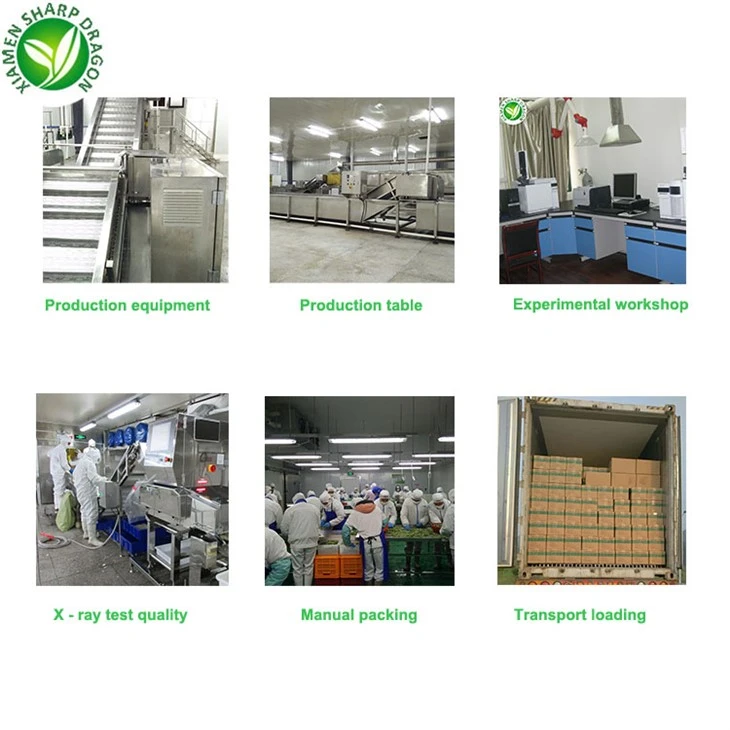
A certificate logo in a brochure does not establish current scope or validity. Ask for the current document, issuing body, certified legal entity and site, scope, expiry status, and relevance to the product and destination. Review the product specification, lot coding, ingredient and allergen statement where applicable, certificate of analysis or agreed test report, and shipment documents required by the importing market. The XMSD certification and compliance page is a starting point for requesting current originals, not a replacement for document review.
The same logic applies to pesticide residues. Frozen apricots are not automatically lower in residues than greenhouse or fresh fruit simply because they are frozen. Residue acceptance depends on raw material, agricultural controls, the destination-market limits, sampling, and the agreed evidence. A buyer should define which report is needed and how it relates to the shipment lot.

A Practical Order-to-Arrival Sequence
The order of checks matters because each stage should reduce uncertainty before the next commitment. A workable procurement sequence is:
- Define the use and specification. State the product form, cut, skin option, ingredient basis, quality criteria, pack format, destination, and expected volume.
- Review a representative sample. Check the frozen product and run a controlled thaw or application trial with recorded acceptance results.
- Approve packaging and documents. Confirm artwork or labels where relevant, carton configuration, lot coding, current certificates, tests, and import documents.
- Agree shipment controls. Define frozen transport, temperature expectations, loading information, and what evidence will accompany the shipment.
- Inspect on arrival. Check seal and carton condition, temperature evidence, lot identity, clumping or leakage, then sample the product against the approved method before releasing it to use.
Acceptance should distinguish safety, compliance, and commercial quality. A small cosmetic variation may be workable in a sauce but unacceptable in a premium visible-fruit pack. A broken seal, unexplained temperature deviation, or missing required document is a different category of risk and should follow the buyer's hold-and-review procedure.
Link the records across the sequence. The approved sample, signed specification, packaging approval, production lot, test report, shipping document, and arrival inspection should identify the same product and agreed requirements. A document can be genuine yet irrelevant if it covers another site, another lot, or a different specification. Traceable agreement is what allows a buyer to investigate a deviation and decide whether to release, rework, downgrade, or reject the affected goods.
The amount of evidence can be proportionate to the order. A small foodservice purchase from an approved local distributor may use established receiving controls, while a private-label import or repeated industrial program normally requires deeper document, pack, and application review. The exception does not remove responsibility; it changes which party has already performed each control and what the immediate buyer still needs to verify.
Buying and Handling Frozen Apricots at Retail
Retail shoppers should choose an intact bag, read whether the product is plain or sweetened, and follow the storage and preparation directions. The pieces should be frozen when purchased. Some loose separation is convenient, while a solid block may indicate either a block-frozen product or prior temperature fluctuation; the label and package condition help distinguish the two.
Thaw only the amount needed and keep the rest frozen. Refrigerator thawing gives more control than leaving fruit on the counter. Thawed apricots are usually softer than fresh ones, so they work especially well in compotes, sauces, smoothies, baking, and cooked desserts. If the package is damaged, leaking, or shows convincing evidence of thawing and refreezing, do not treat appearance alone as proof of safety.
Frequently Asked Questions
Are frozen apricots available all year?
They can be sold outside the fresh harvest season because frozen inventory extends availability. Retail stock still varies by location, and bulk continuity depends on crop volume, inventory, specifications, and production planning. Confirm current availability for the required pack and delivery window.
Can frozen apricots be eaten without cooking?
Follow the product label or supplier instructions. Freezing alone does not sterilize fruit, and products intended for further processing should not automatically be treated as ready to eat. Commercial buyers should make the intended-use status explicit in the specification and food-safety review.
Are plain frozen apricots the same as syrup-packed apricots?
No. Plain fruit, fruit packed with sweetening ingredients, puree, and prepared dessert products have different ingredient statements and functional behavior. Check the label or specification instead of assuming that every frozen apricot product is unsweetened.
What information should a bulk buyer send with an inquiry?
Send the intended application, preferred form and cut, skin or blanching preference if relevant, packing format, destination country, expected volume, delivery window, required documents, and any target test or acceptance criteria. This produces a more useful response than asking only for a price per ton.
XMSD sourcing note: We can discuss IQF apricot halves, slices, or dices against your application, packing plan, destination, and required documents. Share the product format and use so we can prepare a relevant specification or sample discussion.
Final Buying Decision
You can buy frozen apricots in consumer and commercial channels. The better purchase comes from matching the form to the use, checking the ingredient basis, testing quality after thawing or processing, confirming packaging and current documents, and defining cold-chain and arrival acceptance before shipment. That approach is more reliable than choosing by headline price, health claims, or a single frozen-product photograph.
References
- USDA Agricultural Marketing Service: Frozen Apricots Grades and Standards
- U.S. Food and Drug Administration: Are You Storing Food Safely?
- FoodSafety.gov: Four Steps to Food Safety
- U.S. Food and Drug Administration: Natural Toxins in Food
- National Cancer Institute: Laetrile/Amygdalin (PDQ)
- XMSD operational experience in frozen-fruit sourcing, IQF product-form selection, specification review, packaging coordination, and export cold-chain planning.