


Can You Eat Lychee During Pregnancy? Safety Guide | XMSD
Jan 10, 2019

Ripe lychee is not listed by the U.S. Centers for Disease Control and Prevention or Food and Drug Administration as a fruit that pregnancy automatically excludes. For most people, a modest serving of sound, washed, ripe lychee can fit into a varied pregnancy diet. The important controls are the same ones that make other fruit choices safer: wash fresh fruit before peeling, avoid spoiled or unripe fruit, keep cut fruit cold, choose pasteurized juice, read the frozen product's use instructions, and count the carbohydrate if glucose management matters.
That is general food information, not personal medical clearance. Pregnancy with diabetes, a known fruit allergy, a metabolic disorder, severe nausea, a medically restricted diet or any unusual reaction needs advice from the person's obstetric clinician or registered dietitian. A website article cannot know an individual history, medicines, glucose targets or pregnancy complications.
The short answer: A ripe, properly handled lychee is a normal fruit choice rather than a special pregnancy remedy or a standard prohibited food. A 100 g edible portion contains about 16.53 g carbohydrate and 15.23 g total sugars in the USDA SR Legacy record, so serving size matters when you are managing gestational or pre-existing diabetes. Choose whole fruit more often than syrup-packed, dried or juice forms, and follow professional advice when your glucose plan gives a specific fruit allowance.

What the Evidence Can Answer-and What It Cannot
There is no authoritative pregnancy guideline that assigns lychee a special daily allowance. Search results often replace that missing evidence with precise-looking claims: a fixed number of fruits, promises about fetal development, or warnings that any lychee is dangerous. Those statements go beyond what the main food-safety and nutrition sources establish.
CDC guidance focuses on the higher susceptibility to foodborne illness during pregnancy and identifies unwashed produce as a riskier choice. FDA's pregnancy produce guidance explains how to wash, store and prepare fruits and vegetables. USDA FoodData Central supplies composition values for raw lychee. Diabetes organizations explain that fruit carbohydrate belongs in the meal plan. Put together, these sources support a practical decision: use ripe fruit in an appropriate portion and control handling; do not market it as a treatment.
We also separate population evidence from an individual decision. A person without diabetes may not need to weigh every piece. A person monitoring post-meal glucose may need a measured serving and a dietitian-approved combination. Someone with a previous allergic reaction should not run a self-test during pregnancy. The same fruit can require different action because the medical context changes.
For product developers and retailers, the lesson is equally direct: pregnancy-themed copy needs legal and clinical review. "Contains vitamin C" can be assessed against the applicable nutrition-label rules. "Supports a healthy pregnancy," "prevents birth defects" or "controls gestational diabetes" is a much stronger claim and should not be inferred from the presence of one nutrient.
Lychee Nutrition on an Edible-Weight Basis
The USDA SR Legacy entry for raw litchis, FoodData Central ID 169086, reports values per 100 g edible portion. It lists 66 kcal, 16.53 g carbohydrate, 15.23 g total sugars, 1.3 g fiber, 0.83 g protein and 71.5 mg vitamin C. The edible basis excludes the peel and seed. A purchased kilogram of whole fruit is therefore not a kilogram of nutrient calculation weight.
| USDA raw lychee reference | Per 100 g edible portion | Why the number matters |
|---|---|---|
| Energy | 66 kcal | Supports serving calculation, not a health promise |
| Carbohydrate | 16.53 g | Relevant to a diabetes meal plan |
| Total sugars | 15.23 g | Naturally occurring in the raw reference food |
| Fiber | 1.3 g | Whole fruit retains structure that juice does not |
| Vitamin C | 71.5 mg | A composition value; actual food and storage vary |
Do not copy the raw value directly onto frozen-product artwork. Variety, maturity, peeling, pitting, freezing, storage, thawing, sampling and analytical method can change the result. Destination labeling rules may require laboratory data, an approved database, rounding and a defined serving. Confirm the product-specific nutrition panel.
Lychee is not a major protein, iron, calcium or folate source in this record. That matters because pregnancy content sometimes builds a complete prenatal nutrition story around one fruit. A varied diet and prescribed prenatal supplements do the larger job. Lychee can contribute fruit, fluid, carbohydrate and vitamin C, but it does not replace medical nutrition guidance.
Portion Math for Glucose Management
Fruit contains carbohydrate. The American Diabetes Association advises counting it within the meal plan and notes that a small whole fruit or about one-half cup fruit salad can fit a plate-method meal. That is general diabetes education, not a lychee prescription. Gestational diabetes targets and meal patterns are individualized, and the care team's plan takes priority.
Worked example: You weigh 120 g of peeled, pitted raw lychee. Using the USDA value, estimated carbohydrate is 120 ÷ 100 × 16.53 = 19.84 g. Estimated total sugars are 120 ÷ 100 × 15.23 = 18.28 g. Those are database estimates for raw edible fruit, not a prediction of an individual glucose response. A clinician may recommend a different serving or food combination.
Use edible weight, not the weight of peel and seed. For frozen peeled and pitted lychee, the pack weight may be close to edible weight after accounting for glaze, drip loss or syrup. For whole in-shell fruit, first measure the edible recovery of the actual lot. A household count of "eight lychees" can vary because fruit size and pit size vary.
Whole fruit is usually easier to fit into a measured plan than lychee juice, sweetened nectar, heavy syrup or dried lychee. Liquid and dried forms concentrate or deliver carbohydrate differently and may include added sugar. Read the label for total carbohydrate per stated serving and compare the serving with the amount actually poured or eaten.
If post-meal readings are outside the prescribed target, do not conclude that lychee is "toxic" or try to eliminate all carbohydrate without advice. Record the product form, edible grams, accompanying foods, time and glucose result, then review the pattern with the diabetes team.
Wash Fresh Lychee Before You Peel It
A peel that is not eaten can still transfer contamination to hands, knives, boards and flesh. FDA advises rinsing produce thoroughly under running water before eating, cutting or cooking, including produce that will be peeled. Remove damaged or bruised areas and discard rotten produce. Drying with a clean cloth or paper towel can further reduce surface bacteria.
Do not wash fruit with soap, detergent or bleach. FDA and FoodSafety.gov do not recommend those products for produce. Wash hands before and after preparation, keep the fruit away from raw meat and its utensils, and use a clean board. These ordinary steps matter more than internet "detox" methods.
Reject fruit with fermentation odor, leaking flesh, extensive mold, decay or damaged peel that has exposed the flesh. Refrigerate peeled or cut lychee promptly in a clean covered container. If cut fruit has remained at unsafe room temperature for an extended period, discard it rather than relying on smell alone.
At foodservice scale, write the receiving temperature, wash method, potable-water requirement, hand-contact control, utensil sanitation, time out of refrigeration and discard rule. The pregnancy customer cannot see the back-of-house controls, so the operator must validate them.

Fresh, Frozen, Canned, Dried and Juice Are Different Foods
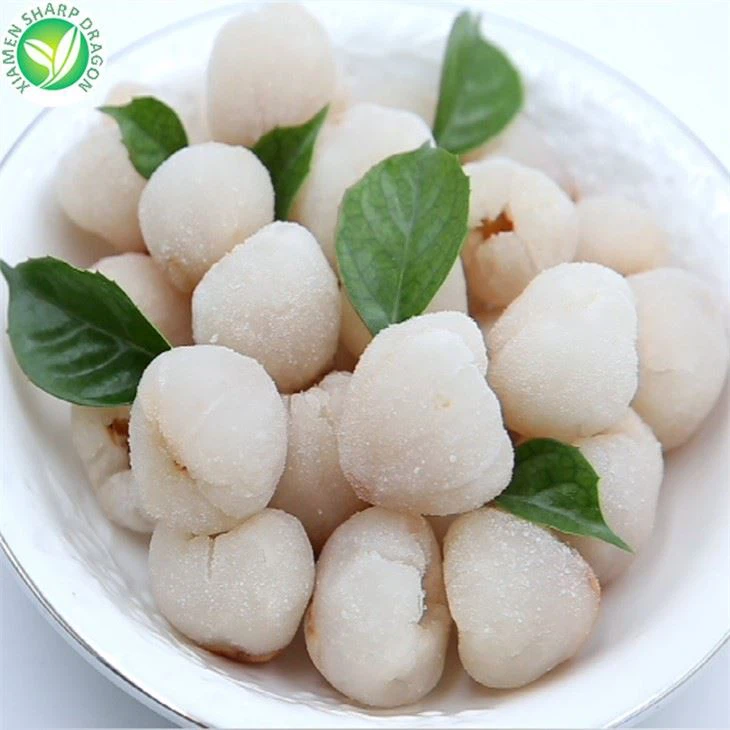
Fresh whole lychee requires washing, peeling and pitting. Frozen peeled and pitted lychee saves preparation and can provide year-round portioning, but the label must say whether the product is ready to eat or requires further treatment. Freezing does not sterilize food. If the package directs cooking or another preparation, follow it.
Canned lychee may be packed in juice, light syrup or heavier syrup. Drain weight and nutrition values can differ from the full contents. A pregnant person monitoring carbohydrate needs the declared serving and total carbohydrate, not an assumption based on fresh fruit. Rinsing may remove some surface syrup but does not turn a sweetened product into the raw USDA reference.
Dried lychee loses water and concentrates carbohydrate per gram. A small-looking portion can carry much more carbohydrate than the same weight of fresh fruit. Juice and nectar remove or disrupt much of the whole-fruit structure and may include added sugars. FDA also warns pregnancy consumers to avoid unpasteurized juice unless it has been brought to a rolling boil for at least one minute.
For commercial users, our IQF frozen lychee page separates whole, peeled, and peeled-and-pitted formats. The product form changes labor, edible yield, pit-fragment control, serving calculations and label wording, so name it precisely in an RFQ.

Ripe Fruit, Unripe Fruit and the Hypoglycemia Reports
Lychee is associated in scientific literature with methylenecyclopropylglycine and hypoglycin A. Outbreak investigations and analytical research have focused on acute hypoglycemic encephalopathy, especially among undernourished children consuming large quantities of lychee, often unripe fruit, with an empty evening meal. This serious context should not be converted into the claim that a normal serving of ripe lychee causes pregnancy hypoglycemia.
A 2020 study detected both compounds in the edible aril of three Chinese cultivars and reported higher MCPG in unripe than ripe fruit. The work supports maturity control and cautions against eating unripe fruit. It does not establish a pregnancy-specific safe number of ripe lychees, and it does not prove that ordinary commercial ripe fruit is risk-free under every circumstance.
The practical action is proportionate: choose sound, ripe fruit; do not eat the seed; avoid relying on large amounts of lychee as a meal; and seek urgent medical help for confusion, fainting, seizures or other severe symptoms. A person using glucose-lowering medicine or living with a metabolic condition should ask the care team how lychee fits the plan.
For suppliers, maturity cannot be a vague "sweet enough" statement. Define variety, appearance, Brix where relevant, texture, defects, fermentation, ripeness and raw-material acceptance. The broader XMSD frozen fruit range shows how product forms differ; each lychee specification still needs order-level maturity and quality criteria.
Allergy, Choking and Other Individual Risks
Allergic reactions to lychee are possible. Itching or tingling in the mouth, hives, swelling, vomiting, wheezing or breathing difficulty after eating fruit requires medical attention, with emergency care for breathing problems, throat swelling, faintness or a rapidly worsening reaction. Pregnancy is not the time to deliberately challenge a food that previously caused symptoms.
Whole lychee contains a hard seed. Remove it before blending, portioning for a child, or using the fruit in a dessert where the seed is not expected. For peeled-and-pitted industrial product, define the pit and pit-fragment tolerance and use sorting and detection controls appropriate to the hazard assessment. "Pitted" should not be treated as proof that physical-hazard risk is zero.
Acid reflux, nausea, oral sensitivity or digestive symptoms can also make a sweet, aromatic fruit uncomfortable even without allergy. Use a smaller serving, avoid forcing the food for a supposed pregnancy benefit, and discuss persistent symptoms with the clinician. The correct food decision is the one that fits the medical plan and is tolerated.

What a Pregnancy-Suitable Commercial Lychee Program Must Control
A food company should not label a product "pregnancy safe" simply because lychee is not on an avoid list. Safety depends on the raw material, intended use, process, sanitation, environmental monitoring, packaging, cold chain, shelf life and consumer instructions. The hazard analysis should determine whether the frozen product is ready to eat, not ready to eat, or an ingredient for further processing.
For ready-to-eat frozen fruit, the program must address pathogens relevant to the product and process without assuming the consumer will cook it. For a product requiring cooking or pasteurization in the finished application, the label and buyer documents must make that status clear. The destination market and customer specification set the legal criteria.
Control peel residues, pit fragments, damaged flesh, discoloration, fermentation, foreign material, pesticide residues and package integrity. Confirm the COA format and test plan instead of copying microbiological limits from an unrelated website. The XMSD food-processing supply page explains the specification and repeatability questions to bring to the discussion.
Practical example: A café wants a 150 g lychee smoothie serving. If the formula uses 100 g frozen lychee based on the raw USDA reference, lychee alone contributes an estimated 16.53 g carbohydrate before milk, yogurt, juice, syrup or other fruit. The product team should calculate the complete recipe, verify the actual ingredient data, define pasteurization status for any juice, and have the final nutrition and pregnancy marketing copy reviewed for the destination market.

Label and Menu Claims Need Restraint
A nutrition fact and a health outcome are not the same statement. "Vitamin C: X mg per serving" is a measured composition declaration subject to local rules. "Improves immunity during pregnancy" or "supports fetal brain development" implies an outcome and requires a different evidence and regulatory review. Do not turn a database entry into a therapeutic claim.
Menus and e-commerce pages should state product form, ingredients, added sugar, serving size, allergen information where applicable, storage, preparation and whether the juice is pasteurized. If the pack contains whole lychee, warn about the seed in a market-appropriate way. If the fruit is pitted, keep physical-hazard controls and complaint records.
Our frozen food supply solutions are organized around retail, foodservice and processing needs. For lychee, tell us the final channel and intended use so we can review a whole, peeled or peeled-and-pitted format, packing, documents and cold-chain plan without inventing a consumer health promise.
A Simple Decision Checklist
- Choose ripe, sound fruit; discard unripe, moldy, fermented or decayed fruit.
- Wash fresh whole lychee under running water before peeling; do not use soap or bleach.
- Remove peel and seed; protect peeled fruit from cross-contamination.
- Keep cut or thawed fruit refrigerated and follow the product's time and storage instructions.
- Choose pasteurized juice and follow the frozen pack's ready-to-eat or cooking directions.
- Count edible grams and total carbohydrate when a diabetes plan requires it.
- Avoid self-testing after a previous allergy; seek urgent care for severe reactions.
- Treat medical complications and personalized targets as clinician decisions.
This checklist is intentionally ordinary. Pregnancy food advice is safer when it relies on sound produce, clean handling, correct temperature, appropriate portions and personal medical guidance-not when a tropical fruit is presented as either a cure or a forbidden food without evidence.
For a buyer specification, include product form, intended use, ready-to-eat status, maturity, Brix or sweetness requirement, size, pit-fragment control, defect tolerances, pack, storage, destination, test plan and document list. Our XMSD frozen product directory helps you place lychee alongside the rest of a retail, foodservice or processing range.

If you source IQF lychee for retail, foodservice, desserts or beverages, discuss your frozen lychee specification with XMSD. We will review product form, intended use, pack, destination and required documents for the current project.
FAQ About Lychee During Pregnancy
How many lychees can you eat during pregnancy?
No authoritative source gives one pregnancy-specific fruit count for everyone. Fruit size varies, and medical needs differ. A measured edible portion is more useful than a piece count. If diabetes or another condition affects your diet, use the serving set by your clinician or dietitian.
Is frozen lychee safe to eat without cooking?
Check the package. Some frozen fruit is intended for direct consumption; other product is an ingredient requiring further treatment. Freezing does not sterilize fruit. Follow the ready-to-eat status, preparation instructions, storage directions and any pregnancy advice from your clinician.
Is lychee too high in sugar for gestational diabetes?
Raw lychee contains about 16.53 g carbohydrate per 100 g edible portion in the USDA record. Whether it fits depends on your portion, the rest of the meal, glucose response and prescribed plan. Measure the edible amount and ask the diabetes care team rather than using a universal yes or no.
Should you avoid lychee because of the hypoglycemia reports?
The reports involved a specific severe context, notably undernourished children, large exposure, unripe fruit and missed meals. They support choosing ripe fruit and avoiding excessive intake of unripe lychee on an empty stomach. They do not establish that every ordinary ripe serving is unsafe during pregnancy.
References
- CDC, Safer Food Choices for Pregnant Women, updated January 2025.
- U.S. FDA, Fruits, Veggies and Juices: Food Safety for Moms-to-Be.
- USDA FoodData Central, Litchis, raw, FDC ID 169086.
- American Diabetes Association, Best Fruit Choices for Diabetes.
- Wu et al., Detection of toxic methylenecyclopropylglycine and hypoglycin A in litchi aril of three Chinese cultivars, Food Chemistry, 2020.