


Can I Substitute Frozen Corn for Canned Corn?
Aug 15, 2019

Yes. Frozen whole-kernel corn can replace drained canned whole-kernel corn in most soups, stews, casseroles, rice dishes, sauteed dishes, salads, and bakery fillings. Start by matching the amount of edible kernels the recipe expects: if it gives cups or grams of drained canned corn, use the same volume or weight of frozen kernels. If it gives only a can size, check the can's drained weight rather than assuming that the full package weight is corn.
The swap is not completely invisible. Frozen kernels are commonly firmer and may carry surface ice, while canned kernels are fully heat-processed, softer, and packed in liquid. Frozen corn can usually go straight into a dish that will cook long enough to heat it through. For cold salads, quick pan cooking, roasting, or a batter whose moisture balance matters, follow the frozen product's cooking directions, cool it safely if needed, and drain or dry the kernels before adding them. Do not make a direct swap for cream-style corn or for a recipe that deliberately uses the canning liquid without adjusting the recipe.
The short answer: Use frozen whole-kernel corn cup for cup or gram for gram in place of drained canned kernels, then adjust for moisture, cooking time, texture, and seasoning. Cream-style corn and recipes that use the canning liquid need a separate reformulation.

Match the Corn Form Before You Measure
A successful substitution starts with product identity, not the word "corn." Canned whole-kernel corn, canned cream-style corn, frozen loose kernels, frozen kernel blocks, whole cobs, and cob segments behave differently. Only loose whole kernels are a straightforward replacement for drained canned whole kernels. Cob products add an inedible core and cannot be converted by total package weight.
When a recipe states "one can," read the label for net weight and drained weight. The liquid is part of the net contents but may not be part of the recipe yield. For a kitchen recipe, matching cups of drained kernels is usually practical. For a foodservice or factory formula, matching drained edible weight is more repeatable because cup measurements change with kernel size, settling, and how firmly the cup is filled.

Frozen Corn and Canned Corn Behave Differently
Both formats can work, but their processing histories change the result. Quick-frozen vegetables may be washed, cut, blanched, cooled, and frozen, depending on the product. Canned corn receives a more extensive heat process inside a sealed container. That commonly gives canned kernels a softer bite and makes them ready for immediate use once the container is safely opened, while a frozen product must be handled and cooked according to its label.
| Decision point | Frozen whole kernels | Canned whole kernels |
|---|---|---|
| Measurement | Measure the kernels as the recipe directs | Use drained kernel volume or weight unless the liquid is required |
| Texture | Usually firmer; performance depends on blanching, freezing, storage, and final cooking | Usually softer because of the canning heat process |
| Moisture | May release water or carry surface ice during heating | Packed in liquid that is normally drained for a direct swap |
| Preparation | Follow package cooking directions; do not assume "blanched" means ready to eat | Open, inspect, drain if required, and add at the stage that avoids overcooking |
| Storage system | Requires continuous frozen storage | Shelf-stable while the commercial container remains intact and is stored as directed |
The table describes common patterns, not a universal specification. A fully cooked frozen product may need only reheating, while another frozen product may be labeled ready to cook. Canned products also vary in salt, sugar, packing medium, kernel maturity, and drained yield. The package and specification take priority over appearance.

How to Make the Substitution Work
Use a short sequence because each decision affects the next. First, confirm that the recipe means drained whole-kernel corn rather than cream-style corn. Second, match the edible amount by volume for a household recipe or by drained weight for a controlled formula. Third, decide whether the frozen corn can enter the cooking step directly or needs separate cooking, cooling, draining, or drying. Finally, adjust the recipe only after observing the actual moisture and texture.
- Identify the canned product. Whole kernels are the normal target. Cream-style corn contains a starchy liquid phase and is not a direct substitute.
- Match usable kernels. Replace one cup of drained canned kernels with one cup of frozen kernels. For production, convert the formula using drained weight and verify yield in a test batch.
- Choose the preparation route. Add frozen corn directly to a thoroughly cooked soup or casserole when the product directions allow it. Cook and cool it first for a cold application unless it is specifically identified as ready to eat.
- Correct the final balance. Drain released water for roasting or pan cooking, add liquid gradually when a soup becomes too thick, and season only after checking the salt and sweetness of the finished dish.
Thawing is therefore conditional, not mandatory. A soup, stew, baked casserole, or hot sauce can often accept frozen kernels directly because the dish supplies a complete heating step. Roasting and high-heat pan cooking perform better when excess surface moisture is removed. For batter, fritters, cornbread, or a chilled salad, uncontrolled meltwater can alter consistency, so separate preparation is usually the safer formulation choice.
When Frozen Corn Is the Better Fit
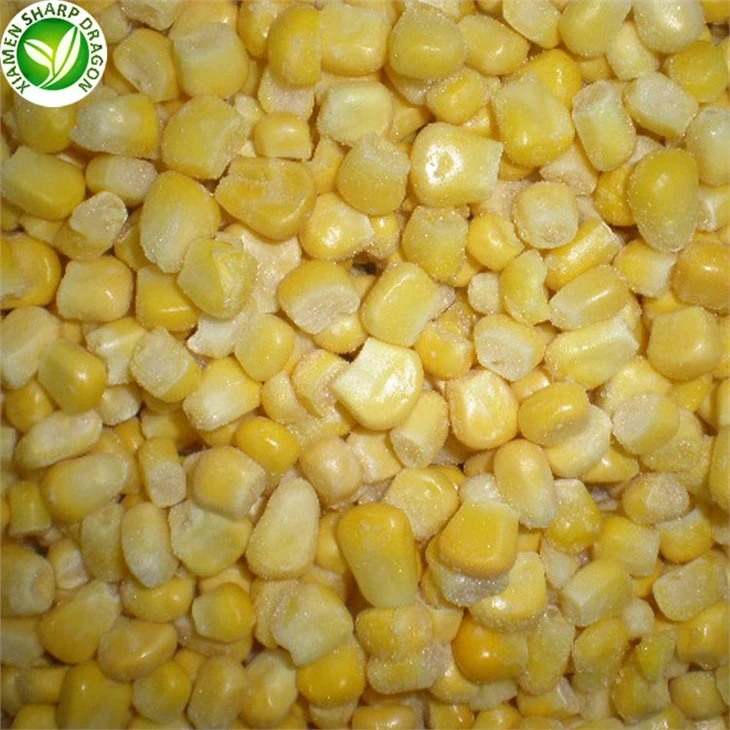
Frozen corn is often the more useful format when the finished dish needs separate, firmer kernels. It can suit stir-fries, fried rice, vegetable blends, pizza toppings, roasted sides, soups, ready meals, and fillings in which the corn must remain visually distinct. The advantage is functional rather than absolute: a product that has suffered temperature fluctuation or excessive surface ice may release more water and perform poorly.
For browning, cook off or remove surface moisture before expecting color development. For a cold salad, follow the package's cooking direction and cool the corn promptly before mixing it with other ingredients. For a long-cooked soup, add the kernels late enough to preserve texture but early enough to complete the required heating step. Test the actual brand because blanching status, kernel maturity, size distribution, and freezer history all change the result.
When Canned Corn Still Makes More Sense
Canned corn remains useful when shelf storage, immediate opening, a tender texture, or a specific packing liquid matters more than a firm kernel. It can be the simpler option for emergency stocks, small kitchens with limited freezer capacity, quick toppings, soft dips, and formulas already developed around a defined drained yield. It is also the correct starting point when the recipe specifically calls for cream-style corn.
Do not replace the canning liquid blindly with water. That liquid may contribute salt, sweetness, starch, and dissolved corn solids. If the recipe needs it for body, frozen kernels plus plain water will not automatically reproduce the same viscosity or flavor. Either keep the canned format or reformulate with a controlled liquid and thickening system, then compare the result in the intended serving condition.
XMSD's current canned sweet corn page also shows why buyers should distinguish net weight from drained weight. The relevant purchasing number for a kernel-for-kernel substitution is the usable drained yield defined for the selected pack, not a generic can label.

Is Frozen Corn Healthier or Safer?
Neither preservation method makes every product healthier. Research comparing fresh, frozen, and canned produce shows that nutrient changes depend on the vegetable, nutrient, processing method, storage, cooking, and moisture basis. Frozen corn should not be described as retaining all nutrients, and canned corn should not be dismissed as nutritionally empty. Compare the ingredient list and Nutrition Facts panel for the exact products, especially when sodium, added sugar, or sauce affects the decision.
Food safety also needs a format-specific judgment. Freezing stops bacterial growth under proper frozen storage but does not kill most bacteria, so FDA guidance says to follow the cooking instructions on commercially frozen food. Commercial canned corn in an intact container is not expected to develop mold merely because it is sealed. Reject a can that is leaking, bulging, badly damaged, or behaves abnormally when opened; never taste a suspect product to decide whether it is safe.
Safety note: For a cold salad or salsa, do not assume frozen corn is ready to eat because it was blanched. Follow the label's cooking direction, cool the cooked corn promptly, and keep the finished dish refrigerated. Discard damaged or suspect cans rather than sampling their contents.
What Foodservice and Industrial Buyers Should Test
The first buyer decision is usable yield. Compare frozen net weight with canned drained weight, then calculate the actual kernels delivered to the formula. A lower case price can be misleading when one format includes packing liquid, requires more storage energy, produces more packaging waste, or changes labor at opening, draining, cooking, and portioning. Define the comparison on the same edible-weight and finished-serving basis.
The second decision is application performance. Request the product form, ingredient statement, heat-treatment status, kernel size or grade, defect tolerance, packing medium, and preparation direction. Run a representative pilot in the actual soup, sauce, fried rice, salad, bakery filling, or ready meal. Accept the substitute only when yield, kernel integrity, water release, sweetness, salt balance, color, and hold time remain within the product's agreed sensory and processing limits.
The third decision is distribution fit. Frozen corn needs a maintained cold chain and packaging that resists low-temperature handling; canned corn needs intact seams and protection from damage. Review storage capacity, route duration, pallet condition, package integrity, temperature records for frozen loads, and the arrival sample. The current XMSD frozen corn range identifies kernels, whole cobs, and cob segments, while our frozen packaging guidance explains the variables buyers can align with channel and transport requirements.

Arrival inspection should connect back to the intended use. Free-flowing kernels with only light, expected surface frost may be acceptable for portioning, while a solid mass, torn bags, heavy dehydration, or evidence of temperature abuse calls for investigation. For canned product, swollen or leaking containers are rejection signals. Document the agreed sampling method and corrective action before shipment so a visual difference does not become an improvised decision at receiving.

XMSD sourcing note: Tell us the application, required kernel form, target edible yield, cooking status, pack format, and destination market. We can discuss a frozen corn specification and representative sample for comparison with your current canned formula, subject to the agreed product requirements.
Final Thoughts from XMSD
Frozen whole-kernel corn is a practical substitute for drained canned kernels in most recipes. Match the edible amount, follow the frozen product's cooking directions, and adjust water, timing, texture, and seasoning in the finished dish. Keep canned corn when its soft texture, shelf stability, cream-style consistency, or packing liquid is part of the recipe. For commercial use, approve the change through a same-yield pilot and written acceptance criteria rather than treating the two pack weights as automatically equivalent.
References
- U.S. Food and Drug Administration: Are You Storing Food Safely?
- U.S. Food and Drug Administration: Food Tampering, An Extra Ounce of Caution
- Codex Alimentarius: Standard for Quick Frozen Vegetables (CXS 320-2015)
- UC Davis: Nutritional Comparison of Fresh, Frozen and Canned Fruits and Vegetables, Part I
- USDA SNAP-Ed: Corn Bread Recipe Using Fresh, Frozen, or Drained Canned Kernels
- XMSD operational experience in frozen corn form selection, application testing, packaging, cold-chain handling, and B2B export coordination.