


Can You Eat Corn at Night? Portions, Meals and Timing
Jul 30, 2019

Yes. Plain cooked corn can be eaten at night. The clock does not make corn sugar impossible to digest, and eating corn after sunset does not automatically cause weight gain. What matters is the edible portion, the product form, what else is in the meal, your total eating pattern, how close the meal is to lying down, and whether you experience reflux, bloating, or disrupted sleep.
"At night" can mean a 7 p.m. dinner, an 11 p.m. snack before bed, or a meal during an overnight shift. Those situations have different goals and constraints. A measured serving of plain sweet-corn kernels alongside vegetables and protein is different from a large bowl of buttery popcorn, fried corn chips, or cream-style corn eaten immediately before lying down.
If you have nighttime gastroesophageal reflux symptoms, NIDDK notes that eating meals at least three hours before lying down or going to bed may improve symptoms. That guidance addresses reflux timing, not a special danger from corn. Individual medical diets, diabetes care, allergy, digestive conditions, and therapeutic weight plans require personalized advice based on the actual food and person.
The short answer: Corn has no universal nighttime ban. Treat it as a starchy food with a measurable portion. Build the complete meal, check sauces and seasonings, leave appropriate time before lying down if reflux is a concern, and judge your repeat response rather than relying on a clock-based rule.

Night Does Not Switch Digestion Off
Digestion continues at night. The body does not reach a cutoff at which corn carbohydrate suddenly cannot be processed. Sleep, circadian rhythms, meal timing, and metabolism interact, but that does not support a simple rule that one ordinary food becomes fat because it was eaten after a named hour.
Body-weight change is influenced by energy intake and expenditure over time, along with many behavioral and physiological factors. A nighttime corn serving has calories, just as a daytime serving does. Adding food beyond what you otherwise need can change the overall pattern; shifting a planned serving from lunch to dinner is not the same action.
Questions about body-weight change require the longer-term intake and activity pattern, not a promise based on one evening food. For the immediate timing decision, identify the corn form, calculate the serving, decide whether it replaces or adds to another starch, and consider proximity to sleep. The corn portion and balanced-meal guide explains how to build the full meal without promising weight loss.
A clock rule can hide the product itself. Plain kernels, butter sauce, cheese powder, caramel coating, chili, fried chips, and corn syrup do not share one ingredient list or serving density. A large, rich snack may affect comfort and total intake differently from a plain side, regardless of whether either is eaten at 3 p.m. or 9 p.m.

Define Which Nighttime Situation You Mean
Dinner: Corn can serve as the meal's starchy vegetable or as one component of a mixed side. Decide whether it replaces part of rice, pasta, bread, or potato, or whether it is being stacked on top of them. Add other vegetables and a suitable protein food according to your needs and preferences.
Late snack: First distinguish physical hunger from habit or eating to stay awake. Then name the form and portion. A small bowl of plain kernels is not equivalent to a large cinema-style popcorn with oil and salt or a bag of fried corn chips. Read the complete label when the product is packaged.
Overnight shift: "Night" occurs during the work period, not necessarily immediately before sleep. Plan meals around the actual wake-sleep schedule, access to refrigeration and reheating, break timing, and the work's physical demands. A blanket 8 p.m. cutoff is not meaningful for someone whose shift ends at sunrise.
Pre-sleep eating: Meal size, fat, spice, acidity, alcohol, caffeine, and carbonation may affect comfort or sleep. If reflux occurs at night, follow condition-specific clinical advice; NIDDK's general guidance includes leaving at least three hours between a meal and lying down. Do not treat corn as the only variable when the meal is complex.
The distinction changes the action. Dinner calls for meal balance. A snack calls for hunger, portion, and label review. Shift work calls for schedule and food-safety planning. Pre-sleep symptoms call for timing and medical context. The word "night" alone contains none of those details.
Calculate the Portion before Judging the Time
USDA SNAP-Ed presents a one-cup, 145 g serving of corn with about 125 kcal, 27 g carbohydrate, 3 g fiber, and 5 g protein. These are reference values for a named serving, not a universal specification for every variety, maturity, cooking method, or commercial product.
Worked example: An evening meal uses 80 g of plain sweet corn. Against the 145 g reference, the corn contributes an estimated 80 ÷ 145 × each value: 69.0 kcal, 14.9 g carbohydrate, 1.66 g fiber, and 2.76 g protein. The rest of the plate determines the complete meal; this calculation neither predicts weight change nor sets a personal carbohydrate target.
Now ask what the 80 g replaces. If it substitutes for part of another starchy side, the meal changes differently than if it is added to an unchanged rice portion, bread, dessert, and sweetened drink. Substitution and addition cannot be described by the same "corn at night" rule.
For corn on the cob, gross weight includes inedible cob. Weigh edible kernels or use a defensible edible-yield factor. For canned corn, check drained versus undrained basis and sodium. For a mixed vegetable bag, use the actual corn percentage. For popcorn or chips, use the package serving and complete nutrient panel.
The sweet-corn nutrient and product-form guide provides a deeper evidence boundary. At night, the same rule remains: use the data for the food actually eaten, not a generic number attached to the crop name.

Product Form and Preparation Change the Answer
| Corn form | Nighttime decision | Check first |
|---|---|---|
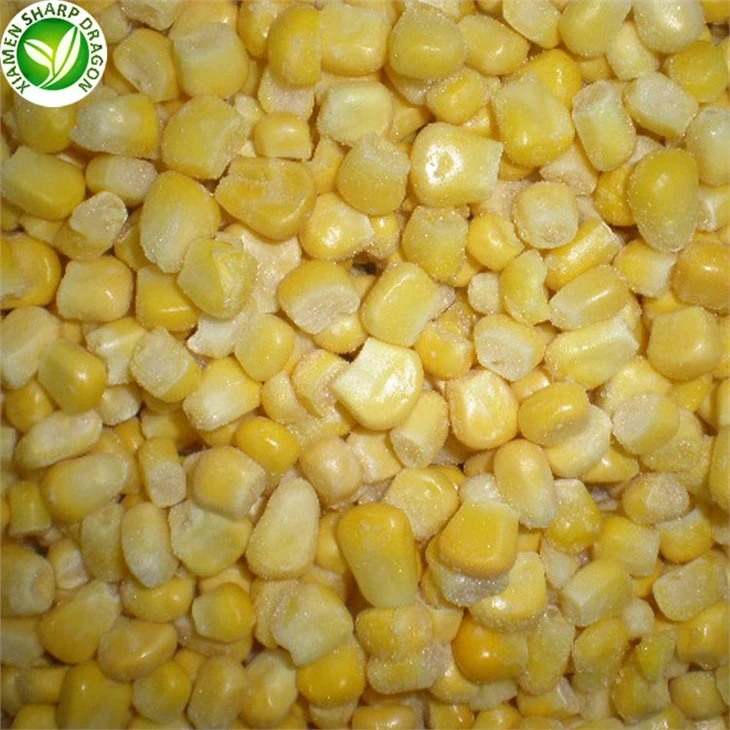
| Plain cooked or IQF kernels | Portionable dinner side or inclusion | Edible grams, other starches, seasoning |
| Cob or cob segments | Visible portion but variable edible yield | Kernel mass, butter, salt, tenderness |
| Creamed, cheesy, spicy or sauced corn | Prepared dish; may feel heavier near sleep | Fat, spice, dairy, sodium, full serving |
| Popcorn, chips or sweet coating | Snack, not equivalent to sweet-corn side | Oil, salt, added sugar, serving density |
Plain freezing is a preservation method, not a nighttime health category. A bag containing only corn lets you control preparation and seasoning. A frozen butter-sauce SKU is a different formula. Read ingredients, serving weight, calories, carbohydrate, fiber, sodium, saturated fat, and added sugars as relevant to your decision.
Cooking method affects texture and additions. Boiled, steamed, or microwaved kernels can remain simple. Sautéing or roasting may add oil. Cheese sauce adds another food. Caramel corn introduces sugar and often fat. The time of day does not erase those formulation differences.
Practical example: Compare two 10 p.m. choices. Option A is 80 g plain kernels included in a planned shift meal with vegetables and protein. Option B is a large bag of cheese-flavored corn chips eaten during screen time immediately before sleep. The corn origin is shared, but purpose, form, portion, fat, sodium, meal context, and proximity to sleep are not. Evaluate the two foods separately.
Use a Repeatable Evening-Food Decision
1. Fix the sleep context. Record expected bedtime or, for shift work, the next planned sleep period. "After 8 p.m." is not enough. A meal four hours before sleep presents a different reflux and comfort context from a snack eaten ten minutes before lying down.
2. Name the complete corn food. Write plain kernels, buttered cob, cream-style corn, popcorn, chips, tortilla, cereal, or another product. Copy sauces, seasonings, and ingredient statements. This step prevents a response to chili, fat, dairy, or a sweet coating from being assigned automatically to plain corn.
3. Weigh the edible serving. Use kernels rather than gross cob weight. For a packaged item, note the declared serving and the amount actually consumed. For a mixed meal, record corn inclusion and the total plate. A scoop or "one bowl" can vary too much to support a useful comparison.
4. Decide substitution versus addition. Identify other starches and snacks. Corn replacing part of rice produces a different total from corn added to the same rice, bread, dessert, and sweetened drink. This distinction is necessary before making any statement about the evening meal's energy or carbohydrate.
5. Record comfort and sleep without promising causation. Note fullness, reflux, bloating, bowel symptoms, sleep onset, and awakenings. Repeat patterns are more useful than one night, yet timing alone cannot diagnose the cause. Stress, alcohol, caffeine, illness, medication, and the earlier diet may also matter.
6. Take the proportionate action. A mild issue may justify changing portion, richness, or interval before sleep one variable at a time. Recurrent or severe symptoms, breathing difficulty, blood, repeated vomiting, or clinician-directed restrictions require qualified care. Do not continue self-testing to prove a food theory.
This process does not create a universal "best time" to eat corn. It makes the actual choice visible and preserves the information needed to compare two evenings. The result may support keeping corn at dinner, reducing a snack portion, changing a rich recipe, moving the meal earlier, or asking for clinical guidance.
For a useful comparison, keep the observation window realistic. One comfortable night cannot establish that corn improves sleep, and one uncomfortable night cannot establish intolerance. If a mild pattern seems repeatable, compare the same plain serving and similar meal under similar timing rather than changing portion, sauce, bedtime, and caffeine together. Stop the comparison when symptoms are concerning. The goal is a practical meal decision with fewer confounding changes, not a self-diagnosis or a claim that applies to everyone.

Reflux, Bloating, and Sleep Require Individual Context
Nighttime reflux is the clearest reason timing may change advice. NIDDK says eating at least three hours before lying down or bed may improve GERD symptoms. It also identifies commonly reported triggers that can include high-fat, spicy, acidic, caffeinated, alcoholic, or mint-containing foods, though triggers vary. Corn is not automatically on that list; the full dish and personal response matter.
Corn fiber and hull texture can contribute to gas or bloating in some contexts, especially with a large portion or sudden fiber increase. The corn stomach and digestive-tolerance guide explains visible hulls, fermentation, symptom recording, and red flags. It does not impose a nighttime ban.
Sleep can be disturbed by discomfort, reflux, a very large meal, alcohol, caffeine, or a schedule that compresses eating and bed. Do not infer that corn improves sleep because it contains a nutrient, and do not infer that it prevents sleep because it contains carbohydrate. A sleep outcome requires more than food composition.
If symptoms repeat, record the exact food, portion, ingredients, meal time, lying-down time, symptoms, and sleep. Change one practical variable at a time only when symptoms are mild and no clinician-directed restriction applies. Severe pain, repeated vomiting, blood, breathing difficulty, or other concerning symptoms require qualified care, not a food-timing experiment.
A Night-Shift Meal Needs Food-Safety Planning
For overnight work, the main risks may be operational rather than nutritional mythology. Frozen corn must be stored, prepared, held, cooled, and reheated according to product instructions and the food-safety system. Time spent unrefrigerated does not become acceptable because the meal is eaten at night.
Pack portions that match the break and available equipment. A meal requiring long cooking may be skipped or replaced with a snack when only a microwave is available. A pre-portioned plain kernel component can make the planned serving visible; sauces can be packed separately when that improves reheating and choice.
Label prepared meals with storage and use instructions. Keep cold foods cold and hot foods within the applicable hot-holding controls. Discard food when the safety plan requires it. Sudden vomiting or diarrhea after a poorly handled meal is a food-safety question and should not be dismissed as the body "failing to digest corn at night."

B2B Portion, Recipe, and Pack Decisions
A commercial product cannot guarantee a sleep, digestion, or body-weight outcome. It can provide consistent form, truthful ingredients, a clear serving, appropriate cooking instructions, and reliable sensory performance. Start with the application: dinner side, ready-meal inclusion, night-shift meal, snack kit, soup, salad, fried rice, or cob serving.
Specify corn type and color, maturity, tenderness, kernel or cob dimensions, broken material, free-flow condition, blanch or cook status, ingredient statement, portion, inner pack, carton, storage, and required lot evidence. The current XMSD frozen corn range shows kernels, cobs, and other frozen product directions.
Run the sample through the intended cook, hold, cool, and reheat sequence. Record sample mass, time, temperature, drainage, tenderness, water release, flavor, and appearance. A night-shift meal may sit under different service conditions from a freshly served lunch; validate the actual workflow rather than changing only the label language.
For 2,000 meals using the 80 g portion in the worked example, net corn is 160 kg. If a measured line trial shows 2% additional handling and line hold-up, planned issue quantity is 163.2 kg. Use your real yield and retained evidence. This calculation controls supply and portion; it does not certify the meals as healthy or suitable before bed.
Choose packing from batch size and shift use. Smaller inner units can reduce repeated opening when production uses part of a carton. Larger units may reduce handling when the entire pack enters one batch. Review seal integrity, code legibility, carton strength, pallet pattern, and cold-chain risk through a frozen-food packaging assessment.
Claims to Remove or Rewrite
Remove claims that the digestive system becomes "very bad" at night, that corn sugar cannot be digested in time, or that eating corn at night automatically becomes body fat. These statements replace a complex pattern with an unsupported mechanism and guaranteed outcome.
Also remove promises that corn protects the stomach, promotes digestion for everyone, treats constipation, or improves sleep. Fiber and other nutrients have normal dietary roles, but their presence does not prove a clinical result from an evening serving.
Rewrite the advice as a decision: choose the actual form, measure the edible portion, place it within the complete meal, read added ingredients, and consider the interval before lying down if reflux occurs. This is specific enough to use and modest enough to support.

XMSD sourcing note: Share the corn form, serving, meal application, ingredients, cooking and holding workflow, pack, and destination. We can review a frozen corn specification against measurable product requirements without making nighttime health claims.
Final Answer
You can eat corn at night. There is no evidence-based reason to ban plain corn solely because the sun has set. The practical decision depends on portion, product form, additions, full meal, total pattern, sleep schedule, and individual comfort.
Treat a planned dinner, late snack, overnight-shift meal, and pre-sleep eating as separate situations. If nighttime reflux is a concern, leave the interval advised for your condition; NIDDK's general guidance uses at least three hours before lying down. Keep product claims factual and never promise weight, digestion, or sleep outcomes.
When the question returns, use the same sequence: name the food, weigh the edible amount, map the complete meal, note the next sleep period, and act on a repeat pattern. That is more reliable than banning corn after an arbitrary hour.
References
- NIDDK: Eating, Diet, and Nutrition for GER and GERD
- USDA Food and Nutrition Service SNAP-Ed: Corn Nutrition
- U.S. FDA: How to Understand and Use the Nutrition Facts Label
- NIGMS: Circadian Rhythms
- National Heart, Lung, and Blood Institute: Health Effects of Sleep Deprivation
- World Health Organization: Healthy Diet