


Best Way to Cook Frozen Broccoli Without Sogginess
Mar 28, 2022

For browned edges and the least watery texture, the best way to cook frozen broccoli is to roast it straight from the freezer on a fully heated, uncrowded tray. A hot oven gives released moisture somewhere to evaporate, while space between the florets prevents them from steaming one another. For a typical tray of frozen florets, 425°F (about 220°C) and 15–20 minutes is a useful starting range, but floret size, oven airflow, tray material, load, and the package instructions can all change the result. Start checking at 15 minutes and stop when the broccoli is steaming hot, tender at the stem, and browned at the edges.
Roasting is not automatically best for every dish. Steam or microwave the broccoli when you want a tender, clean side with little added fat. Add it directly to soup, curry, pasta sauce, or another moist dish when a crisp surface does not matter. For a stir-fry, briefly steam or heat the frozen florets first, drain them, and then finish them in a hot pan; putting a large frozen load directly into a wok often cools the pan and creates more steam than browning. Whichever method you use, follow the cooking directions on the pack. Frozen broccoli may have been blanched before freezing, but blanching does not necessarily make it ready to eat.
The short answer: Roast from frozen for the driest, most browned result; steam or microwave for speed; simmer directly in moist dishes; and use a two-stage heat-and-brown method for stir-fries. Do not choose one cooking time for every cut, portion, or appliance.
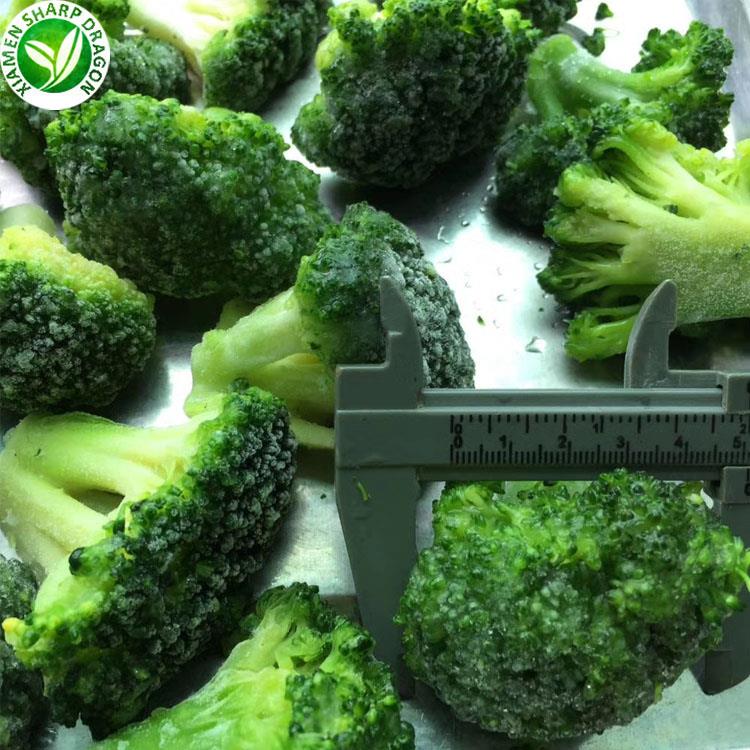
Choose the Method by the Texture You Need
The word best only becomes useful after the desired finish is defined. Dry heat is the strongest choice for browning because it removes surface moisture. Steam and microwave heat transfer are faster and more forgiving for a tender side, but they do not create a roasted surface. Moist recipes can absorb the water released during heating, so direct addition is efficient. A hot pan can add flavor, yet frozen florets need moisture management before they can brown evenly.
| Method | Best use | Control point |
|---|---|---|
| Roast from frozen | Browned side dishes, bowls, and meal kits | Use a hot tray, one layer, and enough space for steam to escape |
| Steam | Tender sides and batch preparation | Stop at the target bite; drain and avoid a long hot hold |
| Microwave | Small, fast portions | Follow the pack for power, water, cover, stirring, and standing time |
| Simmer in the dish | Soup, curry, sauce, pasta, and casserole | Allow for released water and confirm the broccoli is cooked through |
| Heat, drain, then pan-finish | Stir-fries and sautéed sides | Remove surface water before sauce and final browning |
These are decision rules, not universal formulas. A small floret, a thick stem, a 200 g household portion, and a full foodservice tray do not heat at the same rate. The package method should take priority for a retail product because it is written for that product form. In a commercial kitchen, validate the method with the actual portion, pan, oven, and holding stage rather than transferring a household time directly to production.

Best Overall Method: Roast Straight from Frozen
Roasting is the best general answer when the goal is a drier surface and some browning. It works because a hot tray supplies immediate heat and an open oven carries moisture away. Thawing first works against that objective: water released during thawing coats the florets, and the oven must evaporate it before browning can begin. The exception is a recipe that specifically needs thawed broccoli for chopping, puréeing, or mixing into a low-moisture filling.
- Heat the oven to about 425°F (220°C). Place a sturdy sheet pan in the oven while it heats.
- Keep the broccoli frozen. Separate loose clumps, but do not rinse or leave the florets to thaw on the counter.
- Coat lightly with oil and dry seasonings. Too much oil will not remove water; it only makes the finished surface heavier.
- Spread the florets in one layer on the hot pan. Leave visible gaps instead of piling them into the center.
- Roast for 15–20 minutes as a starting range, turning once if useful. Check earlier for small pieces and allow longer for large stems, a heavy load, or a less powerful oven.
- Finish with lemon, cheese, toasted seeds, herbs, or a sauce after the surface moisture has evaporated.
Judge doneness with more than the clock. The stem should accept the tip of a knife without collapsing, the floret should be steaming hot throughout, and the exposed edges should show the degree of browning the dish needs. If the pan contains a puddle, the likely causes are crowding, a cold tray, too much product, or large ice deposits. Divide the load between two trays before simply extending the time; a longer crowded roast often produces softer broccoli, not better browning.

Why Frozen Broccoli Turns Soft or Watery
Frozen broccoli is commonly blanched before freezing. Blanching helps slow enzyme activity that would otherwise damage color, flavor, and texture during storage, but it also means the vegetable has already received some heat. Freezing then forms ice within the plant tissue. During cooking, that ice becomes water and the thawed tissue is naturally less rigid than raw fresh broccoli. A softer result is therefore not always evidence of poor cooking or poor product; it can be the expected outcome of the product form.
The cook can still control where that water goes. In an open, hot oven it can evaporate. In a crowded pan it becomes steam. In a soup it joins the liquid and may be harmless. In a thick sauce, filling, quiche, or stir-fry it may dilute flavor or prevent browning. The correct response is application-specific: create space for roasting, drain after steaming, reduce a sauce, or preheat and dry the broccoli before combining it with ingredients that should remain crisp.
Useful distinction: A wet result is not the same as an unsafe result, and a dry patch from freezer burn is not automatically a safety failure. Texture, surface dehydration, package integrity, temperature history, and cooking adequacy are separate checks.
Floret geometry matters as much as method. Fine buds and broken pieces heat and soften before thick stems. A mixed tray can therefore contain dark, dry fragments beside underheated large pieces. At home, sort visibly tiny pieces to one side of the tray and check them first. For repeat commercial production, specify an acceptable cut range and stem proportion, then test that range in the intended application.

Better Methods When Crispness Is Not the Goal
Steam or microwave for a quick tender side
Steaming is useful when even tenderness and a clean flavor matter more than browning. Put frozen florets over already boiling water, cover, and begin checking before the stems become fully soft. Drain promptly and season after cooking so the final oil, butter, citrus, or sauce is not washed away. A microwave can create a similar steamed result for a small portion, but microwave power, package design, portion, added water, stirring, and standing time vary widely. Follow the pack instead of assuming that one online time fits every product.
Add directly to soup, curry, pasta, or a saucy bake
A moist dish makes the broccoli's released water easier to manage. Add frozen florets late enough to avoid a long simmer but early enough to cook through. Small florets may need only the final stage; large stems need more time. In a thin soup, a little released water may not matter. In a thick curry or pasta sauce, reduce the sauce slightly before adding the broccoli or leave the pan uncovered at the end. For quiche, pizza, or a dense filling, cook and drain the broccoli first so trapped water does not soften the base.
Use two stages for a stir-fry or sauté
Frozen broccoli can cool a pan quickly, especially in a large batch. A more controlled method is to steam or microwave it until the center is hot, drain it well, and then finish it briefly in a hot pan with oil and aromatics. Add thick sauce only after surface water has evaporated. This gives the pan a better chance to sear rather than boil the florets. Readers who want a dedicated household sequence can use our stovetop frozen broccoli guide, while this page remains the cross-method comparison.

Food Safety: Blanched Does Not Mean Ready to Eat
Blanching is a short heat treatment used mainly to protect frozen-vegetable quality; it should not be treated as a universal ready-to-eat step. The UK Food Standards Agency advises that frozen vegetables should be thoroughly cooked and that package directions should be followed, particularly before using the product in a cold dish. EFSA likewise emphasizes label instructions, hygienic handling, and proper cooking for blanched frozen vegetables.
Safety note: Keep the product frozen until preparation, use clean utensils, follow the pack's method and standing time, and cook the broccoli thoroughly. If the label says the product must be cooked, do not use it raw or merely thawed in a salad, garnish, or smoothie.
Safety and eating quality should be judged separately. Freezer burn can make a floret dry or tough without proving that it is unsafe. Conversely, a green color does not prove that a product has been cooked adequately. Damaged seals, leakage, evidence of prolonged thawing, or unclear cooking instructions require a different decision from ordinary frost. For a branded retail pack, the manufacturer's directions remain the most specific guide.

What Professional Buyers Should Test Before Approval
A specification sheet cannot show exactly how frozen broccoli will perform in a particular oven, sauce, tray, or reheating system. Importers, foodservice teams, ready-meal developers, and private-label buyers should approve the product against a defined cooking application. The useful question is not simply whether the sample looks green while frozen, but whether it reaches the target texture, appearance, yield, and holding stability under the buyer's actual process.
1. Test cut uniformity against the cooking window
Prepare a representative sample using the intended method and portion. Record whether fine pieces overcook before the largest stems become tender, how many florets break during normal handling, and whether the stem proportion suits the dish. The risk signal is a wide distribution that forces the kitchen to choose between dry buds and firm centers. Acceptance should define the cut range and visible defect tolerance that the application can absorb, not just a generic grade name.
2. Measure water release and cooked yield
Weigh the frozen portion, cook it under a repeatable method, drain for a fixed period, and weigh the finished portion. Observe free liquid, surface softness, and whether a sauce becomes thinner. Repeat the test after the proposed hot-hold or reheat step because acceptable broccoli at first cook may soften later. A buyer should set the allowable result from the final dish: a soup can tolerate more released water than a roasted side, a pizza topping, or a filled pastry.
3. Review the pack, cold chain, and cooking directions together
Inspect whether the bag or liner protects the product from dehydration, whether the carton survives normal frozen handling, and whether the cooking directions match the target market and pack size. Large ice clusters or a solid block can signal moisture exposure or temperature variation, but they are not a complete diagnosis by themselves. Compare package condition, temperature records, batch coding, and sample performance before deciding. Acceptance language should identify who controls storage, label approval, cooking validation, and arrival inspection.

XMSD sourcing note: If you are evaluating IQF frozen broccoli, send the intended cooking method, target cut, pack format, and acceptance test. We can discuss the product specification and frozen packaging approach before sample review.
Final Thoughts from XMSD
Roasting from frozen on a hot, spacious tray is the strongest all-purpose method for browned frozen broccoli. Steam or microwave when tenderness and speed matter more, cook directly in moist dishes when released water can be absorbed, and use a heat-drain-pan-finish sequence for a stir-fry. The decisive variables are cut size, load, equipment, package directions, and the texture required by the final dish. For commercial use, approve the product through an application test that measures uniform cooking, water release, cooked yield, holding performance, and packaging condition.
References
- UK Food Standards Agency: Cooking Your Food
- EFSA: Listeria in Frozen Vegetables-How to Reduce Risks
- NSW Government: Oven Roasted Frozen Broccoli
- University of Kentucky Cooperative Extension: Broccoli-Choosing, Storing, Preparing, and Enjoying
- Health Canada: How to Blanch Vegetables
- USDA Agricultural Marketing Service: Frozen Broccoli Grades and Standards
- The Washington Post: The Best Ways to Cook with Frozen Broccoli