


Bamboo as Food: Shoots, Preparation and Product Forms
Nov 30, 2020

Bamboo shoots are the young shoots of suitable bamboo species, harvested and prepared as a vegetable. They are different from the mature canes seen in gardens and from bamboo flowers. Fresh, unprocessed shoots require proper preparation and cooking because they contain compounds that can release hydrogen cyanide. A pale color, tender appearance or frozen state does not establish that this preparation has already been completed.
For a kitchen or food manufacturer, the first useful distinction is between raw shoots and a processed ingredient with clear instructions. Then compare the cut, packing medium and usable quantity. A whole prepared tip, a bag of frozen slices and a can containing shoots in liquid can all have a place in cooking, but they create different preparation work and recipe calculations.
We select bamboo-shoot formats around the finished dish. A visible slice in a soup needs a different evaluation from a small piece distributed through a filling. Before discussing price, establish what the operator will actually receive and what must happen before it reaches the plate. That makes the conversation about a usable food ingredient, with its preparation status understood from the start.

The food crop is a young shoot, not a flowering cane
Bamboo belongs to the grass family. The familiar tall canes and leaves show the mature plant, while the food trade focuses on young shoots from species used for eating. Food Standards Australia New Zealand notes that only a small proportion of bamboo species are used as food. A garden planting, an ornamental label or a photograph is therefore an insufficient starting point for a food purchase.
The mature plant's flowering cycle is a separate subject. UBC Botanical Garden explains that intervals vary and that many species go decades between flowering episodes. Flowering may slow growth or be followed by plant death, but this is not universal. Kew likewise describes possible regrowth after flowering, depending on the species and remaining energy reserves. There is no single flowering age that describes every bamboo.
For food sourcing, identify the cultivated food material and its delivered form. Ask whether the product consists of whole young shoots, trimmed tips, slices or another cut, and connect that description to the specification. A photograph of a bamboo grove may help explain the crop, but it cannot establish the species, harvest stage or treatment of the contents of a particular package.
Maturity has a practical consequence when the ingredient is cut. Fibrous sections and tender sections can behave differently under the knife and in the finished dish. Inspect a representative spread of pieces, including the larger ones, rather than approving a sample from a single attractive tip. Record what is usable for the intended application and what would need further trimming.
An order should also distinguish botanical identity from marketing language. Words such as natural, mountain-grown or tender do not replace the product name and processing description. They may describe an offer, but they do not tell the receiving kitchen whether further preparation is required. The useful record connects the named food ingredient, the supplied form, the lot and the actual handling instructions.
Raw shoots need a defined preparation method
Unprocessed fresh bamboo shoots contain cyanogenic glycosides, which can release hydrogen cyanide. The Canadian Food Inspection Agency identifies cooking as necessary before eating fresh shoots. This is a natural component of the plant rather than something that can be assessed simply by checking whether the exterior looks clean. Washing dirt from a shoot is a different task from reducing the natural toxin.
FSANZ gives a specific household method: halve fresh shoots lengthwise, remove the outer layers, trim the fibrous base, cut thin strips and boil in lightly salted water for 8–10 minutes, then discard that water. The thin-strip preparation is part of that guidance. The time should not be detached from the method and applied to a whole shoot or an unrelated commercial process.
Other official guidance illustrates why a universal short time is misleading. CFIA discusses substantially longer treatment for higher concentrations, while Hong Kong's Centre for Food Safety reports variation between materials and emphasizes cutting and thorough boiling. Use guidance appropriate to the identified product and setting. A commercial operation needs an established process for its actual material, rather than a timer copied from a recipe for a different cut.
We would keep three descriptions separate in a purchase discussion: raw shoots needing full preparation, processed shoots needing a specified final cook, and a product expressly supplied for a defined ready-to-eat use. The supplier's documented process and instructions must support the description. A sample that tastes pleasant does not resolve a missing processing step, and a tasting panel is not a toxin test.
If the preparation status is unclear, hold the ingredient out of production while the supplier resolves it. Request the product-specific process description and the intended use instructions, including any required cooking. If those cannot be provided, choose an appropriately prepared alternative from a reliable food supplier. Do not improvise a shorter treatment to meet a service deadline.

Read cooking results in the context of the tested material
The Centre for Food Safety's natural-toxin study provides a useful example of measured reduction. In its sliced bamboo-shoot sample, the reported cyanide concentration fell from 40 mg/kg before boiling to 3.7 mg/kg after 15 minutes. That is approximately a 91% reduction for the tested material and method. The report also stresses that starting levels vary and some materials can require longer cooking.
The distinction matters because a percentage reduction is not a finished-product specification. The starting concentration, preparation and method all influence the result. A study of sliced material cannot establish the outcome for a thicker, differently prepared batch. Nor does its result show that a particular supplier has performed the same process or obtained the same analytical result.
For a commercial process review, ask which product and cut the supporting evidence covers. A useful document connects the material, the treatment and the measurement being reported. The unit should be clear, along with whether the result applies before or after processing. A number without that connection is difficult to use when deciding whether an ingredient is suitable for the intended food.
The physical sample still has an important role, but it answers different questions. It can reveal excessive fibrous pieces, irregular cuts, broken tips or an unsuitable texture after cooking. Keep those observations in the quality review. Use the relevant process evidence for the safety question, rather than allowing an appealing sample to stand in for both kinds of assessment.
This also helps avoid exaggerated claims. We would describe an accepted product by its actual processing state and agreed instructions, without promising that a photograph, a generic certificate or freezing alone proves it ready to eat. The clear outcome is a product that the kitchen can handle correctly and a record showing why that use was accepted.
Compare fresh, frozen and canned shoots
Fresh shoots place more preparation work at the receiving end when supplied unprocessed. Trimming and peeling reduce the quantity available for the recipe, and the required toxin-reduction preparation must be addressed before use. A kitchen considering fresh material should have both the practical capacity and an appropriate method. The comparison with prepared products must include that work, not just the received weight.
Frozen products need a clear statement of what happened before freezing. Our frozen bamboo-shoot range includes different cut formats for that discussion. Select the form together with its product-specific handling and cooking instructions. The word frozen identifies a supply condition; it does not by itself describe every processing step or authorize a raw application.
Canned shoots provide another handoff. FSANZ recognizes commercially processed canned and dried bamboo shoots as foods in which processing reduces hydrogen cyanide to safe levels. For a particular canned product, still read the ingredients, directions and conditions after opening. A statement about a processing category does not remove the need to handle the opened food according to its instructions.
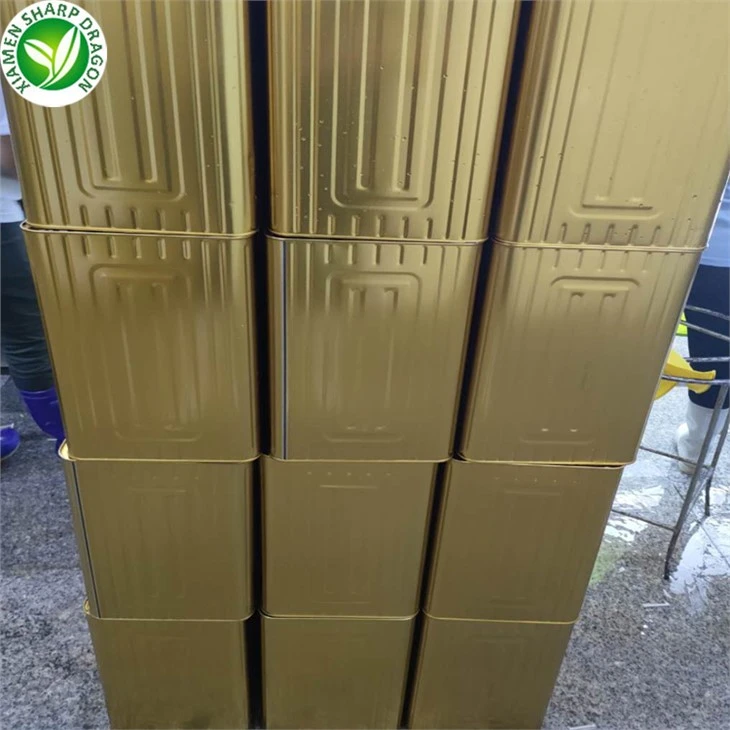
Our canned bamboo-shoot product information is useful when comparing preserved formats. Inspect the contents as well as the outer container. The total packed weight, liquid surrounding the shoots and quantity of usable vegetable are different observations. A large container does not automatically deliver the lowest cost per portion once draining and trimming are included.
For any prepared form, read the complete ingredient declaration. Water, salt, acidulants or seasonings, where declared, can affect how the product fits the recipe. Test the ingredient according to its directions before changing the soup's salt or acidity. Making several adjustments at once can hide which ingredient change caused the difference in the finished dish.

Choose the cut by what happens on the plate
A whole prepared tip can make an attractive visible component when the dish needs a recognizable piece. It also gives the kitchen a larger item to portion. Check how it cuts across the tender and firmer sections, what portion shapes it produces and whether the resulting pieces fit the serving vessel. An impressive whole sample is not necessarily the most efficient format for every menu.

Slices are easier to distribute visibly through many soups and prepared vegetable dishes. For a slice, thickness is as important as length and width because it influences the bite and the cooking comparison. Measure several pieces across the sample. If the offer includes a range, look at both ends of that range and assess whether the larger pieces remain acceptable through the actual preparation.
Strips can work where a narrow shape suits noodles or a mixed vegetable component. Our bamboo-shoot cut-format information provides a starting point for sample selection. The label on an offer is not enough: examine the delivered geometry, since a broad slice and a narrow strip distribute differently even when their weights are identical.
For a filling, judge the ingredient inside the finished product rather than only in a bowl. Oversized pieces may interrupt portioning or create an uneven bite; very small fragments may lose the visible texture the recipe was intended to show. The useful size is the one that survives the operation's mixing, forming and cooking steps with the desired result.
We would agree the main dimensions, the acceptable mix of intact and broken pieces and the evaluation method together. A simple photograph beside a scale can support that conversation, although perspective limits exact measurement from an image. Keep the measured sample record as well. This gives the next delivery a more practical comparison than a general request for good quality.

A noodle-service trial should follow the serving routine
Representative kitchen example: A noodle shop plans 80 bowls with 25 g of prepared bamboo shoots in each bowl. Its service requirement is 2,000 g of usable shoots. Two processed samples are being considered: broad slices and narrow strips. The decision concerns serving behavior and portion consistency; both samples must first meet the same requirement for appropriate preparation and use instructions.
Prepare each sample according to its own directions, then weigh the portions at the same defined stage. Use the intended serving utensil and bowl. Observe whether the pieces separate easily, settle where expected and remain manageable with the noodles. A shape that looks tidy in a shallow sample dish may be inconvenient to portion repeatedly during service.
Keep the broth and the rest of the bowl unchanged during the first comparison. If the shoot product has a declared packing medium or seasoning, follow its draining or rinsing directions consistently. Record any adjustment needed afterward as a separate recipe decision. This prevents a difference in preparation from being mistaken for an inherent difference between the two cuts.
Evaluate the bamboo after the normal assembly and holding sequence under the kitchen's established food-safety procedure. The relevant texture is the texture served to the customer. A sample judged only immediately after preparation may miss a change that occurs while the completed bowl waits for collection. Do not extend holding outside the kitchen's approved procedure just to create a comparison.
The trial's result should identify the preferred cut, the portioning basis and any acceptable limitations. If both shapes work, compare the usable quantity and preparation labor. If one produces inconsistent portions, consider whether a different utensil or cut would solve it before rejecting the crop itself. These are illustrative decisions for a representative kitchen, not a claim about a completed XMSD customer trial.
Compare cost using usable shoot weight
Worked buying example: Suppose an offer contains 10 kg of a prepared product including its packing liquid, and a defined draining trial gives 6.5 kg of usable shoots. The hypothetical usable fraction is 65%. At 25 g per portion, that quantity provides 260 portions before any additional trimming or service loss. These are calculation inputs, not an XMSD pack specification or guaranteed yield.
If the hypothetical pack price is 20 currency units, the cost per kilogram of usable shoots is 20 divided by 6.5, or about 3.08 currency units. Comparing only the 10 kg received weight would give 2.00 per kilogram and answer a different question. Purchasing needs to know whether a quoted price refers to the total contents or to a declared vegetable-weight basis.
For a competing product, repeat the calculation using an equivalent preparation stage. Do not compare the drained quantity of one offer with the undrained quantity of another. If one product requires further cutting, weigh the usable result after that step and record the labor separately. The least expensive received kilogram can become less attractive when it produces fewer usable portions.
Use a written draining method for the comparison, including the equipment and endpoint selected by the operation. The purpose is to make the trial repeatable rather than to squeeze the largest possible number from each sample. Excessively different handling can distort both the weight and the texture. Keep enough detail that a second person can reproduce the observation.

Pack size creates another decision. A large container may suit a high-volume kitchen that uses its contents within the specified conditions after opening. A smaller pack may better match a modest production run. Compare how much is actually used, how opened stock is managed and what handling work is required. Do not extend a supplier's after-opening instructions to make a large pack appear economical.
The expected result is a purchase comparison with a clear denominator: usable shoots at the agreed preparation stage. Alongside it, keep cut performance, declared ingredients and handling requirements visible. Price matters, but it becomes useful only when the products being compared can perform the same job in the operation.
Keep the agreed preparation status with every pack
A product description loses value if it disappears when the outer carton is removed. Retain the named ingredient, lot reference, storage directions and required preparation with the material being used. When a bulk package is divided internally, use the operation's labeling procedure so that the next person does not have to infer whether the shoots are raw, partly prepared or suitable for the planned final step.
Our frozen-food packaging information addresses the practical connection between product format and handling. For bamboo shoots, the useful pack supports the agreed portioning and identification. A packaging photograph can show the container style, but it cannot establish the content weight, current label declaration or processing status of a different order.
If a supplier proposes a change in source, cut or processing state, review the affected part of the approval. A change from a slice to a strip may mainly alter serving performance. A change from an appropriately prepared product to raw shoots changes the preparation responsibility and needs a different review. Treat the actual change specifically instead of assuming all bamboo products are equivalent.
At receipt, compare the product and documents with the approved description. Investigate inconsistent names, missing preparation directions or an unexpected packing medium before releasing the lot for use. Retain the details of the discrepancy and the supplier's answer. This produces a decision that can be explained later, rather than a verbal exception that disappears between shifts.
Bamboo becomes a useful food ingredient when its identity, preparation and application are clear. Select a suitable food shoot, establish what processing has already occurred, follow the correct directions and assess the supplied shape in the finished dish. Keep the usable-weight calculation and the handling information beside that decision. Those details make repeat purchasing and everyday kitchen use much more straightforward.
Send XMSD your required bamboo-shoot form, intended dish, packing format and destination. We can review a suitable sample and the corresponding product information. Discuss your bamboo-shoot requirement.