


Are Frozen Fruits and Vegetables More Nutritious?
Apr 14, 2020

Frozen fruits and vegetables can be as nutritious as fresh produce, and they may contain more of a particular nutrient when the fresh comparison has spent days in transport, retail display, and home refrigeration. But frozen is not automatically more nutritious. Freshly harvested produce may be higher in some nutrients, while blanching, frozen storage, thawing, and cooking can reduce others. The outcome changes with the commodity, the nutrient measured, and the comparison method.
The most useful conclusion is therefore not "frozen wins" or "fresh wins." It is that plain frozen produce is a nutritionally credible option, especially when the alternative is older fresh produce or produce that may be wasted before use. A fair comparison must separate fresh-picked from fresh-stored, fruit from vegetables, plain products from sweetened or sauced products, and raw values from cooked or prepared values. Consumers should read the ingredient list and compare the same serving basis. Commercial buyers should go further by tying every nutrition statement to the exact SKU, formulation, test or calculation basis, and intended market.
The short answer: frozen fruits and vegetables are not universally more nutritious than fresh, but they are often comparable and can be higher in selected nutrients than fresh produce after storage. Judge the exact food, process, storage history, ingredients, and preparation method.

"More Nutritious" Is Not One Measurement
Nutrition comparisons can produce different answers because they may measure different vitamins, minerals, fiber, or plant compounds. They may also compare produce on a fresh-weight basis, a dry-weight basis, per 100 grams, per serving, as sold, or after cooking. Water loss and preparation can change the concentration per 100 grams even when the absolute amount in the food has not changed in the same proportion.
A 2015 study by Bouzari and colleagues compared four vitamins in corn, carrots, broccoli, spinach, peas, green beans, strawberries, and blueberries under refrigerated and frozen storage. Vitamin C showed no significant difference in five of the eight commodities and was higher in the frozen samples for the other three. Results for riboflavin, vitamin E, and beta-carotene varied by commodity. The same research group found that most comparisons of minerals, fiber, and total phenolics showed no significant fresh-versus-frozen difference. These results support comparability, not a universal frozen advantage.
These were composition studies, not clinical trials. They show what was measured in selected foods under defined storage conditions; they do not prove that choosing one format produces a better health outcome for every person. Fiber, vitamins, minerals, and plant compounds all contribute to diet quality and normal body functions, but one nutrient result should not be turned into a promise about disease prevention or overall health.
Evidence boundary: a result for frozen blueberries, broccoli, or peas cannot be transferred automatically to every variety, crop, supplier, storage period, recipe, or commercial lot. The food, nutrient, measurement basis, and preparation condition must match the claim.
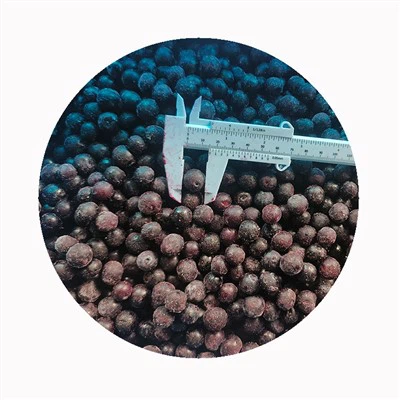
Why Fresh and Frozen Produce Can Trade Places
Fresh-picked and fresh-stored are different baselines
"Fresh" describes a market format, not a fixed age. Produce eaten shortly after harvest has had little time for moisture loss and postharvest change. Produce that has traveled through distribution and then remained in a refrigerator has a different history. Respiration and chemical reactions continue after harvest, and some sensitive nutrients can decline over time even under refrigeration.
A two-year study by Li and colleagues compared fresh, five-day refrigerated "fresh-stored," and frozen samples of six vegetables and two fruits. Most comparisons for vitamin C, beta-carotene, and folate found no significant difference. When significant differences appeared, five days of refrigerated storage was generally associated with lower nutrient concentration. The work was funded by the Frozen Food Foundation, which is a relevant limitation; its value lies in testing a realistic stored-fresh baseline rather than assuming every fresh sample was just harvested.
Vegetables and fruits do not follow one identical process
Many commercial frozen vegetables are washed, cut, briefly blanched, cooled, and frozen. Blanching slows enzyme-driven changes that would otherwise damage color, flavor, and texture during storage. The heat and water exposure can also reduce some water-soluble vitamins before freezing. Time, temperature, vegetable type, cut size, and cooling all affect the result, so "blanched" alone does not tell a buyer the retention level.
Frozen fruits are often handled differently because blanching can harm their texture. Depending on the fruit and final product, processors may use rapid freezing, ascorbic or citric acid for color control, or another defined pretreatment. Some retail fruit products contain added sugar, while plain IQF fruit may contain only fruit. The distinction is visible in the ingredient statement, and it matters more than the word "frozen" by itself. XMSD's separate frozen fruit formats and frozen vegetable formats also show why one processing description cannot cover both categories.
| Comparison format | What changes the result | Fair judgment basis |
|---|---|---|
| Fresh, recently harvested | Variety, maturity, handling, and time to eating | Actual age, condition, edible yield, and preparation |
| Fresh, stored | Transport, display, refrigeration, moisture loss, and trimming | Same commodity, storage period, serving basis, and cooking method |
| Plain frozen | Pretreatment, blanching, freezing rate, storage, thawing, and cooking | Exact SKU, ingredients, as-sold or as-prepared basis, and storage history |
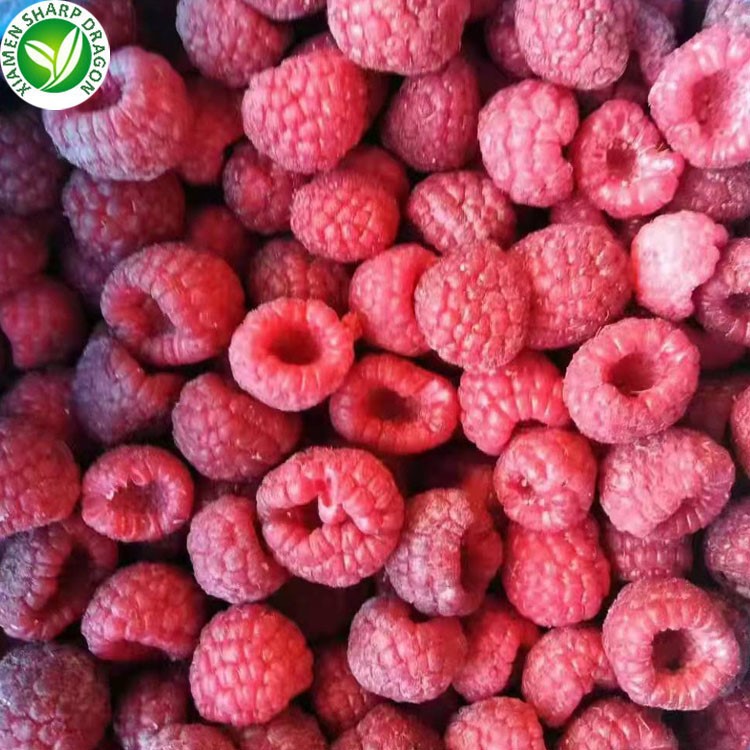
What Freezing Changes-and What It Does Not
Freezing slows many chemical, enzymatic, and microbial changes, but it does not stop every change indefinitely. Temperature stability, storage duration, oxygen exposure, and packaging remain relevant. Freezing also does not remove fiber or minerals from an intact piece of fruit or vegetable. Losses that occur during washing, peeling, trimming, blanching, thawing, draining, or cooking must be distinguished from the freezing step itself.
Vitamin C and some B vitamins are relatively sensitive to heat, oxygen, water, and time. Carotenoids, vitamin E, minerals, fiber, and phenolic compounds follow different patterns. That is why the research does not produce a single percentage of "nutrients retained." A percentage without a named nutrient, commodity, process, storage time, and measurement basis is not decision-grade evidence.
Texture can change even when nutrition remains broadly comparable. Ice crystals can disrupt plant cell walls, which is why thawed berries may release juice and some vegetables may soften. Faster freezing and stable storage can help control crystal growth and quality loss, but texture, drip, and piece integrity are application properties rather than direct nutrition measurements. A soft berry is not automatically nutrient-poor, and an attractive berry is not proof of a particular vitamin level.

Product Form and Preparation Can Matter More Than the Freezer
A single-ingredient bag of frozen blueberries is not nutritionally identical to sweetened blueberry puree, a smoothie base, or a dessert filling. Plain broccoli is not the same product as broccoli in cheese sauce, and peas are not interchangeable with a seasoned mixed-vegetable side. Added sugar, sodium, fat, sauce, breading, and the blend ratio can alter the finished Nutrition Facts panel and serving profile without changing the basic fact that the product is frozen.
For retail products, read the ingredient list before comparing nutrient panels. The U.S. FDA distinguishes naturally occurring sugars in fruit from sugars added during processing, and its sodium guidance recommends choosing frozen vegetables without sauce or seasoning when lower sodium is the goal. These are label-reading principles, not a judgment that every formulated product is unsuitable. The right choice depends on the complete meal, serving size, and intended use.
Preparation creates another branch in the comparison. Long boiling can move water-soluble nutrients into cooking water, while steaming, microwaving, roasting, or using the cooking liquid can produce different retention and concentration results. No single method wins for every nutrient and commodity. Compare what people actually eat: the edible serving after preparation, including any sauce, cooking fat, discarded liquid, or water loss.
Food-safety note: freezing does not sterilize produce or reliably destroy all harmful microorganisms. Follow the package directions, prevent temperature abuse, use hygienic handling, and apply destination-specific safety guidance to products intended to be eaten without a kill step.

How to Judge the Exact Product
A useful decision starts with the product that will actually be bought and eaten, not a generic claim about a freezer aisle. The following sequence keeps the comparison on one basis and prevents a favorable result from one commodity or preparation from being stretched across unrelated products.
- Define the food form. Record the commodity, variety when relevant, cut or piece size, plain or formulated status, ingredient statement, and whether the product is IQF pieces, a block, a blend, or a puree.
- Put the comparison on the same basis. Use the same edible weight or serving, and do not mix raw with cooked, drained with undrained, or as-sold with as-prepared values. For a blend, confirm the component ratios.
- Check the process and storage history. Identify relevant pretreatment, blanching or color-control steps, frozen storage conditions, package integrity, and preparation method. Treat clumping, heavy frost, damage, and thaw history as quality or handling signals that need investigation, not as automatic nutrient measurements.
- Match the evidence to the claim. Use data for the exact SKU when making a commercial nutrition statement. Confirm whether the value comes from laboratory analysis, an accepted calculation, or a database, and verify the destination market's labeling and claim rules.
For everyday eating, this method can be much simpler: choose plain products when that fits the meal, check added sugar or sodium when relevant, prepare the food in a way you enjoy, and use the quantity you need. A frozen product that makes fruit and vegetables easier to use consistently can be valuable even when a laboratory comparison shows only small nutrient differences.

What B2B Buyers Should Put in the Specification
1. Make every nutrition statement SKU-specific
The risk signal is a broad statement such as "frozen fruit retains more nutrients" applied to every product. A buyer should define the exact commodity or blend, ingredient statement, serving basis, as-sold or as-prepared condition, and nutrient being claimed. Review the supporting analysis or calculation and its date, sample identity, method, and market relevance. Acceptance means the label and sales claim describe the contracted SKU rather than a neighboring product or a general study.
2. Control formulation and blend ratios
Two mixed-fruit or mixed-vegetable products can share a name but differ materially in component ratios, added ingredients, piece sizes, and edible yield. Risk signals include an undefined blend tolerance, an ingredient statement that does not match the approved formula, or nutrition data that assumes a different component mix. Review a representative sample, formula or ratio control, label copy, and the calculation or test basis together. Accept the product only when composition, declaration, and specification point to the same formula.
3. Separate nutrition compliance from application performance
A nutrition panel can be correct while the product performs poorly in a smoothie, bakery filling, ready meal, retail pouch, or foodservice operation. Test the intended process for thaw drip, water release, texture, piece integrity, cooked yield, and hold behavior. Inspect package seals, carton condition, clumping, and available temperature records at arrival. These checks do not measure vitamins, but they show whether the contracted product and cold-chain history support the intended application. XMSD's frozen packaging information provides a useful starting point for discussing the pack format separately from nutrition claims.

XMSD sourcing note: If you are comparing plain frozen fruit or vegetable SKUs for retail, foodservice, or processing, we can discuss the required product form, cut or size, packing format, destination requirements, and application test. Share the intended use and requested specification so the comparison begins on the correct basis.
The Practical Decision
Frozen fruits and vegetables are not automatically more nutritious, but neither are they nutritionally inferior simply because they are frozen. A freshly harvested item may lead for one nutrient; a properly processed frozen item may compare favorably with the same produce after several days of storage. Blanching, fruit pretreatments, frozen-storage conditions, formulation, and cooking can all change the result.
For consumers, the best choice is usually the plain or appropriately formulated product that fits the meal and will actually be used. For commercial buyers, the defensible choice is the product whose specification, ingredients, nutrition basis, application performance, packaging, and cold-chain evidence all agree. That is a stronger decision than relying on either "fresh" or "frozen" as a complete nutrition score.
References
- Bouzari et al.: Vitamin Retention in Eight Fruits and Vegetables
- Bouzari et al.: Mineral, Fiber, and Total Phenolic Retention in Eight Fruits and Vegetables
- Li et al.: Selected Nutrient Analyses of Fresh, Fresh-Stored, and Frozen Fruits and Vegetables
- USDA FSIS: Freezing and Food Safety
- University of Minnesota Extension: Preserving Food at Home-Freezing
- U.S. FDA: Added Sugars on the Nutrition Facts Label
- U.S. FDA: Sodium in Your Diet