


Are Figs Good for You to Eat? Choosing an Everyday Portion
Jan 10, 2020

Yes. Figs are a useful fruit to eat when you enjoy their sweetness, include them in a varied diet and choose a portion that suits the meal. Whole figs supply fiber as well as carbohydrate and small amounts of several minerals. They can take the place of a sweet topping or become the fruit component of a snack. They do not have to be eaten on a schedule, and there is no reason to force them into your diet if you dislike them or they repeatedly cause symptoms.
The most useful choice is often between three quite ordinary options: fresh figs for a soft, ready-to-eat fruit; plain frozen figs for planned preparation; and dried figs for a smaller, concentrated addition to a meal. A fig biscuit, syrup or chocolate-coated fig needs a separate assessment of its full ingredients. Sharing a fruit name does not make those foods nutritionally interchangeable.
Start with the occasion. Are you replacing another sweet food, adding fruit to breakfast, or buying ingredients for a kitchen? That decision tells you more than a list of promised benefits. Then check the product form, the amount you will actually eat and any preparation instructions. For people with a prescribed carbohydrate plan or recurrent digestive symptoms, the appropriate portion may need individual advice.

What you get from the fruit itself
A raw fig is mostly water, with a soft interior and numerous tiny seeds. The USDA's archived raw-fig reference gives about 74 kcal, 19.2 g carbohydrate and 2.9 g fiber per 100 g edible fruit. These are reference composition figures, not a laboratory result for a particular bag or variety. They make the main point clear: figs are a carbohydrate-containing fruit with useful fiber, not a high-protein food or a vitamin supplement.
The reference is also a reason to be modest about vitamin claims. It lists only 2 mg of vitamin C per 100 g. Calling figs a vitamin-C powerhouse would give the wrong impression. Choose them because they taste good and broaden your fruit choices; choose other foods as well to meet the rest of your nutritional needs. No single fruit needs to do every job.
Fiber is useful as one contribution to the day's eating pattern. The NIDDK recommends increasing fiber gradually and drinking enough liquid to help it work. A serving of figs can contribute, but so can beans, oats, vegetables and other fruits. If the rest of the day contains little fiber, one fruit portion is a beginning rather than a complete solution.
The texture matters to enjoyment too. Some people like the contrast between tender flesh and seeds; others would rather have figs chopped into something they already eat. Start with the form you are likely to finish. A supposedly ideal fruit sitting untouched in the refrigerator contributes nothing to the meal.

Fresh, frozen and dried fit different occasions
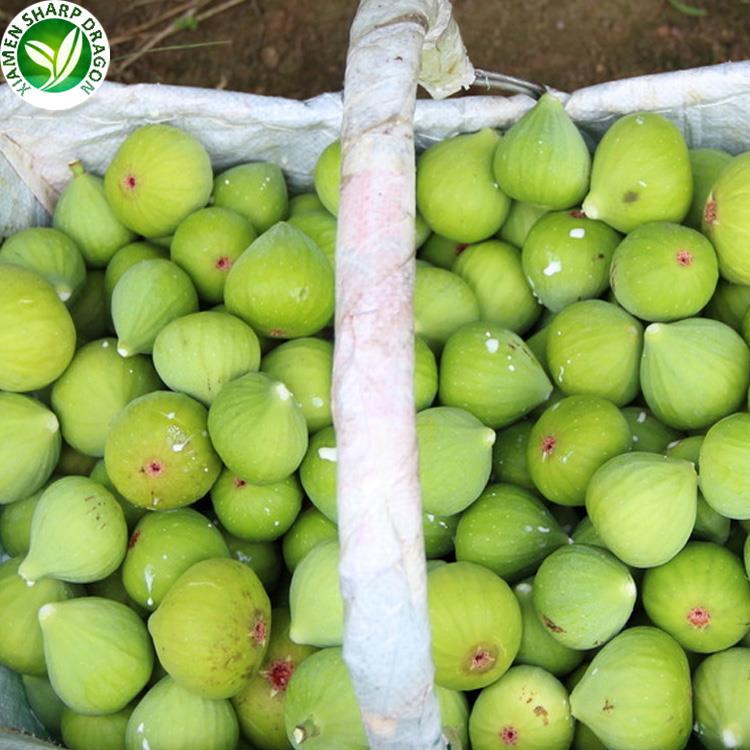
Fresh figs are a straightforward choice when you want fruit that can be washed, trimmed and eaten without further processing. Handle them gently and wash them under running water before preparation. There is no nutritional reason to discard sound edible skin simply because it is green or purple. Remove the stem and any unsuitable fruit; peeling can be a preference for texture, rather than a rule that makes the fruit healthier.
Plain frozen figs give you more flexibility over when to prepare the fruit. Freezing alone does not add sugar. However, a frozen pack can contain added ingredients, and the handling directions still matter. Read the ingredient list and use instructions rather than assuming that every frozen fig product is ready to eat directly after thawing. Where cooking is required, follow the pack's directions.
I would choose frozen figs for a spoonable fruit topping before choosing them for a display of perfectly firm fresh halves. Softening and released juice can work beautifully in the first application and spoil the appearance of the second. That is a kitchen-performance distinction, not a verdict that the softer fruit is nutritionally inferior. The available whole and cut frozen fig forms give a useful starting point for choosing the right preparation.
Dried figs have lost much of their water, so a small handful can contain a substantial amount of fruit solids. Do not transfer a fresh-fruit handful directly to the dried version. The NHS counts 30 g dried fruit as a portion in its five-a-day scheme, compared with 80 g fresh or frozen fruit. Those are food-group portion conventions, not a claim that the portions have identical calories or carbohydrate.
Dried fruit also needs a different eating rhythm. NHS advice is to have it at mealtimes to reduce its impact on teeth, rather than nibbling repeatedly between meals. Chopping a measured amount into breakfast is one practical way to enjoy dried figs without carrying an open bag around all afternoon.

Choose the portion by weight once, then by habit
The question is not how many figs a person is allowed to eat. It is how much fruit the planned serving contains. A large fresh fig, a small fresh fig and a dried fig are different quantities. Counting pieces can be convenient once you know the product; it is a poor first comparison between products whose size and moisture differ.
For a simple fresh-fruit reference, 80 g is a useful starting portion because it corresponds to the NHS five-a-day measure. It is not a personalized prescription, a maximum, or a treatment dose. Weigh the edible portion once if you are unfamiliar with fig sizes, then use the result to judge a similar serving on another occasion. A kitchen scale is more reliable than a photograph of an apparently generous bowl.
More fruit is not automatically the best next step when you are still hungry. Perhaps the snack needs a protein food, or perhaps lunch was too small. Pair figs with a food that suits you, such as plain yogurt or an appropriate portion of nuts, instead of expecting extra figs alone to supply everything. Those additions have their own nutrition and allergen considerations, so assess the whole snack.
Likewise, a fruit portion added to an already complete dessert changes the amount eaten. It does not cancel the sugar, butter or cream underneath it. If your aim is to change the meal, make an actual substitution: a fruit topping instead of one of the sweet additions, for example, rather than all of the original toppings plus figs.
Figs need not be an everyday commitment. Alternate them with fruit that is affordable and available, and use them when their flavor fits. A varied routine is easier to sustain than treating one ingredient as essential and then abandoning fruit entirely when it is out of season.
Worked example: Replacing a sweet breakfast topping
In this representative scenario, a home breakfast is being changed; the figures are illustrative, not a measured customer result. A person already eats plain yogurt and wants a fruit topping with visible pieces. Their existing topping weighs 40 g and its label declares 250 kcal per 100 g. They consider replacing it with 80 g raw figs. The question is whether the substitution suits breakfast, not whether figs have a special weight-loss effect.
The topping contributes 40 g × 250 kcal ÷ 100 g = 100 kcal. Using the USDA raw-fig reference, the fig portion contributes 80 g × 74 kcal ÷ 100 g = about 59 kcal. For these stated inputs, the topping change is approximately 41 kcal lower. The yogurt is unchanged and is not included in either number. This is an illustrative comparison with a hypothetical topping label, not a universal saving from eating figs.
That arithmetic is only one part of the decision. The person cuts the figs into quarters, tastes them with the yogurt, and decides whether the natural sweetness is sufficient before reaching for honey. If extra honey and granola are added, they belong in the comparison too. The most useful result is a breakfast they enjoy with a clearly understood topping, rather than an attractive number that ignores what was actually served.
For a repeatable habit, the fruit is portioned into a small bowl before being added. The remainder stays appropriately stored instead of becoming an unmeasured second topping. If fresh figs are unavailable, the person can choose another fruit; if using frozen figs, they prepare them according to the product instructions and expect a softer result.
This example is not a prediction of body-weight change. It shows how to compare a real eating decision with stated weights and labels. A person who needs more energy at breakfast might prefer a larger meal. A person following a medical meal plan should fit the serving into that plan, not take this illustration as an instruction to reduce intake.
Read the pack beyond the word 'fig'
The ingredient list answers a different question from the nutrition panel. Ingredients show whether the product is plain fruit or includes syrup, sugar, coatings or other components. The nutrition panel then describes the specified serving. A short ingredient list can be convenient, but it does not tell you the amount you will eat or whether the product fits a particular dietary restriction.
On a US Nutrition Facts label, total sugars include naturally occurring sugars and any added sugars. Added sugars are included within that total, not an extra amount to add again. Plain figs can therefore contain sugar while having no added sugar. The phrase 'no added sugar' is useful information about formulation; it is not another way of saying carbohydrate-free.
For diabetes meal planning, the CDC emphasizes carbohydrate amounts and an individualized plan. Look at total carbohydrate in the portion rather than treating the absence of added sugar as permission for unlimited fruit. Keep medication and insulin decisions with your diabetes care team; choosing figs is not a reason to change the prescribed dose.
When two fig snacks use different serving sizes, put them on a comparable basis before deciding. One label might describe a small piece while another describes the whole pouch. Multiply the label values by the number of servings actually eaten. Compare energy, carbohydrate, fiber and added sugars as relevant to your aim, then return to the practical question of whether the portion is satisfying.
Claims on the front of a package are less useful than clear instructions when the fruit is frozen. Before a chilled breakfast application, establish whether thaw-and-serve use is suitable. We would resolve that point before judging the appearance of a sample. A good-looking bowl is not evidence that the processing and handling are appropriate for that use.

When figs are not a comfortable choice
Some people find a large serving of figs unpleasant even though a smaller amount is fine. If you are introducing more fiber, increase it gradually instead of making several dietary changes at once. Notice the amount, form and other foods eaten alongside it. A large helping of dried fruit after a day of little fiber is a different situation from a small portion within a familiar meal.
Repeated pain, persistent diarrhea or constipation should not be managed simply by eating more figs or banning all fruit. Discuss recurring symptoms with a qualified clinician or dietitian, especially if they interfere with eating or daily life. A prescribed dietary restriction deserves more precise advice than a general recommendation about a nutritious food.
Do not use figs as an experiment if they have previously caused a suspected allergic reaction. Stop eating the food and seek appropriate medical advice; breathing difficulty or swelling involving the throat needs urgent care. Choosing an alternative fruit is perfectly reasonable while the cause is assessed.
Age and eating ability also affect preparation. Whole frozen pieces are hard, while dried fruit can be chewy. For a young child or someone with a swallowing difficulty, use preparation guidance appropriate to that person's needs rather than copying an adult snack bowl. The USDA's fruit guidance specifically emphasizes developmentally appropriate cutting or mashing for young children.
Finally, a nutritious choice must be sound food. Reject visibly moldy or decomposing figs and follow storage directions. Do not use sweetness or a pleasant taste as a test of safety. Nutritional value is not a reason to rescue a damaged pack with an uncertain handling history.
Practical example: Fig breakfast cups in a small catering kitchen
This representative scenario uses foodservice planning assumptions, not an XMSD order history. A catering kitchen wants 40 breakfast cups, each containing 75 g prepared fig pieces with plain yogurt served separately. Its immediate fruit requirement is 40 × 75 g = 3,000 g, or 3 kg prepared fruit. The buyer's problem is controlling portions and appearance during service, not advertising a medicinal breakfast.
The chef considers fresh quarters and frozen pieces. Fresh quarters may offer the desired shape, but their availability and firmness can vary. Frozen pieces make advance purchasing easier but need a suitable preparation method, and thawed juice can affect the cup. We would assess the fruit at the point of eating: pieces should be pleasant to bite, easy to spoon and sufficiently distinct from the yogurt.
A preparation trial uses the actual pack directions. The kitchen weighs fruit before preparation, usable pieces afterwards and any liquid kept with the serving. If the recipe discards liquid, that loss changes the amount of purchased fruit required. If liquid stays in the cup, it changes consistency. Neither option can be decided accurately from the frozen net weight alone.
The result of the trial is a serving method: weigh the fig component, use the same portioning utensil, and assemble a small number of cups first to inspect the final texture. Should the fruit collapse during mixing, placing it on top or offering a spoonable preparation may be a better menu than trying to preserve firm quarters. That recommendation follows the observed application, rather than forcing one format into every breakfast.
The planned 3 kg is therefore a prepared-fruit requirement, not automatically a purchase quantity. Yield, pack instructions and the kitchen's handling plan determine the order. For foodservice and catering applications, keep that preparation method with the purchase requirements so a change of fruit format triggers a new serving check.

Make the buying routine support the eating routine
An oversized pack can work against a small fruit portion if opening it repeatedly is awkward or the kitchen prepares too much at once. Choose a pack around actual use, available cold storage and the handling instructions. A large pack is not automatically economical merely because its price per kilogram is lower. What matters is the amount used well before quality or handling becomes a problem.
For frozen fruit, I would compare a small-pack option with the kitchen's normal preparation batch. Can staff remove the needed quantity without leaving the rest exposed while they finish another job? Can the opened pack be closed securely and identified? These ordinary handling questions affect whether figs remain an easy ingredient after the initial enthusiasm for a new menu.
Use the frozen-fruit pack-size and use-rate guide when that balance is unclear. The right pack should support the intended portions, not quietly encourage larger servings or repeated thawing. For a household, the equivalent decision is simply to buy an amount that fits the way you cook and eat.
When comparing packaging options for frozen food, start with access and protection. A closure that staff can use correctly is more valuable than an attractive bag that is difficult to reseal. Agree the actual material and pack dimensions for the selected fruit rather than assuming every pictured pack is available.
Figs earn their place through ordinary advantages: appealing flavor, useful fiber, versatility and a form that fits the meal. Choose plain fruit when that suits your purpose, make the serving visible, and keep the rest of the diet varied. There is no need to promise a cure or search for a perfect daily fig count to make that a worthwhile choice.

Planning a frozen fig application? Send the intended serving, preparation method and pack requirement so we can review the suitable product information with you.
References
- USDA archived Basic Report 09089, Figs, raw; edible-portion reference, SR28
- NIDDK: Eating, Diet, and Nutrition for Constipation
- NHS: 5 A Day, what counts?
- FDA: Added Sugars on the Nutrition Facts Label
- CDC: Carb Counting
- USDA MyPlate: Planning for Healthy Eating and Savings
- FDA: Selecting and Serving Produce Safely
- FDA: Food Allergies, What You Need to Know