


Canned Cherries by Pack Medium, Sugar and Serving Use
Nov 29, 2019

Canned cherries can fit a varied diet, but the meaningful comparison starts with the kind of cherry, the packing medium and the amount actually served. Cherries packed in water or juice, fruit in heavy syrup and bright garnish cherries are not one nutritional product. Their added sugar, color system, flavor, drained yield and culinary role can be very different.
Canning also changes the fruit. Pitting, heating and storage soften texture, move soluble components between fruit and liquid and may reduce native red-purple pigments. The process supplies shelf stability and convenient portions, yet leaves clear differences from fresh fruit.
Read the ingredient list and Nutrition Facts beside the intended use. A spoonful decorating one dessert is a different decision from a bowl of fruit. For product work, define whether liquid is discarded, included in sauce or counted in the serving.
Direct answer: choose a product whose fruit type, syrup or juice, added sugar, portion and color match your purpose. Use intact commercial packs, calculate the finished serving and describe garnish cherries as garnish rather than as a substitute for a fresh-fruit portion.

First Identify Which Canned Cherry You Have
Sweet cherries and tart or sour cherries begin with different acidity, sugar, color and flavor. Processing styles add another layer. Whole or pitted fruit may be packed in water, fruit juice, light syrup or heavy syrup. A bakery or cocktail garnish may use bright color, firming agents, flavor and a sweet liquid designed for appearance rather than a bowl-sized fruit serving.
The name on a commercial offer should state the fruit style, pit status, stem status and medium. "Canned cherries" alone leaves too many decisions open. Product code, ingredient statement and approved sample should agree on whether color and flavor are native, adjusted or added.
Bright red appearance is not a nutrition metric. Some garnish cherries are deliberately made uniform for decorating. A naturally dark tart cherry in juice may look less vivid but serve a different recipe. Compare within the same use instead of ranking them by color intensity.
The canned cherry product format gives a starting visual reference. The purchase document then fixes cherry count or size, stems, pit tolerance, soluble solids, drained weight, color, texture, can or jar style and destination requirements.
Packing Medium Changes the Nutritional Answer
Water-packed fruit adds no sugar from the medium. Juice-packed fruit may add naturally occurring fruit sugars, while syrup generally contains added sweetener. The exact result is on the ingredient list and label. Terms such as light or heavy syrup describe a packing standard; they are not a health grade.
FDA distinguishes total sugars from added sugars. Total sugars include those naturally present in fruit plus any added amount; added sugars cover sweeteners introduced during processing and are declared in grams and percent Daily Value on applicable U.S. labels.[1] Other markets have their own formats and definitions.
Draining reduces the liquid carried into the serving, but fruit has been in contact with the medium during processing and storage. Never treat drained syrup-packed cherries as if the sweetener had never been present. Use product data for the prepared condition or test the exact drain method when a numerical reduction matters.
If the liquid enters a glaze, beverage or sauce, count it. A label value based on fruit plus medium is useful for that use. If a decorator drains each cherry and discards syrup, edible yield and nutrient calculation need the drained basis. The preparation statement closes the gap between pack and plate.

A Fruit Serving and a Garnish Portion Are Not Equivalent
A standard fruit side may contain a substantial drained mass. A cocktail cherry or cake decoration may be one or two pieces. The small garnish contributes limited fruit simply because little is eaten, even if its label lists nutrients per 100 grams. Serving context prevents a technically correct number from creating the wrong impression.
Count by weight for nutrition and cost, even when kitchen staff portion by piece. Cherries vary in size, stems and liquid pickup. Weigh a representative set after the specified drain time, calculate the average and spread, then decide whether "two cherries" stays within the recipe tolerance.
Suppose 40 drained garnish cherries weigh 240 grams. The observed average is 6 grams each. Two pieces add about 12 grams of the drained product to a dessert. A 120-gram bowl of juice-packed pitted fruit contains ten times that mass, so their dietary roles are clearly different before any nutrient comparison.
For menu language, say what the item does: "finished with two red cherries" is direct. A fruit-forward claim belongs to recipes containing a meaningful fruit amount. The canned fruit serving overview provides wider category context without erasing the garnish distinction.
Heat and Storage Shift Native Cherry Pigments
Natural red and purple cherry color comes partly from anthocyanins. These compounds respond to cultivar, maturity, oxygen, pH, heat and storage. Canning protects microbiological stability through processing and sealing, yet native pigment content and shade can change.
Research on tart cherry jam found processing and storage important to color, phenolics and anthocyanin retention.[2] Jam is not canned whole fruit, so its percentages do not transfer to a cherry pack. The useful lesson is that recipe, heat and time form one color system.
A bright garnish may rely on permitted added color according to the formulation and market. Confirm the color name, declaration, destination acceptance and stability in the final application. A natural-looking photo never replaces the ingredient statement or regulatory review.
Color bleed matters in practical work. Red liquid can stain cream, icing, pale fruit or clear beverages. Drain time, surface rinse where appropriate, temperature and contact time change the halo. Photograph the result after the realistic hold, not immediately after placement.

Texture, Pits and Stems Are Quality Decisions
Heat-softened fruit can work well in sauce, pie or yogurt but may collapse under decoration handling. Firm garnish cherries need enough bite to survive draining and placement without becoming tough. Define texture after the intended preparation and storage temperature.
Pit status is a food-safety and customer-experience issue. Pitted product still needs a pit and fragment tolerance with a detection and verification program. Stem-on cherries support visual handling but change edible yield and portion weight. State whether weights include stems and whether the application removes them before eating.
Size distribution affects piece count and decoration consistency. Measure diameter on a defined sample after draining. A broad range may suit chopped filling while looking irregular on identical cakes. Product quality is not one universal grade; it is conformance to the function purchased.
Inspect splits, bruised or broken fruit, loose skin, detached stems, sediment and packing-medium clarity. Agree which defects affect appearance and which affect usable yield. The specification needs photographs for interpretation and numeric limits for release.

Container Integrity Still Comes Before Nutrition
Commercial shelf stability assumes a sound seal and suitable processing. Do not use swollen, leaking, severely rusted or seam-damaged cans. For glass, inspect closure, vacuum indication where present, cracks, leakage and signs of tampering. Isolate suspicious packs without tasting their contents.
Store closed packs under the declared conditions, protected from heat, moisture and impact. Rotate by code and shelf-life policy. A product may remain safe within its system while losing color or texture, so safety release and quality shelf life need separate acceptance criteria.
After opening, follow the label and site food-safety plan. Transfer unused fruit to a suitable covered container when directed, refrigerate promptly, identify opening time and keep utensils clean. Syrup never turns an open jar into a room-temperature product.
The wider canned fruit handling note covers the category. For cherries, the opened-life test also monitors color migration, stem loss and texture because those failures can occur before obvious spoilage.
Choose Canned, Frozen or Fresh for the Actual Job
Canned cherries earn their place where room-temperature distribution, fast opening and a prepared texture matter. A sealed case reduces seasonal dependence and removes pitting or syrup preparation from the kitchen. That convenience has value even when fresh fruit offers a firmer bite or a different nutrient profile.
Fresh cherries work best where crisp texture, natural skin appearance and an in-season presentation lead the decision. They bring sorting, washing, pitting, short-life and waste questions. A garnish program running year-round may accept a formulated canned style because the same diameter and color are available across seasons.
Frozen cherries retain a closer-to-raw ingredient identity and allow unsweetened formulations, yet freezing breaks tissue and thawing releases juice. They suit smoothies, sauces, bakery fillings and cooked fruit preparations better than applications that demand a glossy stem-on decoration. Frozen distribution also adds storage capacity and temperature control.
Run the comparison on one recipe function. For pie filling, measure kilograms of usable pitted fruit, released liquid, sugar adjustment, bake loss and color after baking. For a drink garnish, measure accepted stem-on pieces, drain labor, color halo and holding time. A general price per kilogram hides the preparation loss and labor that separate the forms.
Include pack disposal, cold storage and opened-life waste. A large jar may have the lowest ingredient cost but perform poorly when a bar uses only a few cherries per day. A smaller pack can reduce leftovers and repeated exposure. Conversely, a high-volume bakery may gain from a larger foodservice can if it empties within one controlled session.
The best form is therefore a system choice. Score nutrition on the actual serving, quality after the real process and cost after usable yield. This comparison keeps canned cherries in their legitimate strengths without claiming that preservation makes every form equal.
Representative Scenario: Set a Bakery Garnish Portion
Practical example: In this representative bakery scenario, the decision function is choosing a stem-on cherry for individual cream cakes. Inputs include pieces per jar, drained average weight, stem attachment, color transfer after 24 hours, sweetness and cost per usable decoration.
Candidate A is larger and gives fewer decorations; its red halo spreads into the cream overnight. Candidate B is smaller, holds stems better and leaves a narrower halo after a fixed drain. The bakery chooses B, standardizes one cherry per cake and defines a ten-minute drain before placement.
The recipe calculates sugar and energy from the 6-gram observed portion plus cake and cream. Marketing calls it a cherry garnish. The action improves visual consistency without pretending that one sweetened piece equals a dietary fruit serving.
Representative Scenario: Release a Juice-Packed Fruit Cup
Worked example: In this representative label-release scenario, the decision function is approving a 120-gram mixed-fruit cup containing 36 grams of pitted cherries. The deciding records are cherry ingredient statement, juice composition, formula weights, drained and liquid use, laboratory panel and destination rules.
The initial worksheet mistakenly uses a drained cherry database value even though all packing juice enters the cup. The label team replaces it with product data on the as-used basis and recalculates total and added sugars for the entire formula. The revised panel then goes through rounding and serving review.
This is a formulation and label decision, unlike the bakery's decoration choice. The product keeps its fruit-cup identity because the portion is meaningful and documented. Any benefit wording stays with measured nutrients and the complete serving rather than cherry color alone.
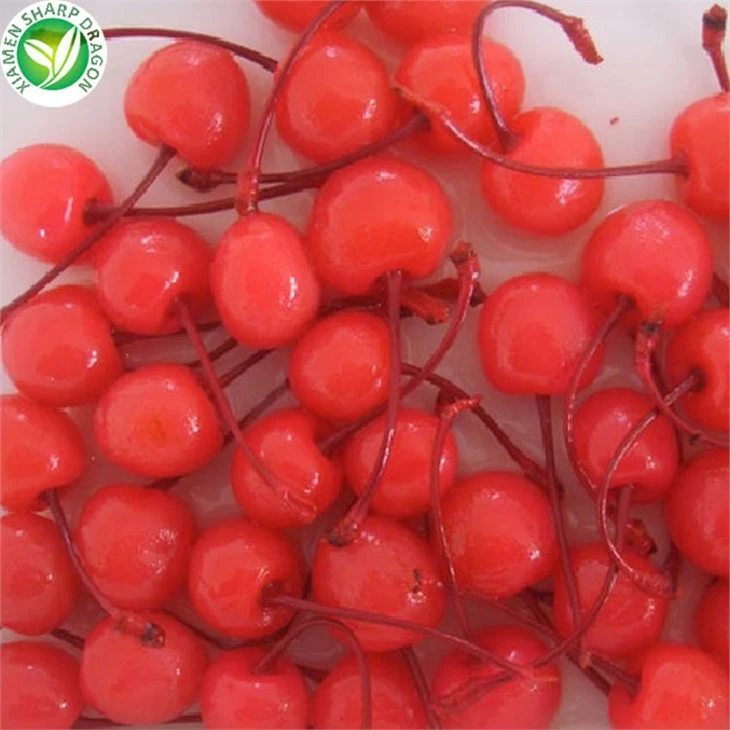
XMSD Experience: Measure Brix, Drain and Piece Count Together
In our XMSD reviews, one jar yields three linked measurements. We record soluble solids of the packing medium at the agreed temperature, drain through a defined screen for a fixed time and count usable cherries. A compliant net weight can still produce a poor decorating cost if fruit count or usable yield is low.
We separate stems, damaged fruit and acceptable stemless pieces according to the intended use. For garnish, stem loss may remove a piece from usable yield; for chopped filling it may have little value. The report translates physical findings into cost per accepted function rather than a generic quality score.
This experience has a yield function. Nutrition stays in the supplier panel and formula file. The canned fruit range provides alternative pack styles, while the actual drain-and-count result decides the selected cherry code.

XMSD Experience: Test the Cherry in the Final Surface
A separate XMSD lesson comes from application contact. We place drained cherries on the actual cream, icing, chocolate, fruit gel or beverage and keep them for the commercial display period. White laboratory paper shows leakage quickly, but misses the fat, acid, temperature and moisture interactions at the food surface.
We photograph at fixed light and distance, then score halo width, gloss, wrinkling, stem position and flavor transfer. Samples are assessed cold and after the expected display exposure. A pack that looks brilliant at opening can lose the precise contrast that the finished product needs.
That trial protects visual performance, separate from the yield work. If native cherry color is the priority, the frozen cherry form comparison may open another route. If stable garnish color is the priority, the canned specification must state the permitted color system and market.

Who Should Pay Special Attention?
People managing added sugar or total carbohydrate need the label and real portion. Selecting water- or juice-packed fruit may reduce added sweetener compared with syrup, but the full diet and serving remain important. A clinician can advise when intake forms part of medical management.
Parents and caregivers need pit awareness, suitable piece size and supervision appropriate to the eater. A small round cherry may present a choking concern for young children. Remove pits and stems where applicable and prepare the food according to professional guidance for age and ability.
People sensitive to a color, preservative or another declared ingredient need the complete label. Cherry itself and the formulated canned product are not interchangeable allergen questions. A bakery dessert also brings its own milk, egg, wheat, nut or other cross-contact controls.
Anyone with a suspect or damaged pack needs a safety response, not a nutrition comparison. Isolate the container, keep its code and follow the retailer, supplier or local authority reporting route.
Release the Product That Matches the Promise
Canned cherry value becomes clear after four definitions: cherry style, packing medium, preparation and portion. Add the commercial checks for pit tolerance, color declaration, texture, drained yield and container integrity. These facts replace the false claim that every canned cherry is nutritionally the same as fresh fruit.
Review product name, ingredients, serving, nutrient panel and imagery as one package. If syrup enters the recipe, include it. If only drained fruit is served, test that prepared basis. Keep a sweet garnish in its honest role and reserve fruit-serving language for a meaningful amount.
Repeat the application review after production scale-up and at the declared shelf endpoint. Changes in cherry source, medium, color system, jar, heat or storage can shift piece integrity and appearance. Record which changes reopen label or sensory approval, which retain sample represents the release, and how the next lot will be compared under the same preparation.
Share the desired cherry style, medium, piece count, drained weight, Brix, color, container, application, destination and volume. XMSD can review the sample and specification inputs before a commercial choice.
References
- U.S. Food and Drug Administration. Added Sugars on the Nutrition Facts Label.
- Poiana M-A et al. Stability of Anthocyanins, Phenolics and Color of Tart Cherry Jams. Foods. 2019.
- U.S. Food and Drug Administration. The Nutrition Facts Label.
- U.S. Food and Drug Administration. Food Tampering, An Extra Ounce of Caution.
- McCune LM et al. A Review of the Health Benefits of Cherries. Nutrients. 2018.