


Are Avocados Bad for Your Gut? Evidence and Tolerance Guide
Jun 28, 2019

Avocado is not inherently bad for the gut. For many people, its fiber can contribute to normal bowel function, and human trials show that daily avocado can change gut-microbial communities and fermentation products. Those results do not prove that avocado treats constipation, repairs the microbiome, or improves symptoms for everyone. A food can support a varied diet and still cause discomfort in a person who eats a large portion, increases fiber abruptly, has irritable bowel syndrome, reacts to particular fermentable carbohydrates, or receives a product with unsuitable ingredients or handling.
The useful question is therefore not simply "good or bad?" Ask what form you are eating, how much is in the complete meal, what symptoms occur, when they begin, and whether the same response appears again under comparable conditions. For frozen avocado, also check whether the product is plain or formulated, ready to eat or intended for further preparation, correctly thawed, and still within its approved refrigerated-use window. We separate nutritional potential, personal tolerance and commercial product control because each needs different evidence.
Direct answer: A normal tolerated portion of avocado is not known to damage a healthy gut. If it repeatedly causes pain, marked bloating, diarrhea, vomiting, hives, or another clear reaction, stop guessing from a food list: document the portion and complete meal, then discuss the pattern with a qualified clinician or dietitian.
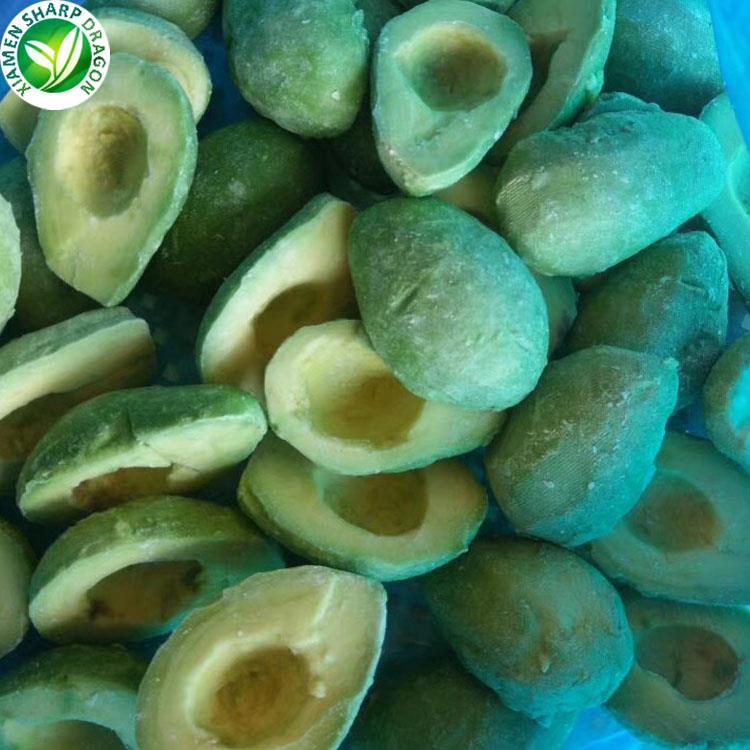
What Avocado Contributes to Digestion
The USDA raw-avocado reference provides 6.7 g fiber, 14.66 g fat and 160 kcal per 100 g of edible flesh. Most of the fat is unsaturated. Fiber is the most direct reason avocado is discussed in connection with bowel function and gut microbes: it reaches the large intestine in forms that can influence stool bulk and microbial fermentation. Fat and energy matter for the complete meal, but neither turns avocado into a digestive medicine.
Use those numbers as a composition baseline, not a frozen-carton guarantee. Cultivar, maturity, trimming, water content and added acids can change the finished product. A sweetened avocado dessert, a seasoned spread and plain IQF halves do not have the same ingredient list. Our separate frozen avocado nutrition guide explains how to normalize a commercial label to 100 g before comparing it with a public food-composition reference.
Fiber can support regularity, yet more is not automatically better. NIDDK advises people with IBS to add fiber gradually because too much at once can cause gas and trigger symptoms. That is a practical distinction: fermentation and stool change can be normal physiological effects, while severe or persistent symptoms deserve individual assessment. Do not interpret one comfortable meal as proof of a cure or one uncomfortable meal as proof that all avocado is harmful.
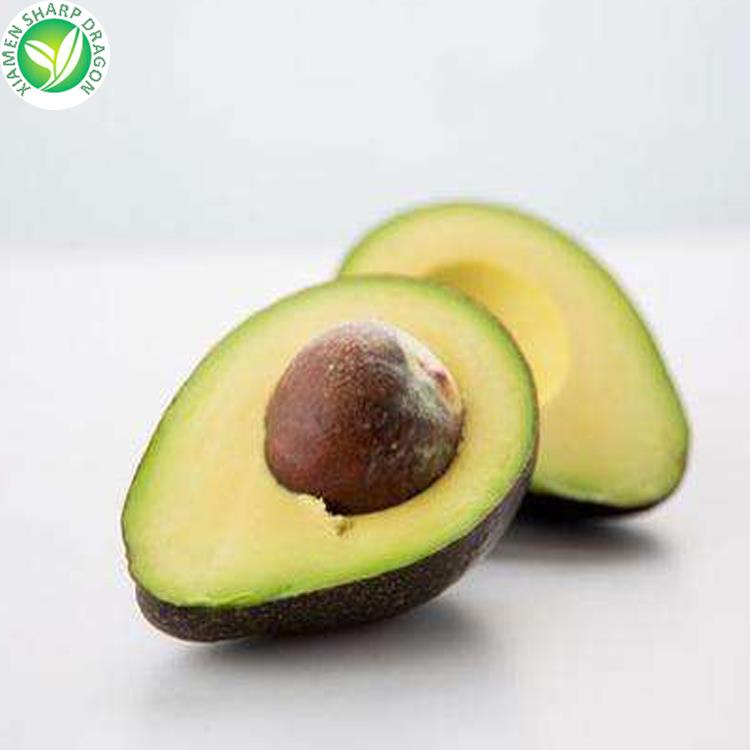
What Human Microbiome Trials Actually Show
One 12-week randomized controlled trial enrolled 163 adults aged 25–45 with overweight or obesity. Participants received isocaloric meals with or without avocado; the avocado amounts were 175 g for men and 140 g for women once daily. The avocado group showed changes in the relative abundance of several bacterial groups, greater fecal acetate, and lower concentrations of two fecal bile acids. These are biological measurements, not a universal symptom score. The microbiome work was a secondary outcome, the population was specific, and the serving was larger than many people use as a topping.
A later ancillary study used fecal samples from 230 participants at one site within a larger 26-week randomized trial of adults with abdominal obesity. One avocado daily was associated with higher microbial alpha diversity by week 4, persisting at week 26, and changes in certain species. Functional metabolic pathways did not differ significantly. This strengthens evidence that avocado can influence microbial ecology, but it still does not tell us that every person will feel better, or that a specific frozen avocado SKU produces a clinical outcome.
When you see a headline saying avocado is "good for the microbiome," translate it carefully: controlled daily consumption changed measured microbial features in selected adults. Do not translate it into "detoxes the gut," "removes residues," "heals IBS," or "prevents digestive disease." Those claims go beyond the trials. A responsible product description can state composition and intended use; a health conclusion must match the study population, intervention and outcome.
Practical example: Reading a microbiome claim
A smoothie brand wants to say its 40 g frozen-avocado portion "improves gut health." The trial used a different meal context and much larger daily amounts, while microbiome changes were not proof of symptom improvement. The defensible action is to describe the product's measured fiber per serving and avoid borrowing a clinical outcome that the finished smoothie has not demonstrated.

Why Avocado Can Cause Gas, Bloating or Loose Stool
Several mechanisms can produce discomfort without making avocado a toxic food. A larger portion delivers more fiber and fat at once. A sudden increase in total dietary fiber can increase fermentation and gas. The complete meal may also contain other fermentable ingredients, lactose, sugar alcohols, very high fat, intense seasoning or a large volume. If you test only the avocado but change five other variables, the result cannot identify the trigger.
Avocado also appears in low-FODMAP discussions. Monash University reported in 2024 that improved testing identified a distinct sugar polyol called perseitol rather than the sorbitol historically attributed to avocado. The team updated its serving guidance but still recommends an individual challenge because tolerance varies. That change is a good reason not to copy an old fixed portion from a blog or label avocado universally high or low FODMAP. Use the current clinical program or app with professional guidance if IBS management is the actual purpose.
Timing alone is rarely diagnostic. Symptoms after a meal may reflect earlier meals, total load, stress, medication or an existing condition. Repeated severe pain, vomiting, blood in stool, dehydration, weight loss, fever, swelling, breathing difficulty or a rapid allergic-type reaction is not a home portion experiment. Seek appropriate medical care. This article can help organize food and product information, but it cannot diagnose the cause.
| Observation | What it may mean | Useful next action |
|---|---|---|
| Mild gas after a much larger portion | Fiber or meal-load tolerance | Return to the last comfortable portion and change one variable at a time |
| Symptoms only with a formulated product | Another ingredient or formulation effect | Compare ingredient lists, serving weights and preparation |
| Repeated reaction at similar amounts | Individual intolerance or another condition | Keep a structured record and consult a qualified professional |
| Off-odor, leaking pack or thaw abuse | Product safety or quality failure | Do not taste; isolate, document and reject the affected product |

A Portion Test That Produces Useful Evidence
Start with a known product and a weighed amount. Record whether it is fresh flesh, plain frozen halves, pieces, pulp or a multi-ingredient preparation. Keep the surrounding meal familiar, follow the same thaw or preparation method, and note relevant symptoms and timing. If the portion is comfortable, any increase should be gradual. If it is not comfortable, return to the prior tolerated pattern rather than repeatedly provoking symptoms.
Worked example: Using the USDA baseline of 6.7 g fiber and 160 kcal per 100 g, a 60 g plain-avocado portion contributes about 4.02 g fiber and 96 kcal: 6.7 × 60/100 = 4.02 g fiber, and 160 × 60/100 = 96 kcal. A 150 g portion contributes about 10.05 g fiber and 240 kcal. The 90 g difference adds roughly 6.03 g fiber at one meal. That does not predict symptoms, but it explains why "I ate avocado" is incomplete evidence unless the amount is known.
For a commercial meal, repeat the calculation with the verified product label and actual deposited weight. Include other fiber sources and serving components. If a bowl contains 60 g avocado, beans, onion, a polyol-sweetened dressing and dairy, the correct conclusion is not that avocado caused the response. Reformulate or test one defined variable at a time. This approach is slower than a food blacklist, but it produces information you can use.
Practical example: Controlled foodservice test
A café receives complaints after introducing an avocado bowl. The team weighs the recipe and finds that avocado varies from 45 to 110 g while the dressing contains inulin. It first fixes the deposited avocado weight, then compares the original dressing with an inulin-free control. The result can distinguish portion inconsistency from a formulation effect and leads to a repeatable specification.

Fresh, Frozen and Formulated Avocado Are Not Interchangeable
Freezing changes physical structure more clearly than it changes fiber. Thawed avocado usually becomes softer and may release moisture, so frozen halves or strips may fit blending, sauces, fillings and spreads better than a premium fresh-style garnish. Texture change is not gut damage. It becomes relevant when a softer product changes the portion deposited, recipe concentration or way the ingredient is eaten.
Read the ingredient statement. Citric acid or ascorbic acid may be used for color control; a prepared guacamole or dessert can contain salt, onion, garlic, dairy, sweeteners, gums or preservatives. Any of those may alter tolerance or the nutrition calculation. The frozen avocado use guide connects halves, cuts and pulp with preparation and application. For a symptom comparison, choose products whose form and ingredients are actually comparable.
Do not assume that freezing makes a problem food tolerable or that fresh is automatically safer. Personal tolerance depends on the person, amount and complete meal. Food safety depends on processing, handling, package integrity and temperature control. Those are separate questions, and a successful nutrition message cannot substitute for a safe production and thawing plan.

Food Safety Is Different from Digestive Tolerance
A person may tolerate avocado nutritionally and still become ill from contaminated or badly handled food. Freezing stops most bacterial growth while the food remains frozen but does not reliably kill all bacteria. FDA advises following the package instructions for commercially frozen foods and using safe produce handling. A product intended for cooking should not be silently treated as ready to eat; a ready-to-eat claim requires the relevant process and verification.
At receiving, check temperature evidence, packaging integrity, labeling, lot code, excessive clumping, signs of thaw and refreeze, leakage and abnormal odor after controlled thawing. Brown color alone can be oxidation and a quality defect rather than proof of a pathogen. Conversely, normal green color cannot prove microbiological safety. Follow the agreed sampling and release plan instead of using appearance as the only control.
Practical example: A distributor receives frozen avocado halves with several wet cartons and one temperature recorder showing an unexplained warm interval. Some fruit is brown after thawing, but there is no abnormal odor. The color does not prove illness risk, and the absence of odor does not clear the load. The correct action is to place the affected lot on hold, preserve recorder data and photographs, identify pallet and case codes, sample under the agreed plan, and ask the responsible food-safety team to decide disposition against time-temperature evidence and specification. This keeps a logistics deviation separate from a consumer's ordinary digestive tolerance.
After opening or thawing, prevent cross-contamination and use a validated refrigerated holding rule appropriate to the product and operation. Do not repeatedly warm and return a working bag to frozen storage. The XMSD frozen packaging overview can help define inner-bag size, seals, carton protection and handling evidence, but the operating procedure belongs in your own food-safety system.

How to Specify Frozen Avocado for Consistent Use
Begin with intended use and portion. State halves, strips, dice or pulp; target piece size; maturity and flavor expectation; color and browning tolerance; allowed ingredients; pack size; preparation method; and deposited weight. Add defect definitions for peel, seed fragments, excessive soft pieces, discoloration, clumping and foreign material. A visual photograph helps communication, but a written limit and sample method make acceptance repeatable.
Then connect the product to its safety status. Identify whether it is supplied ready to eat or not ready to eat, what process controls apply, which microbiological criteria and documents are required, how lots are coded, and what temperature evidence accompanies shipment. Request facility-linked and product-linked records rather than assuming every logo or certificate applies to every order. The current XMSD frozen avocado range is a starting point for form and specification discussion, not a substitute for order confirmation.
Finally, run the real application. Weigh portions before and after thawing, observe drip and color over the actual service period, calculate the complete recipe, and record sensory and operational results. If digestive-positioning language will appear on a menu or label, have the responsible nutrition and regulatory reviewers check the exact wording and destination requirements. Supplier data can support the review; it cannot diagnose your consumer or authorize a medical claim.
A useful trial report records enough detail to repeat the result: lot, pack, frozen and thawed weights, thaw method, holding time and temperature, ingredient list, recipe batch size, deposited portion, photographs and the exact acceptance decision. If a later batch behaves differently, these records show whether the change came from raw material, processing, transport, thawing or recipe execution. Without that chain, a complaint such as "the avocado upset customers" cannot distinguish clinical intolerance, inconsistent serving, formulation error or product-control failure.
XMSD sourcing note: Send us the avocado form, cut, allowed ingredients, application, deposited portion, pack, destination, safety status and required records. We can review a frozen-avocado specification and application sample without turning a food-composition fact into a digestive treatment claim.
Frequently Asked Questions
Can avocado make you poop?
Its fiber may contribute to stool bulk and regularity within the complete diet, but avocado cannot guarantee a bowel movement or treat constipation. Total fiber, fluids, activity, medicines and medical conditions also matter. Increase fiber gradually if large changes cause gas or discomfort.
Does frozen avocado have less fiber than fresh avocado?
Freezing does not normally remove fiber, but the exact declared value belongs to the finished product. Compare plain products on the same weight basis and read the ingredient statement. Do not use a raw USDA value as a guaranteed lot specification.
Is avocado allowed on a low-FODMAP diet?
The answer depends on the current tested serving guidance and individual tolerance. Monash re-tested avocado and identified perseitol, leading to updated guidance. Use a current evidence-based program and professional advice rather than copying an old universal portion from the web.
Should I avoid avocado after one episode of bloating?
One mixed meal does not identify one ingredient. Record the product, avocado weight, complete meal, timing and symptoms. Mild symptoms may justify a smaller controlled comparison; repeated, severe or allergic-type reactions require appropriate professional assessment rather than repeated home testing.
Final Decision
Avocado is not broadly bad for the gut. It supplies fiber and unsaturated fat, and randomized trials show measurable microbiome changes in selected adults. The honest boundary is equally important: microbiome change is not guaranteed symptom relief, and tolerance varies with portion, total meal, IBS or another condition, formulation and individual response.
For personal use, weigh the serving, change one variable at a time and seek help for persistent or severe symptoms. For a frozen-food program, control form, ingredients, portion, thawing, safety status, specification, records and cold chain. That turns a vague "good or bad" question into two defensible decisions: whether the person tolerates the meal and whether the product meets its intended use.
References
- Avocado consumption and gastrointestinal microbiota: 12-week randomized controlled trial
- Daily avocado and gut microbiota in adults with abdominal obesity: HAT ancillary randomized-trial study
- NIDDK: Eating, Diet, and Nutrition for Irritable Bowel Syndrome
- Monash FODMAP: Avocado re-testing and perseitol guidance
- USDA FoodData Central SR Legacy dataset: avocados, raw, all commercial varieties
- U.S. FDA: Are You Storing Food Safely?
- XMSD operational experience in frozen-fruit specification, application testing, packaging, cold-chain review and B2B export coordination.