


Advantages of Frozen Vegetables
Apr 07, 2020

The clearest advantages of frozen vegetables are convenience, portion control, year-round availability, and less preparation or spoilage waste. Plain frozen peas, broccoli, corn, edamame, and vegetable blends are usually washed and prepared before packing. A cook can take the required amount from a properly stored package and keep the remainder frozen, which is useful when fresh demand is uneven.
Frozen vegetables can also remain nutritionally valuable. Research on selected vegetables has found many measured nutrients in frozen samples to be comparable with those in fresh or refrigerated-stored samples. That does not make frozen vegetables automatically more nutritious than fresh produce. Results vary with the vegetable, nutrient, blanching process, storage history, and final cooking method.
Two limits matter. Freezing is not sterilization: it stops microbial growth while food stays frozen, but many microorganisms can survive and become active again after thawing. Rapid freezing can reduce the formation of large, damaging ice crystals, but it does not leave plant tissue completely unchanged. The practical choice is therefore not "frozen is always better." It is whether a specific frozen format delivers the nutrition, texture, labor saving, yield, and storage performance required for a particular meal or production process.
Quick answer: Choose plain frozen vegetables when you want fast preparation, flexible portions, dependable availability, and less exposure to trimming or spoilage loss. Compare them with fresh vegetables by usable yield and application-not by slogans-and check whether the product is plain, blanched, fully cooked, seasoned, or ready to eat.

The Main Advantages of Frozen Vegetables
Convenience is the most consistent advantage because it can be observed and measured. Many frozen vegetables arrive washed, trimmed, cut, and sometimes blanched. That can remove several preparation steps from a household kitchen, restaurant, or food factory. Free-flowing pieces can also be weighed directly from the package, allowing the user to prepare a small portion without committing the whole bag.
This portionability can reduce avoidable waste. Fresh vegetables may lose weight during peeling and trimming, then deteriorate if the remaining amount is not used quickly. Frozen vegetables still require sound stock rotation and freezer management, but the unused portion is less exposed to rapid wilting or decay while it remains correctly sealed and frozen. The benefit is best described as reduced exposure to waste, not zero waste or unlimited shelf life.
Year-round supply is another practical strength. Freezing makes a harvested crop available beyond its short fresh season and can help menus or formulations maintain a stable vegetable component. However, frozen vegetables do not always cost less. Fresh local supply may be economical during harvest, while freezing, packaging, energy, and cold-chain logistics add costs. The fair comparison is cost per usable serving or finished unit after labor, trimming, cooking loss, spoilage, and storage are included.
| Format | Main advantage | Important limit or check |
|---|---|---|
| Fresh vegetables | Crisp texture and suitability for raw or minimally cooked uses | Age, season, trimming loss, storage life, and likely spoilage |
| Plain frozen vegetables | Prepared portions, year-round access, and predictable usable quantity | Cut, blanching status, texture after cooking, package condition, and instructions |
| Seasoned or sauced frozen vegetables | Fast route to a finished side dish or meal component | Sodium, fat, added sugar, allergens, serving size, and formulation fit |
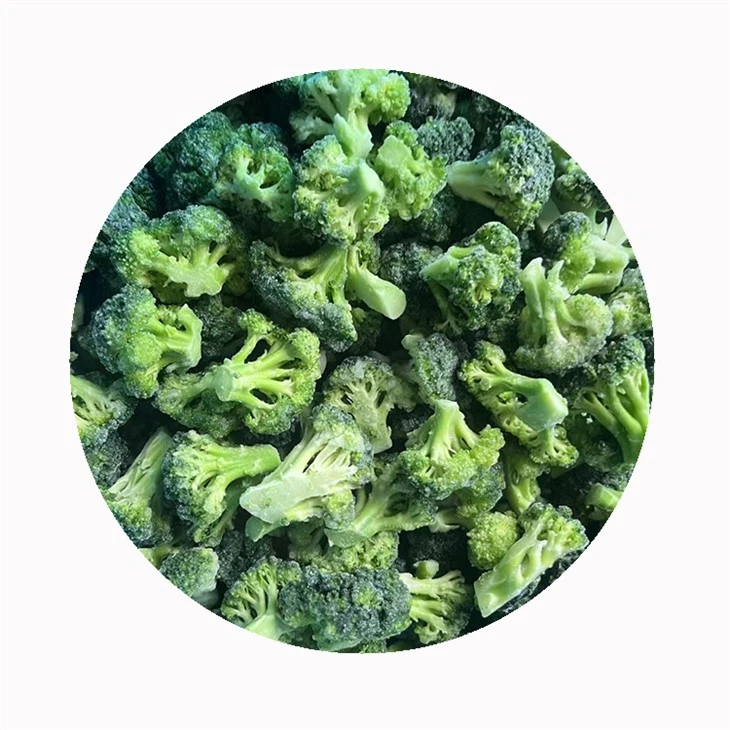
Nutrition: Comparable Does Not Mean Identical
Plain frozen vegetables can make a meaningful contribution to a varied diet. A two-year study published in the Journal of Food Composition and Analysis compared vitamin C, beta-carotene, and folate in selected fresh, fresh-stored, and frozen fruits and vegetables. Most comparisons showed no significant difference, and refrigerated storage was sometimes associated with lower measured values. The useful conclusion is that frozen products can be nutritionally comparable for many tested foods and nutrients-not that every frozen vegetable is superior.
That study had a limited commodity and nutrient set and was supported by the Frozen Food Foundation, so it should not be stretched into a universal claim. Different nutrients respond differently to heat, water, oxygen, light, and storage. Results from peas do not automatically describe spinach, broccoli, or corn, and a value measured after processing does not describe what remains after long storage and cooking.
Vitamin C is often examined because it is sensitive to processing and storage. The body needs vitamin C for collagen production, antioxidant activity, immune function, and absorption of nonheme iron. Vegetables also provide dietary fiber, which supports normal digestion and can contribute to satiety. These are normal nutritional roles within an overall diet; they do not mean a frozen vegetable treats or prevents a disease.
Product form changes the comparison. A plain bag containing only the named vegetable is not nutritionally equivalent to vegetables packed with cheese sauce, butter, salt, or breading. Health Canada advises checking packaged products for little or no added sodium, sugars, and saturated fat when that fits the buyer's dietary goal. For household use, read the ingredient list and nutrition panel. For a menu, nutrition program, or labeled food product, obtain data for the actual supplied item and the serving preparation rather than applying a generic frozen-vegetable value.
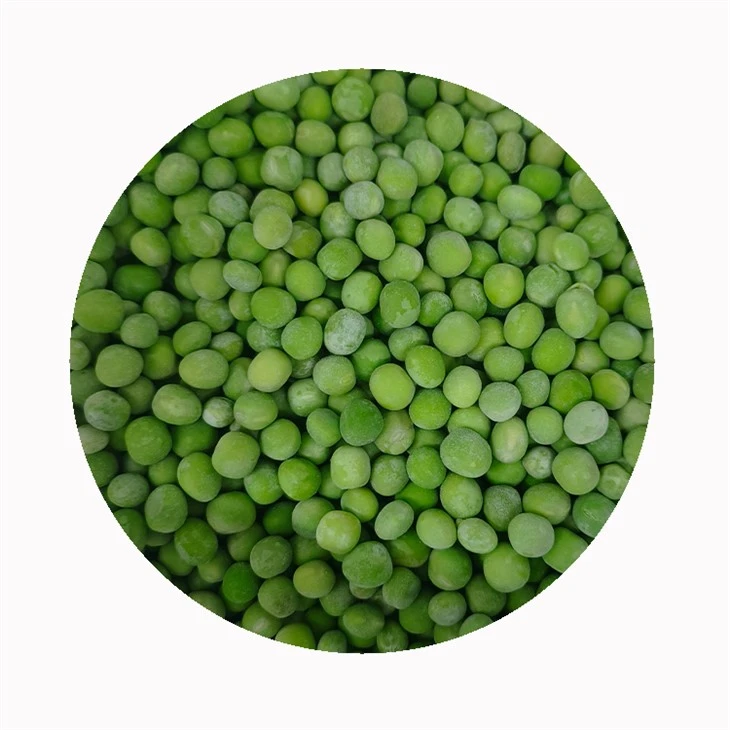
Why Blanching and Freezing Speed Matter
Many vegetables are blanched before freezing. Blanching is a short exposure to boiling water or steam followed by cooling; it is not the same as fully cooking the vegetable for service. The National Center for Home Food Preservation explains that the step slows enzyme activity that would otherwise damage flavor, color, and texture. It can also help clean the surface, reduce surface microorganisms, brighten color, and soften tissue for packing.
Time and temperature must suit the vegetable and cut. Underblanching may leave too much enzyme activity, while excessive blanching can soften texture and cause flavor, color, vitamin, or mineral loss. This is why "blanched" should be treated as a process specification, not as proof that the contents are fully cooked or ready to eat. Some products are unblanched, some are blanched, and some prepared products receive a more complete heat treatment.
Freezing speed also affects physical quality. USDA food-safety guidance explains that slow freezing allows larger ice crystals to form, causing more disruption to plant cells. Faster freezing generally produces smaller crystals and can reduce this damage. It cannot eliminate structural change. After heating, some vegetables will still be softer or release more water than the fresh version, especially when the cold chain has fluctuated or the product has been thawed and refrozen.
Individually quick frozen, or IQF, pieces are designed to remain separate enough for flexible portioning when processing, packaging, and storage are well controlled. Our definition of IQF freezing explains the term in more detail. Even with IQF, clumps, heavy surface frost, dehydration, or crushed pieces can signal package damage, moisture movement, or temperature abuse that deserves investigation.

Convenience Can Improve Usable Yield
The labor advantage depends on what the processor has already done. A trimmed broccoli floret or diced carrot may avoid washing, peeling, cutting, and grading at the point of use. A whole frozen vegetable may save less labor. Buyers should therefore compare like with like: the delivered cut, defect tolerance, preparation state, and quantity that survives cooking at the required quality.
For a household, usable yield can be as simple as whether the purchased amount reaches the plate before it spoils. For foodservice, calculate portions obtained per purchased kilogram and record preparation minutes, cooking loss, rejected pieces, freezer energy, and leftovers after service. For manufacturing, extend the test through the full process, including mixing, sauce contact, heating, holding, cooling, and reheating where applicable.
This method prevents two common purchasing mistakes. The first is comparing only the invoice price of frozen product with the gross weight of untrimmed fresh produce. The second is assuming all frozen cuts perform alike. A lower-priced vegetable that breaks, releases excessive water, or loses color during the actual process may deliver a higher finished-unit cost than a more consistent specification.

How to Cook and Handle Frozen Vegetables Well
Start with the package directions because frozen vegetable products are not prepared to one universal state. Many plain, loose vegetables can go directly from the freezer into a steamer, microwave-safe dish, soup, or hot pan. Thawing may help when a recipe requires draining or precise moisture control, but it can also make delicate pieces softer. The intended texture and the manufacturer's directions should decide the method.
Avoid cooking longer than the dish requires. A vegetable that has already been blanched may reach the desired texture faster than a raw fresh piece. Use less added water when a crisp result is wanted, avoid crowding the pan when browning is the goal, and account for released moisture in sauces or fillings. In commercial use, test texture after the full service or manufacturing cycle rather than judging it immediately after the first heating step.
Food-safety note: Freezing does not kill most bacteria, and blanching or partial factory cooking does not necessarily make a product ready to eat. Keep the package frozen as directed, avoid damaged or poorly sealed packs, prevent cross-contamination, and follow the label's cooking instructions. If a product is marketed as ready to eat, verify that status from the label and supplier documentation rather than assuming it from appearance.
Freezer burn is different from microbial spoilage. Dry, pale, or leathery areas result from moisture loss and are mainly a quality problem, according to USDA and FDA guidance. They may produce poor flavor or texture, but freezer burn by itself does not prove that the food is unsafe. A broken seal, thawing evidence, abnormal odor after opening, or uncertainty about time and temperature requires a broader safety assessment.

What Foodservice and Processing Buyers Should Check
Match the Specification to the Application
Define the vegetable variety where it affects performance, cut or floret range, maturity, blanching or cooking status, defect tolerances, foreign-matter controls, ingredient declaration, and required sensory result after preparation. A soup, a stir-fry, a ready meal, and a purée do not need the same firmness or visual uniformity. The acceptance specification should describe the product after the relevant process, not only while it is frozen.
Test Cooking Performance and Finished Yield
Use a representative sample in the actual recipe and equipment. Record piece-size distribution, clumping, breakage, color, water release, heating time, cooked texture, hot-hold stability, and finished yield. Define an acceptable range before approving a lot or supplier. If the product will be packed in sauce, reheated, or frozen again as part of a finished food, include those steps in the trial because they can change the result.
Verify Packaging and Cold-Chain Evidence
Packaging should protect the vegetables from moisture loss, oxygen exposure, contamination, and physical damage under the agreed distribution conditions. Confirm pack size, food-contact material, seal integrity, coding, case strength, pallet pattern, storage temperature, and minimum remaining shelf life at receipt. For export orders, align label language, product name, net weight, lot coding, and destination-market requirements before production.
At receiving, compare the product and documents with the purchase specification. Temperature records, intact cartons, readable codes, and free-flowing pieces provide useful evidence, but no single sign proves the whole lot is acceptable. Investigate repeated clumping, wet or collapsed cartons, broken seals, heavy internal frost, dehydration, or inconsistent cuts. The decision should combine condition, time-temperature history, sampling results, and the agreed acceptance rule.

XMSD sourcing note: We supply frozen vegetable formats for foodservice, retail, and processing applications. We align the cut, blanching state, pack format, and acceptance criteria with the intended use, and our frozen packaging overview shows the protection options available for different routes and handling conditions.
Bottom Line
Frozen vegetables are valuable because they can make vegetable use easier, more portionable, and less exposed to seasonal gaps or preparation waste. Many plain products remain nutritionally comparable with fresh alternatives, but the result is specific to the vegetable, process, storage history, and cooking method. Freezing slows deterioration; it does not sterilize food or prevent every texture change.
For everyday use, choose the format that suits the dish, read the ingredient list and cooking directions, and keep the package properly frozen. For commercial sourcing, define the application, test finished performance, calculate usable yield, and verify packaging and cold-chain evidence. Those checks turn the general advantages of frozen vegetables into a measurable purchasing decision.
References
- Journal of Food Composition and Analysis: Selected nutrient analyses of fresh, fresh-stored, and frozen fruits and vegetables
- National Center for Home Food Preservation: Blanching Vegetables
- USDA Food Safety and Inspection Service: Freezing and Food Safety
- U.S. Food and Drug Administration: Are You Storing Food Safely?
- U.S. Food and Drug Administration: Test Your Safety Knowledge About Ready-to-Cook Foods
- NIH Office of Dietary Supplements: Vitamin C Fact Sheet for Health Professionals
- MedlinePlus: Dietary Fiber
- Health Canada: 10 Reasons to Buy Frozen Vegetables and Fruits
- XMSD operational experience in frozen-food sourcing, IQF processing, quality control, packaging, and B2B export coordination.