


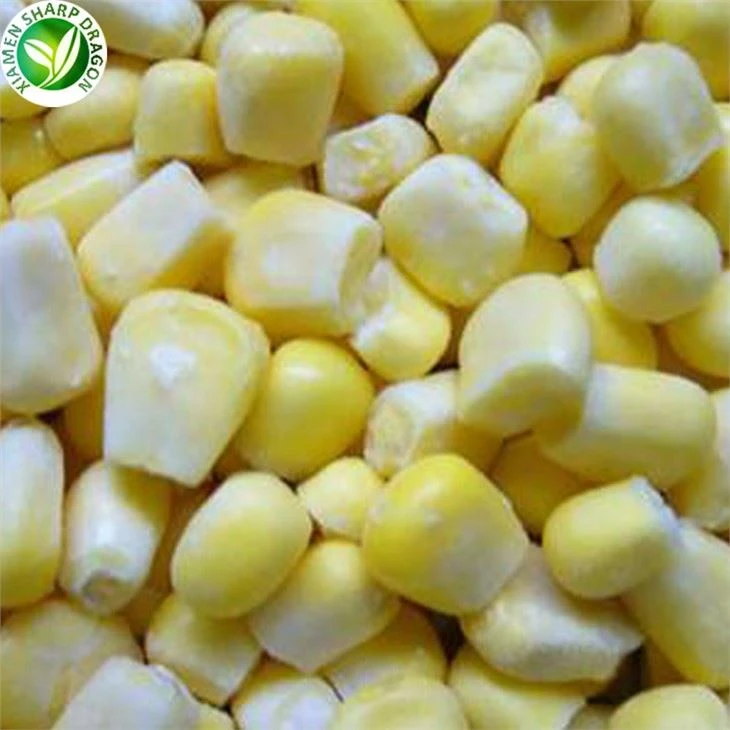


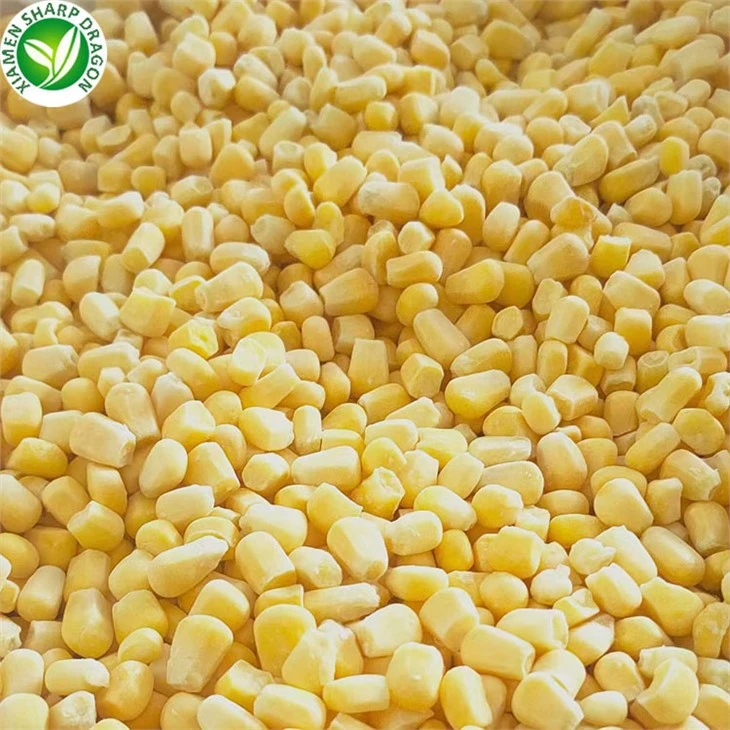
White Corn Kernels
IQF white corn kernels from Shandong, China, with 10kg bulk cartons and 300g, 500g, 900g and 1kg retail packing. A 24-month shelf life supports frozen-range planning for specialty retail brands.
Product Details
White Corn Kernels for a Distinct Frozen Retail Range
We supply white corn kernels in IQF form for brands building a distinct frozen corn offer. The program includes a 10kg bulk carton with a blue PE bag, alongside smaller retail weights. The product is sourced from Shandong, China, and has a stated shelf life of 24 months. Retail selection should start with the product the customer expects to see: kernel colour, whole-kernel appearance and the eating result matter alongside the bag size and label presentation.
Request a Product QuoteCommercial Ingredient Specification
| Product | White corn kernels |
|---|---|
| Freezing method | Individually quick frozen (IQF) |
| Origin | Shandong, China |
| Carton packing | 10kg carton with blue PE bag |
| Retail packing | 300g, 500g, 900g and 1kg bags |
| Bag presentation | Transparent or coloured bags |
| Shelf life | 24 months |
| Storage condition | Keep frozen |
| Crop seasons | June and October |
| Inspection | Supervised by the XMSD QC team |
Product Appearance

Position White Corn as a Product Choice
A white corn item should have a clear role in the retail assortment. The shopper may be choosing it for a familiar regional dish, for a lighter-coloured vegetable ingredient or for a particular appearance in the finished meal. The brand's product description can explain that role without using unsupported nutrition or health claims. Colour and product form are useful, observable points of distinction.
Keep the label and the approved sample aligned. A bag described as corn kernels should show and contain the kernel product rather than imply a cob portion or a puree. Comparing the prepared product with the packaging image helps the brand judge whether its presentation matches the buying expectation. Retail quality feedback is easier to interpret when the offer has a clear product identity.
Use the actual cooking or recipe context when reviewing samples. The product may look different on its own from the way it appears with sauces or other vegetables. A small development trial can establish the intended colour contrast and visible kernel distribution in a portion. Those observations are more useful for range positioning than simply calling the product premium.
Compare Bag Weights with the Retail Channel
The stated smaller weights include several retail unit choices. Choosing between them is a commercial decision about household use, shelf space and the intended price position. It should also account for the product information that must remain legible on the bag. A smaller unit still needs a clear product description, net weight and the brand's approved storage and preparation information.
Transparent and coloured bags are both part of the packing offer. A transparent presentation puts greater emphasis on the visible product condition. A coloured bag gives the brand more space for its own imagery and communication. Neither presentation replaces product inspection, and neither should be used to promise a particular measured quality grade that the corn specification does not establish.
The 10kg format is useful when the commercial program includes bulk receipt or downstream packing. A brand should map who opens that unit and where the retail packing operation occurs. This keeps the retail offer connected to the actual physical supply arrangement and avoids confusion between a bulk carton weight and the consumer-unit weight printed on the final bag.
Review Appearance and Cooking Performance Together
Sample assessment should include kernel condition, visible unwanted vegetable material and consistency of presentation. The corn should also be reviewed after the intended preparation method. A frozen sample alone cannot show the final eating texture or how the kernels look in a consumer portion.
For a brand, it is useful to retain both a product sample and photographs of the prepared result. Development, procurement and quality teams can then refer to the same benchmark. If a later sample appears different, the preparation record helps distinguish an ingredient difference from a change in cooking time or recipe. Record how the sample was heated and what other ingredients were present.
The XMSD QC team supervises this product program. That supervision supports the product discussion, while the retail brand's own approval criteria determine the finished presentation it intends to sell. A clear description of acceptable appearance and eating texture is easier to work with than a general quality description.
Protect the Product from Receipt to the Freezer Shelf
Keep the corn frozen through receiving, storage and distribution. An IQF product still needs careful handling at warehouse transfer points and during retail replenishment. At receipt, review the outer carton, inner bag and product condition before the stock is dispersed through the warehouse. Keep the date and carton identification connected to the incoming lot.
The stated life is 24 months. Stock rotation should use the product's production and date identification, alongside its storage history. Packaging damage or changes in frozen condition deserve attention even when the stock remains within its stated life. A shelf-life figure is one part of inventory control, rather than a substitute for good receiving and storage practice.
The packing choice can help staff identify and handle the product, but it does not remove the need for a frozen distribution plan. Clear case descriptions, legible date information and a consistent consumer-unit structure reduce confusion at handover. Those operational details become especially useful when a brand carries several corn items or vegetable products in the same range.
Keep Brand Approval and Supply Communication Connected
A retail launch brings product selection, packaging and supplier approval together. The approved product description should stay consistent across the commercial order, bag artwork and internal range record. The variety or colour identity should not change simply because the design team uses a generic corn photograph. A clear handover between procurement and artwork teams reduces avoidable rework.
Our company certification information is linked for supplier-qualification review. Read it alongside the product specification and the relevant production arrangement. A company certificate graphic does not establish every product claim that may appear on a consumer bag. Keeping document review separate from packaging claims gives the brand a more reliable basis for its own label approval.
A quotation uses the required volume, destination and selected consumer weight. The intended retail channel is useful context for the pack presentation and supply discussion.
Common Purchasing Questions
What retail weights are listed?
The smaller-unit options are 300g, 500g, 900g and 1kg.
Is bulk packing included?
Yes. The bulk format is a 10kg carton with a blue PE bag.
What bag presentation is offered?
The program lists transparent and coloured bags.
How should the corn be handled?
Keep it frozen through storage and distribution. Date rotation and pack condition remain part of normal stock control.
View XMSD certification information
Build a White Corn Retail Program with XMSD
Send your retail weight, volume and destination for a focused white corn quotation.
Request a Product QuoteHot Tags: white corn kernels, IQF white corn, retail frozen corn supplier, Frozen Corn Price, corn young, young corn, Frozen Corn Cob For Sale, young corn price, young corn can
Send Inquiry
