


Fried Onion Rings
At XMSDfood, we supply ready-to-eat vacuum-fried onion rings for snack importers, foodservice distributors, private label brands, retail chains and ingredient buyers. Fresh onions are peeled, sliced into natural rings, separated, vacuum fried at 80–85°C, de-oiled, cooled and packed in high-barrier foil bags. Available programs include original onion flavor, lightly salted recipes, retail packs, foodservice packs, vacuum packing, nitrogen-flushed packing, batch COA and OEM artwork support.
Product Details
Ready-to-Eat Vacuum-Fried Vegetable Snack
Vacuum-Fried Onion Rings for Wholesale, Retail and Private Label
At XMSDfood, we supply shelf-stable vacuum-fried onion rings for snack importers, distributors, retail chains, foodservice buyers and private label brands.
Low-temperature vacuum frying removes moisture while developing a crisp texture and natural cooked-onion flavor.
The product is made from cross-cut onion layers without batter, breadcrumbs or a formed cereal base.
No freezing or final cooking is required. The sealed product has a standard shelf life of 12 months.
We support high-barrier foil bags, vacuum packing, nitrogen-flushed retail packs, private label artwork and batch-release documents.
Product Video
View Our Vacuum-Fried Onion Rings
Review the product appearance together with our size standard, intact-ring target, packaging plan, laboratory results and retention sample.
Request Processing or Packing VideoProduct Images
Crispy Natural Onion Ring Appearance

Wholesale Vacuum-Fried Onion Rings
Natural onion layers with a crisp, dry bite and light golden appearance.

Ready-to-Eat Onion Snack
Suitable for retail snack packs, foodservice portions and private label programs.

Bulk and OEM Supply
Ring size, flavor, pack weight, foil structure, label and carton marks can be configured for your market.
Product Definition
Vacuum-Fried Snack, Not Frozen Battered Onion Rings
Natural onion rings, uncoated, fully fried, de-oiled, ready to eat, shelf stable and packed in moisture-resistant foil bags.
A separate product category containing batter or breadcrumbs, stored at -18°C and cooked again before consumption. This page does not describe that product.
Vacuum-Frying Process
Low-Temperature Processing at 80–85°C
Lower pressure allows moisture to evaporate at a lower temperature than conventional atmospheric frying.
The fried product passes through centrifugal or vacuum de-oiling before cooling and inspection.
The product is cooled in a controlled dry area before seasoning, grading and packing.
Packing protects the finished rings from oxygen, light, humidity and physical damage during storage and shipment.
Ring Size Programs
Natural Ring Sizes and Slice Thickness
Small Rings
Outer diameter 20–40mm for mixed snack packs, toppings and smaller retail portions.
Medium Rings
Outer diameter 40–60mm for standard retail and foodservice programs.
Large Rings
Outer diameter 60–80mm for premium visible-ring presentation.
Standard Cutting
Raw slice thickness 3–5mm with a natural ring-wall width of approximately 5–15mm.
Formula Options
Original and Customized Onion Ring Recipes
Ingredients: Fresh onion, palm oil and maltose.
Reference Process Input: Palm oil 6.0% and maltose 0.2%.
Finished salt target 0.8%–1.2% with a clean onion-forward flavor.
A recipe based on onion and frying oil without added maltose for selected private label projects.
Sea salt, black pepper, chili, barbecue and custom seasoning blends are available.
Yellow onion is the standard raw material. White onion and red onion programs can be developed for differentiated color and flavor.
Packaging Selection
Choose Packing by Ring Integrity and Sales Channel
Suitable for foodservice, ingredient applications and projects where compact packing is more important than maximum whole-ring retention.
Suitable for retail packs requiring better protection against crushing and oxidation.
An oxygen absorber can be added to selected high-barrier packs for additional oxidation control.
Inner-bag arrangement, carton dimensions and loading pressure are configured to reduce ring breakage.
Procurement Logic
What Determines Product Cost and Commercial Performance
A higher intact-ring requirement increases sorting, protective packing and handling requirements.
Large-ring programs require larger raw onions and generate a different usable yield than mixed-size programs.
Oil type, seasoning, salt level and maltose requirement affect the process and ingredient cost.
Smaller printed packs require more packaging material, artwork coordination and packing time per metric ton.
Vacuum-fried onion rings have a low bulk density, so carton dimensions and compression limits affect container loading more than product weight alone.
Buyer Risk Control
How We Control the Main Vacuum-Fried Onion Risks
Slice thickness, onion maturity, de-oiling, cooling, bag filling, vacuum level and carton pressure are controlled together.
Moisture, water activity, cooling-room humidity, package barrier and seal integrity are checked before release.
Frying-oil management, de-oiling, oxygen control, light protection and retention-sample testing support shelf-life stability.
Raw onion sugar level, slice thickness, frying temperature, residence time and final color sorting are controlled.
Uneven slices and incomplete dehydration are removed through process control and finished-product inspection.
Post-frying dry-area hygiene, environmental monitoring, personnel control and finished-product microbiology are included in the release program.
Mobile Specification Cards
Vacuum-Fried Onion Ring Specifications
Product: Vacuum-Fried Onion Rings
Category: Shelf-stable ready-to-eat vegetable snack
Origin: Fujian, China
Standard Onion: Yellow onion
Coating: None
Consumption: Ready to eat after opening
Supply Period: Year-round
Ingredients: Onion, palm oil and maltose
Palm Oil Process Input: 6.0%
Maltose Process Input: 0.2%
Preservatives: None in the standard recipe
Artificial Color: None
Frying Method: Low-temperature vacuum frying
Frying Temperature: 80–85°C
Post-Frying Process: De-oiling, cooling, grading and packing
Finished Condition: Dry, crisp and shelf stable
Small: 20–40mm outer diameter
Medium: 40–60mm outer diameter
Large: 60–80mm outer diameter
Mixed Size: 20–80mm
Raw Slice Thickness: 3–5mm
Natural Ring Width: Approximately 5–15mm
Color: Golden yellow to light golden brown
Flavor: Natural sweet and savory fried-onion flavor
Aroma: Clean cooked-onion aroma without rancidity
Texture: Crisp and dry without leathery or soft pieces
Aftertaste: Free from burnt, bitter or stale-oil notes
Intact and Half Rings: ≥85%
Broken Pieces Over 10mm: ≤10%
Fines Below 10mm: ≤5%
Dark or Burnt Pieces: ≤2%
Soft or Under-Fried Pieces: ≤2%
Onion Peel, Root or Crown Material: ≤0.2%
Metal, Glass, Stone and Hard Plastic: Absent
Moisture: ≤5.0%
Water Activity: ≤0.60
Headspace Oxygen for Nitrogen Packs: ≤3.0%
Package Seal: Continuous and leak-free
Acid Value of Extracted Fat: ≤3.0mg KOH/g
Peroxide Value of Extracted Fat: ≤10meq O₂/kg
Rancid Odor or Flavor: Absent
Frying-Oil Record: Connected to the production lot
Total Plate Count: ≤10,000 CFU/g
Coliforms: ≤10 CFU/g
E. coli: <10 CFU/g
Staphylococcus aureus: ≤100 CFU/g
Bacillus cereus: ≤1,000 CFU/g
Yeast: ≤100 CFU/g
Mould: ≤100 CFU/g
Salmonella: Absent in 25g
Listeria monocytogenes: Absent in 25g
Lead: ≤0.10mg/kg
Cadmium: ≤0.03mg/kg
Pesticide Residues: Compliant with the approved destination-market MRL list
Multi-Residue Report: Available for commercial production lots
Standard Formula: No wheat, egg, milk, soy, peanut, tree nut, sesame, fish, shellfish or crustacean intentionally added
Gluten-Free Program: <20mg/kg gluten
Plant-Based Formula: Available
Allergen Statement: Issued against the approved factory and recipe
50g: 40 bags/carton, 2.0kg net
100g: 20 bags/carton, 2.0kg net
150g: 16 bags/carton, 2.4kg net
200g: 12 bags/carton, 2.4kg net
Pack Style: Printed high-barrier foil pouch with nitrogen flushing
500g: 6 bags/carton, 3.0kg net
750g: 4 bags/carton, 3.0kg net
1kg: 5 bags/carton, 5.0kg net
Bulk Pack Style: Vacuum-packed or nitrogen-flushed aluminium foil bag
Storage Temperature: 5–25°C
Relative Humidity: ≤65%
Storage Conditions: Sealed, dry and protected from direct light and heat
Shelf Life: 12 months from production
After Opening: Reseal and consume within 48 hours
Standard MOQ: 1,000kg per approved SKU
Lead Time: 20–30 days
20-Foot Dry Container: Approximately 766 cartons for 750g × 4 packing
Reference 20GP Net Weight: Approximately 2.30 MT
40-Foot High-Cube: Approximately 1,695 cartons for 750g × 4 packing
Reference 40HQ Net Weight: Approximately 5.09 MT
Trade Terms: FOB, CFR or CIF
Food-Safety Systems: BRC, HACCP, ISO 22000 and ISO 9001
Additional Programs: KOSHER, HALAL and FDA-related documentation
Technical Files: Product specification, process flow, ingredient statement and nutrition data
Compliance Files: Allergen, GMO, irradiation and packaging declarations
Batch Files: COA, microbiology, water activity, oil-quality results and traceability record
Shipping Files: Invoice, packing list, bill of lading, certificate of origin and health documents
Applications
Commercial Uses for Vacuum-Fried Onion Rings
Retail Snack Packs
Original, salted or seasoned onion rings in printed foil pouches for supermarkets, convenience stores and online retail.
Foodservice Snacks
Ready-to-serve portions for cafés, bars, hotels, catering companies and snack counters.
Salad and Soup Toppings
Broken rings and smaller pieces provide onion flavor and crisp texture for salads, soups and meal kits.
Burger and Sandwich Toppings
Crisp onion pieces for burgers, sandwiches, wraps and prepared-food assembly.
Snack Mixes
Onion rings can be combined with vacuum-fried okra, mushrooms, carrots, pumpkin, sweet potato or mixed vegetables.
Industrial Ingredient Use
Smaller pieces and controlled fragments for seasoning blends, prepared foods, instant meals and crunchy toppings.
Quality Control
How We Process Vacuum-Fried Onion Rings
We inspect onion size, firmness, maturity, decay, sprouting, mould and physical damage.
Outer skin, roots, crown material and damaged layers are removed.
Peeled onions are washed before cutting to reduce soil and surface material.
Onions are cut into 3–5mm slices to form natural circular layers.
Layers are separated and checked for peel, root fragments, decay and abnormal color.
The approved original, maltose-free or seasoned formula is applied before frying.
Onion rings are fried under reduced pressure at 80–85°C.
Excess surface oil is removed immediately after frying.
The product is cooled before seasoning and packing while controlling environmental moisture.
Dark, burnt, soft, undersized and excessive broken pieces are removed.
Reference detector sensitivity is Fe 1.5mm, non-ferrous 2.0mm and stainless steel 2.5mm.
Net weight, seal integrity, headspace oxygen, batch code, artwork and carton marks are checked.
Released cartons are stored in a dry, shaded warehouse before dry-container loading.
COA Support
Vacuum-Fried Onion Ring Batch COA
We connect the batch COA with the approved recipe, ring-size program, production record, laboratory results, packing code and shipment documents.
Product name, recipe code, onion type, ring-size grade, lot number, production date, expiry date and packing.
Ring diameter, slice thickness, intact-ring percentage, broken pieces, fines, burnt pieces and foreign material.
Moisture, water activity, seal integrity and headspace oxygen for nitrogen-flushed packs.
Acid value, peroxide value, sensory oxidation assessment and production oil record.
TPC, coliforms, E. coli, Staphylococcus aureus, Bacillus cereus, yeast, mould, Salmonella and Listeria monocytogenes.
Lead, cadmium, pesticide residues, gluten result for gluten-free projects and approved allergen declaration.
Release status connects the COA, production record, packing record, retention sample and shipment documents.
Product and Supply Images
Vacuum-Fried Onion Ring Product Display


Certification Support
Certificates and Technical Documents

Food-safety systems: BRC, HACCP, ISO 22000 and ISO 9001.
Additional programs: KOSHER, HALAL and FDA-related documentation.
Technical documents: Specification, process flow, ingredients, nutrition data, allergen declaration and packaging specification.
Batch documents: COA, microbiology, water activity, oil-quality report, pesticide results and traceability record.
View CertificationsFactory and Supply Support
Production, Inspection and Export Coordination

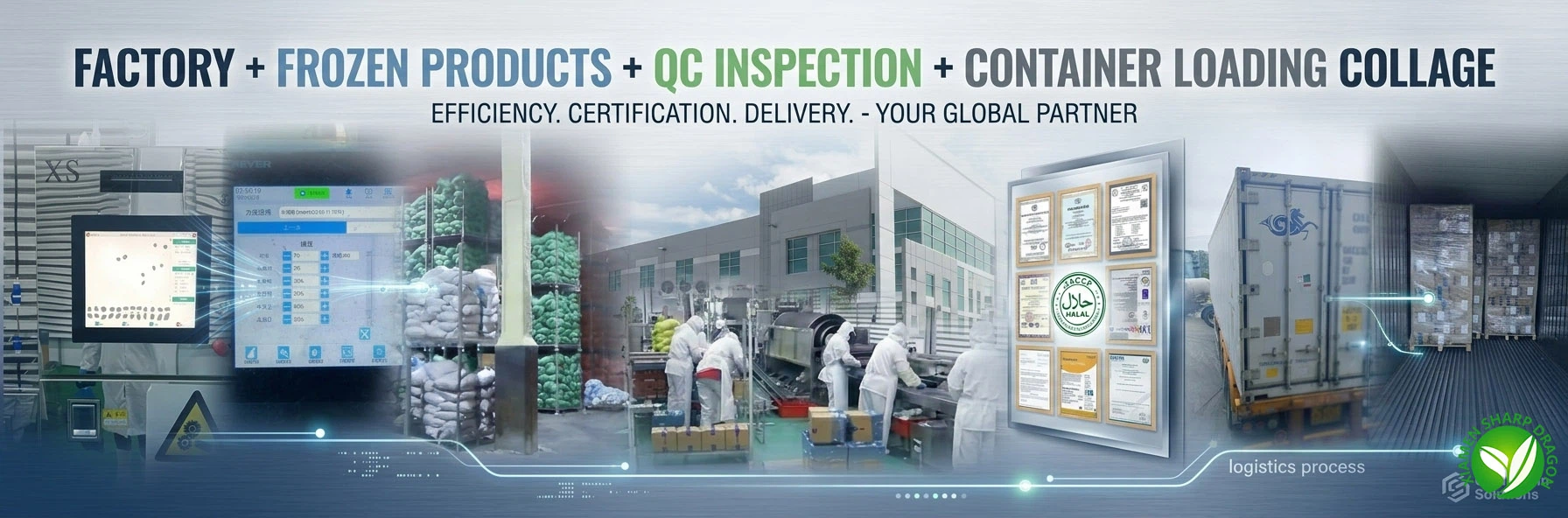
At XMSDfood, we coordinate recipe approval, sample evaluation, production planning, inspection, laboratory release, packaging and dry-container shipment.
For vacuum-fried onion rings, we define the ring size, intact percentage, moisture, water activity, oil-quality parameters, pack structure and shelf-life standard before production.
Customer factory visits, remote video reviews and third-party inspections by SGS, BV or Intertek can be arranged for commercial orders.
Request Online Factory ReviewWhy Choose XMSDfood
A Specification-Based Vacuum-Fried Snack Program
We clearly distinguish shelf-stable vacuum-fried rings from frozen battered onion rings.
Whole rings, half rings, fragments and fines are controlled through written defect limits.
Moisture, water activity, oil oxidation and packaging integrity are included in the product-release plan.
We connect the recipe, nutrition data, allergens, artwork, barcode, batch code and carton marks.
The lot code connects raw onion records, frying data, laboratory release, packing and shipment documents.
Packaging and Logistics
Ambient Packing and Dry-Container Shipment
The primary pack protects against oxygen, moisture and light during the declared shelf life.
Nitrogen-flushed packs provide additional space around the rings and reduce compression damage.
Carton dimensions, stacking height and container loading pressure are controlled to reduce breakage.
This product is shipped in a dry container and is not mixed with frozen cargo in the same container.
Vacuum-fried onion rings can be combined with compatible ambient vacuum-fried fruit and vegetable snacks.
FAQ
Vacuum-Fried Onion Ring Purchasing Questions
Are these frozen battered onion rings?
No. They are uncoated, vacuum-fried, shelf-stable onion rings that are ready to eat after opening.
Do the onion rings require cooking?
No. The finished product is fully processed and can be consumed directly from the package.
What onion-ring sizes are available?
Small 20–40mm, medium 40–60mm, large 60–80mm and mixed 20–80mm programs are available.
What is the standard slice thickness?
The standard raw onion slice thickness is 3–5mm.
How do you control broken pieces?
The standard target is at least 85% intact or half rings, no more than 10% larger broken pieces and no more than 5% fines.
What is the moisture target?
Finished moisture is limited to 5.0%, with a water-activity target of 0.60 or below.
What is the standard recipe?
The standard ingredients are onion, palm oil and maltose. Reference process inputs are palm oil 6.0% and maltose 0.2%.
Can you produce a no-added-maltose recipe?
Yes. An onion-and-oil formula without added maltose is available for selected OEM projects.
Can you produce gluten-free onion rings?
Yes. The gluten-free program uses an uncoated recipe and a finished-product gluten limit below 20mg/kg.
What packaging protects complete rings?
Nitrogen-flushed high-barrier foil bags provide better physical protection than tightly compressed vacuum packs.
What is the shelf life?
The standard shelf life is 12 months in sealed packaging at 5–25°C in a dry place protected from light and heat.
What is the MOQ?
The standard MOQ is 1,000kg for one approved recipe, ring-size grade and packing specification.
Can you provide samples?
Yes. Samples can be evaluated for ring size, intact percentage, flavor, crispness, oiliness and packaging performance.
Can you provide a COA?
Yes. The COA can include physical inspection, moisture, water activity, oil-quality results, microbiology, heavy metals and release status.
Do you support private label packing?
Yes. We support printed foil bags, nutrition panels, ingredients, allergen statements, barcodes, batch codes and carton artwork.
Can the product be loaded with frozen food?
No. Vacuum-fried onion rings are ambient dry cargo. They can be combined with other compatible shelf-stable vacuum-fried snacks.
What is the standard lead time?
Standard production, testing and shipment preparation require approximately 20–30 days.
How are quality claims reviewed?
Please provide the lot code, package photographs, seal condition, affected quantity, storage conditions and product photographs. We review the case against the approved specification, COA, retention sample and production records.
Start Your Onion Ring Project
Send Us Your Vacuum-Fried Onion Ring Requirements
Please include the required ring size, intact-ring percentage, flavor, pack weight, vacuum or nitrogen packing, quantity, destination port and testing requirements.
Request a Quote Get Sample Request COA OEM Inquiry View CertificationsRelated Products
Other Vacuum-Fried Vegetable Snacks
Vacuum-Fried Okra
Whole crispy okra for retail snack and mixed-vegetable packs.
Vacuum-Fried Mushroom Chips
Shiitake and oyster mushroom snacks for wholesale and private label.
Vacuum-Fried Carrot Chips
Crispy carrot slices for vegetable snack blends and retail packs.
Vacuum-Fried Pumpkin Chips
Pumpkin slices with original or lightly seasoned flavor options.
Vacuum-Fried Mixed Vegetables
Custom vegetable snack blends for foodservice, retail and OEM programs.
Hot Tags: vacuum fried onion rings, fried onion rings supplier, crispy onion snack, bulk onion rings, OEM vegetable snacks, sweet potato chips purple, french fry coated onion rings, deep fried frozen onion rings, air fryer fried onion, onion ring strings, purple skin yellow flesh sweet potato
Send Inquiry
