




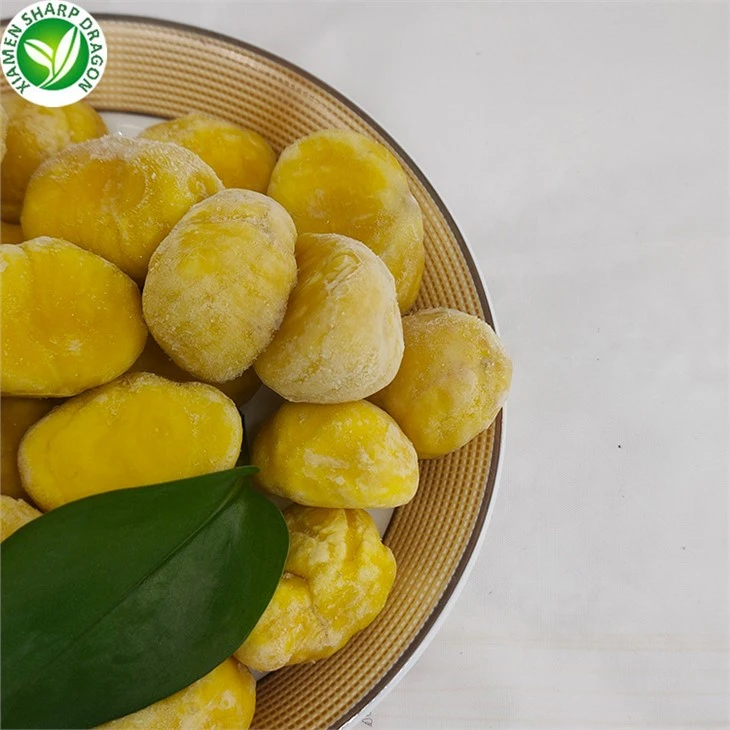

Frozen Chestnuts
Roasted and quick-frozen peeled chestnuts with a semi-soft texture and sweet taste. The supply specification includes 24 months shelf life, metal-detector inspection and frozen storage at -20°C for bakery and dessert ingredient sourcing.
Product Details
Frozen Chestnuts for Bakery and Dessert Ingredient Sourcing
We supply frozen chestnuts for bakeries and dessert producers who need a peeled chestnut ingredient with a roasted processing condition. The product is described as roasted and quick frozen, with a semi-soft texture and sweet taste. The useful buying decision is how that preparation fits a filling, dough inclusion or visible dessert component. Evaluate the frozen ingredient within your own recipe and processing routine.
Request a Product QuoteCommercial Ingredient Specification
| Product | IQF chestnuts |
|---|---|
| Processing condition | Roasted and quick frozen |
| Kernel preparation | Peeled chestnut kernels |
| Texture | Semi-soft |
| Taste | Sweet |
| Shelf life | 24 months |
| Storage condition | Frozen storage at -20°C |
| Inspection | Metal-detector inspection after freezing |
Product Appearance
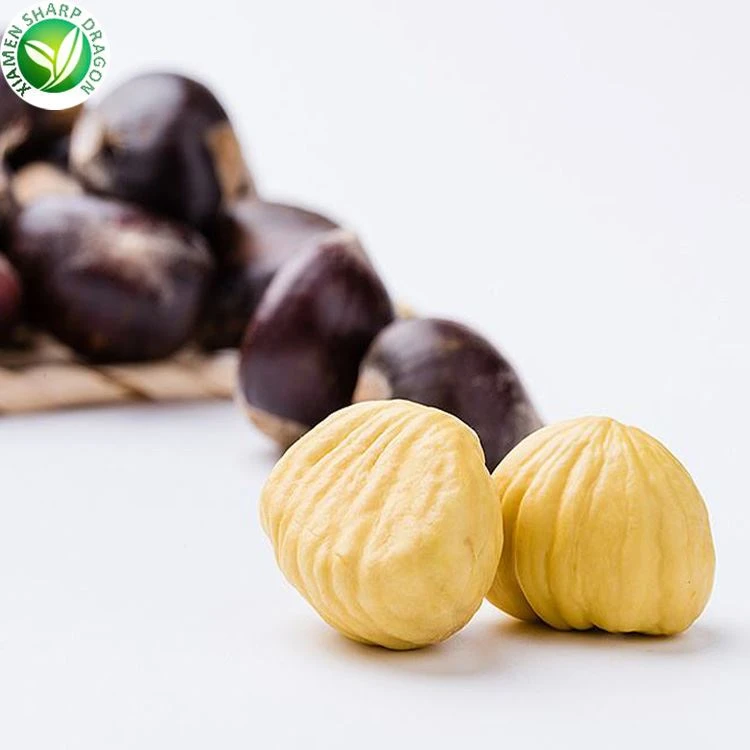
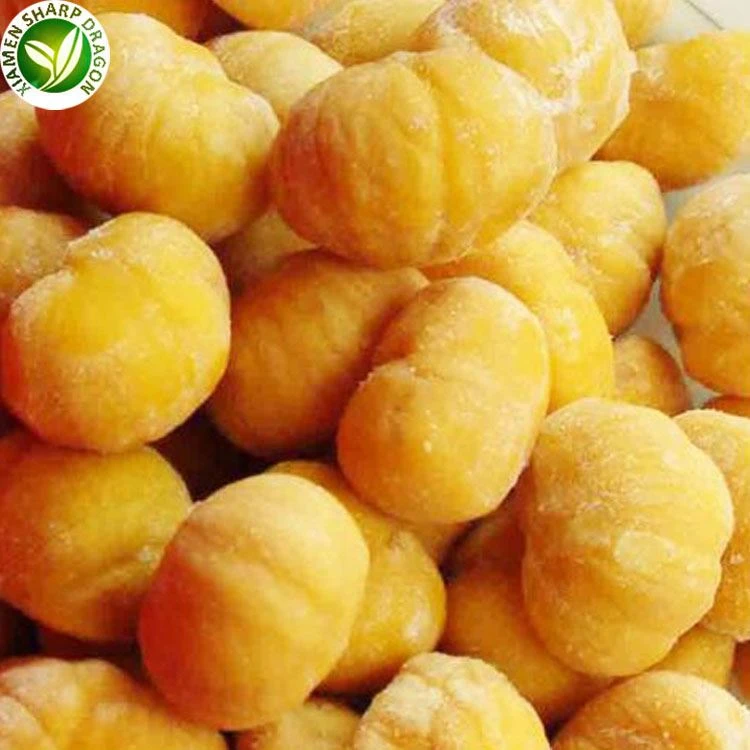

Select Chestnuts by Their Recipe Role
A chestnut used as a visible dessert ingredient has a different job from one incorporated into a filling. The first use places greater emphasis on the appearance of the individual kernel. A filling producer also evaluates how the chestnut breaks down during its own processing. The buying brief should connect the product to that actual recipe role rather than treating every chestnut application as interchangeable.
This supply is prepared from peeled kernels. Any subsequent chopping, blending or portioning belongs to the buyer's manufacturing route. The product should not be described as an existing diced or puree supply simply because a bakery can process it that way. Keeping the supplied form separate from the finished recipe makes yield records and purchasing communication clearer.
Review a trial portion with the other ingredients present. Chestnut flavour and texture can read differently in a sweet pastry filling, a cream-based dessert or a savoury bakery product. The sample's prepared result is a more useful approval reference than a photograph of a few frozen kernels.
Evaluate the Roasted and Semi-Soft Condition
The roasted processing description distinguishes this product from an unroasted chestnut ingredient. It should remain attached to the development record and the purchase specification. The semi-soft texture is also relevant to mixing: the recipe team should observe whether the chestnuts remain visibly present or become dispersed during the intended manufacturing step.
Use the actual mixing and heating sequence when comparing samples. An early kitchen trial can identify a promising recipe direction, while a production trial shows the effect of batch size, mixer action and process time. If the finished dessert is reheated or held before service, include that stage in the assessment. This avoids judging the ingredient only at a convenient point in the recipe.
An acceptance description can record the prepared colour, chestnut flavour, texture and degree of visible kernel identity. These are useful product-development criteria rather than additional numeric tolerances. A written preparation record helps quality and commercial teams repeat the comparison when a later delivery is assessed.
Use Inspection Information in Ingredient Approval
The production description includes metal-detector inspection after freezing. This is a defined inspection step for the chestnut ingredient. It should be read as one part of the production control route, rather than a promise that every kind of foreign material is detected. The buyer's receiving and ingredient-approval procedures still assess the product's identity and condition.
Peeled chestnuts should also be reviewed for visible shell or skin material, damaged pieces and unusual appearance. These are practical evaluation points for the approved sample and receiving check. The acceptance basis belongs in the product specification used by the buyer's quality team.
Keep the inspected product and its pack identification connected in the receiving record. If a quality issue is found, retain the affected material with the relevant carton information and photographs. That gives the supplier and buyer a useful basis for investigating the actual product condition instead of relying on a general description.
Maintain Frozen Stock for Planned Production
The production description places the peeled chestnuts in frozen storage at -20°C. Maintain that frozen condition through the stock-handling plan. At receipt, inspect the outer package, the product condition and the date information together before the lot is incorporated into routine warehouse stock. A clear arrival record is useful when ingredients later enter several different recipes.
The stated shelf life is 24 months. Stock rotation still depends on production and date identification, pack integrity and storage history. A long shelf-life specification can support ingredient planning, but it is not a reason to overlook changes in frozen condition. The bakery's staging procedures determine how opened stock is controlled before use.
Batch planning should connect the amount opened to the actual recipe consumption. This helps avoid unnecessary product transfer and gives operators a consistent ingredient quantity basis. The final process and handling of the finished food remain part of the buyer's own manufacturing procedures.
Connect the Approved Sample to Repeat Supply
A repeat chestnut purchase should retain the same product and processing description used during development. The approved sample, recipe trial and ingredient specification should remain linked. This is particularly useful where one buyer uses chestnuts in several fillings or dessert products and the required appearance differs between recipes.
Our company certification information is available through the link below for supplier-qualification review. Read it with the relevant production arrangement and chestnut specification. A company document or graphic should not be treated as a substitute for the ingredient approval used in the bakery. Clear document handling keeps the qualification work connected to the actual product.
A focused quotation uses volume, destination and intended application. Identifying whether the chestnut is a visible inclusion or a filling ingredient keeps the commercial discussion centred on its real manufacturing job.
Product Video
Common Purchasing Questions
How is the chestnut processed?
The supply is roasted before quick freezing and is described as semi-soft.
Are the kernels peeled?
Yes. The production description identifies peeled chestnut kernels.
What inspection step is stated?
The route includes a metal-detector check after freezing.
Is this a chestnut puree?
We supply the frozen kernel ingredient. Further blending or chopping belongs to the buyer's own process.
View XMSD certification information
Source Frozen Chestnuts for Your Bakery Program
Send the volume, destination and bakery application for a focused chestnut ingredient quotation.
Request a Product QuoteHot Tags: frozen chestnuts, roasted frozen chestnuts, chestnuts for bakery ingredients, chestnuts peeled and cooked, Frozen Chestnut Meat, ready peeled chestnuts, chinese chestnut fruit, pre peeled chestnuts, pre prepared chestnuts
Send Inquiry
