


Frozen Edamame Buyer Guide: Fresh vs Frozen, Retail Formats and Commercial Supply
Mar 24, 2026

Frozen Edamame Buyer Guide: Fresh vs Frozen, Retail Formats and Commercial Supply
If you search for frozen edamame today, you will quickly see two different markets. One is the retail market, where products such as edamame in pod, shelled edamame, mukimame and organic frozen edamame are already familiar to consumers. The other is the commercial market, where the real question is not simply where to buy edamame, but how to buy it with stable quality, repeatable specifications, reliable packaging and year-round supply.
For a commercial buyer, edamame is no longer just a snack or side dish. It can be a restaurant menu item, a prepared-food ingredient, a frozen vegetable SKU, a supermarket private-label product, or a plant-forward component for food manufacturing. That means your purchasing decision must consider labor cost, yield, cold-chain performance, pack format, documentation and supplier reliability - not only shelf availability.
At XMSD, we look at frozen edamame from a buyer's perspective. A serious frozen edamame program should help buyers control risk, improve efficiency and build a stable supply plan for retail, foodservice and industrial processing.
Buyer focus: The right frozen edamame product is not only about whether it is available. It is about whether the format, grade, maturity, packing, documentation and supply schedule match your real business model.
What Is Frozen Edamame and Why Is It So Popular?
Edamame refers to edible immature soybeans harvested while the pods are still green and the beans are tender. Unlike dry soybeans used for oil or soybean processing, edamame is treated more like a vegetable ingredient. It is valued for its green appearance, tender texture, mild bean flavor and strong plant-based nutrition positioning.
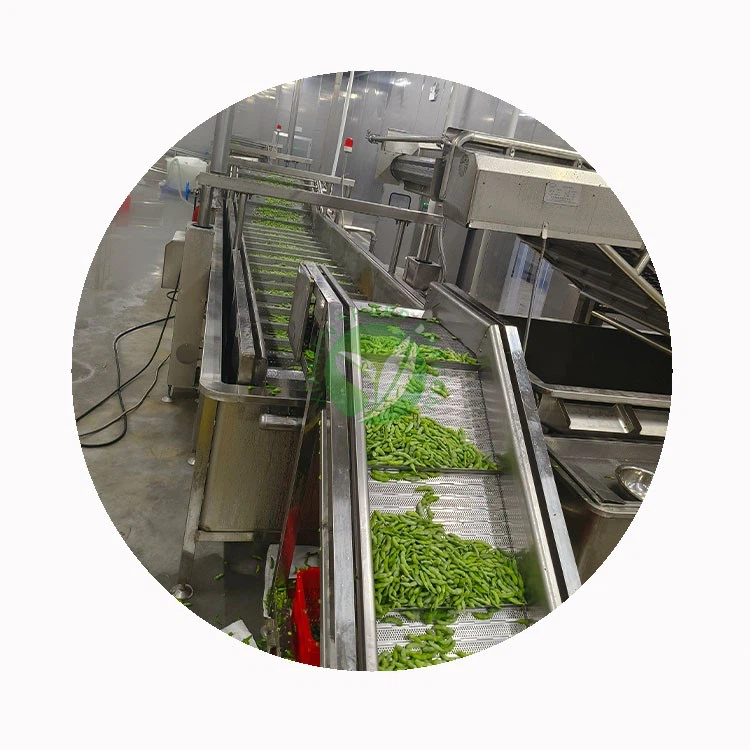
Frozen edamame is produced by harvesting suitable green soybeans, cleaning, blanching, cooling, freezing and packing them for frozen storage and distribution. In the market, frozen edamame is most commonly supplied in two physical formats:
- Edamame in pod: suitable for appetizers, snacks, casual dining, Japanese-style restaurants, bars, airline catering and retail side-dish packs.
- Shelled edamame / mukimame: suitable for bowls, salads, fried rice, meal prep, frozen meals, vegetable blends, food manufacturing and industrial ingredient use.
The reason frozen edamame is popular is simple: it fits modern food demand. Consumers like it because it is convenient and easy to prepare. Foodservice buyers like it because it reduces preparation steps. Food manufacturers like it because it provides a more standardized ingredient than fresh seasonal pods.
In other words, frozen edamame sits at the intersection of nutrition, convenience, operational control and commercial scalability.
Frozen Edamame vs Fresh Edamame Beans
Fresh edamame beans have strong appeal because they feel seasonal, local and close to harvest. In some regions, fresh edamame may be available through grocery stores, farmers markets or regional produce channels. However, fresh edamame availability is usually more seasonal and less standardized than frozen supply.
Frozen edamame, by contrast, is built for continuity. It is easier to store, easier to transport and easier to integrate into repeat purchasing systems. This difference matters especially for restaurants, distributors, supermarkets and food factories. A chef may use fresh edamame for a seasonal menu, but a chain buyer or industrial processor usually needs a format that supports monthly, quarterly and annual purchasing plans.
From a commercial perspective, the advantage of frozen edamame is not only convenience. It gives buyers a more predictable product platform for quality control, portioning, cost calculation and cold-chain planning.
In Pod, Shelled and Organic: Main Product Formats Buyers See
Today's frozen edamame market includes several formats. In-pod edamame is usually chosen for direct serving and snack-style consumption. Shelled edamame is chosen for speed, formulation and ingredient use. Organic frozen edamame supports premium retail, natural-channel programs and clean-label positioning.
These formats are not simply packaging differences. They reflect different downstream needs. A good supplier should be able to explain why one format fits a buyer's application better than another.
| Format | Best For | Buyer Value |
|---|---|---|
| Edamame in pod | Appetizers, snacks, restaurants, retail side dishes | Recognizable appearance and strong serving experience |
| Shelled edamame | Bowls, salads, fried rice, frozen meals, food processing | Labor-saving, easy portioning and better formulation efficiency |
| Organic frozen edamame | Premium retail, natural food stores, clean-label brands | Higher positioning and stronger premium category story |
Where Can You Buy Fresh or Frozen Edamame Today?
For consumers, frozen edamame can often be found through mainstream retail channels, grocery stores, natural food stores and delivery platforms. Fresh edamame may also appear in some regional grocery stores, produce channels or local markets, depending on season and location.
For commercial buyers, however, retail availability should only be treated as market evidence. It shows that the category is familiar to consumers, but it does not automatically prove that a supplier can support stable volume, consistent quality, the right documents and the correct packing structure for your business.
This is an important distinction. Retail presence confirms demand. Commercial supply capability confirms whether your business can build a repeatable program.
Fresh Edamame Beans: Why Availability Is Often Local and Seasonal
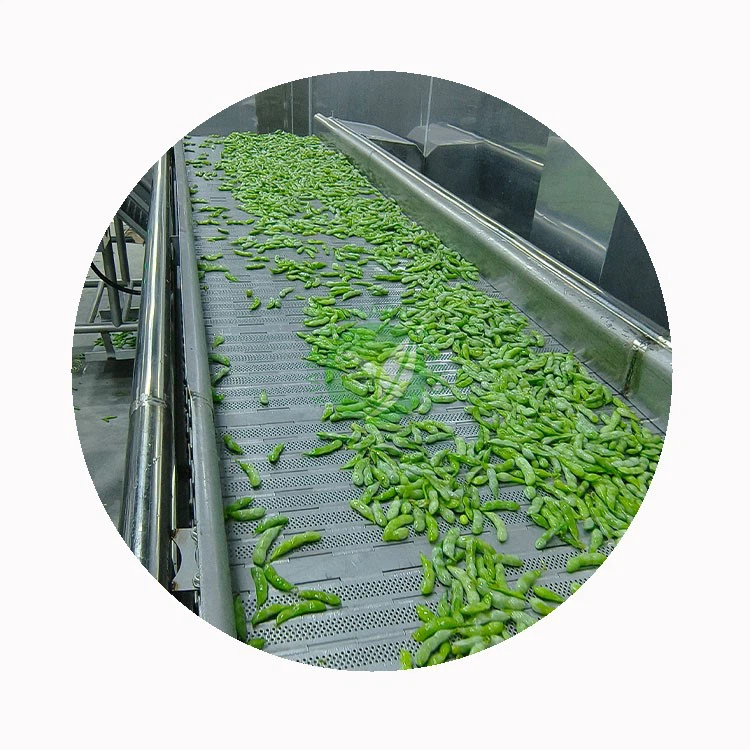
Fresh edamame is not impossible to source. The challenge is that fresh edamame is usually more dependent on harvest season, local distribution and short-term freshness. This makes it attractive for seasonal menus, but less ideal for large-scale purchasing programs.
A buyer may find fresh edamame in a local grocery store or produce channel during the right season. But that does not mean the same maturity, pod fill, appearance and volume will be available every month. For restaurants, food factories and retail programs, this creates planning risk.
Why Retail Availability Is Not the Same as Commercial Supply Stability
This is where many buying decisions go wrong. A buyer sees frozen edamame in major retail channels and assumes the sourcing side must be simple. In reality, commercial supply stability requires much stricter control.
Reliable commercial frozen edamame supply depends on harvest timing, raw material maturity, blanching control, IQF freezing performance, packing consistency, frozen storage, shipment planning and documentation readiness.
If your business needs repeated containers, private-label supply, foodservice cases or industrial ingredient packs, you should evaluate the supplier's system, not only the product name.
Fresh Edamame Beans vs Frozen Edamame: Which Is Better for Commercial Buyers?
Fresh and frozen edamame serve different purposes. Fresh edamame is useful when local supply is available and the buyer wants a seasonal, fresh-positioned product. Frozen edamame is usually the stronger choice when the buyer needs year-round availability, stable specifications, efficient preparation and scalable supply.
Year-Round Supply and Seasonal Risk
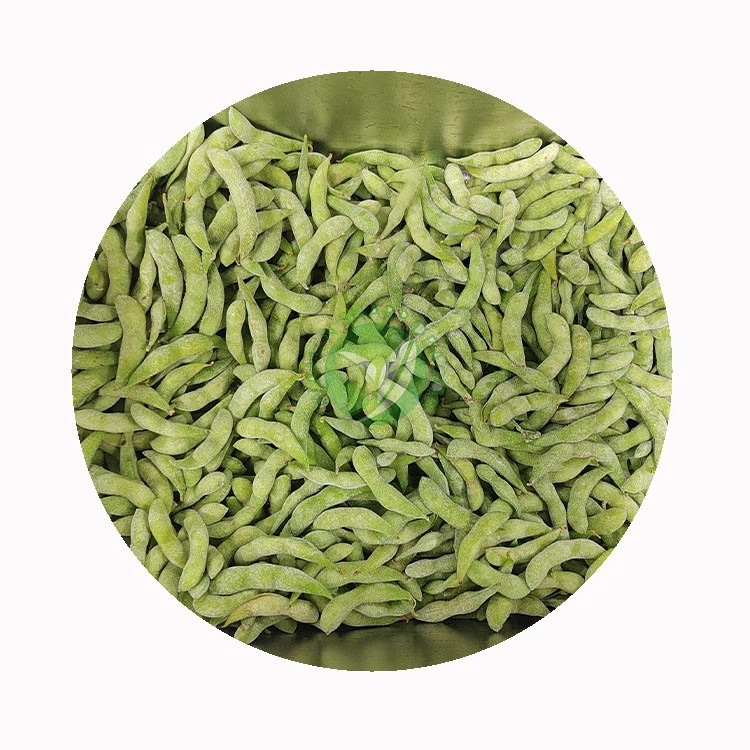
Fresh edamame can be excellent when the harvest window is open and local supply is strong. The problem is that it is tied closely to seasonality and immediate distribution. Frozen edamame is designed to solve that problem by turning seasonal harvest into a more manageable supply program.
If you manage procurement, you are not buying one bag. You are protecting a menu, a production schedule, a retail promotion or a private-label program. For annual contracts, multi-location operations and export-oriented distribution, frozen edamame is usually more practical.
Labor Savings, Portion Control and Kitchen Efficiency
In commercial kitchens, labor can be more expensive than the ingredient itself. That is why frozen edamame, especially shelled edamame, has strong value. It removes shelling, reduces preparation steps and gives buyers a product that can be portioned more accurately.
Shelled frozen edamame can be added directly to bowls, salads, rice programs, prepared meals and vegetable blends. This helps reduce waste, speed up service and support repeatable food cost calculation.
Consistency for Chain Restaurants, Meal Prep and Food Manufacturing
Consistency is where frozen edamame has a clear advantage. A chain restaurant does not want one location receiving smaller beans and another location receiving overmature pods. A food manufacturer does not want inconsistent color, yield or texture affecting finished product appearance.
Frozen edamame is valuable because it usually sits inside a more controlled commercial process. A reliable supplier can help buyers manage bean maturity, color, pod fill, defect level, packing style and shipment timing with much better predictability.
How to Choose the Right Frozen Edamame for Your Business
A smart buyer does not stop at the words "frozen edamame" on a quotation. You need to match the product form with your application, channel and cost structure.

In Pod or Shelled: Which Format Fits Your Application?
In-pod edamame is ideal when the eating experience and visual recognition matter. Casual dining, Japanese-style restaurants, bars, airline catering and snack programs often prefer in-pod edamame because it feels familiar and works well as a tabletop appetizer.
Shelled edamame is the efficiency format. It is better for central kitchens, frozen meals, poke bowls, salad kits, grain bowls, dumpling fillings, rice dishes and ingredient blending. If your application is direct serving, in-pod edamame may help with perception. If your application is assembly efficiency, shelled edamame is usually the better business decision.
Organic or Conventional: How to Decide Based on Market Positioning
Organic frozen edamame is not automatically the best choice. It is a positioning decision. If your business supplies natural retailers, premium frozen aisles, better-for-you prepared meals or clean-label brand programs, organic frozen edamame can support marketing differentiation.
Conventional frozen edamame remains the broader-volume option for mainstream foodservice, value retail and cost-sensitive manufacturing. For many buyers, conventional is the right answer when the priority is competitive landed cost, stable availability and simple program expansion.
What Buyers Should Check Before Ordering
Before approving a frozen edamame supplier, buyers should check more than the basic product name. The following points directly affect real commercial performance:
- Product form: in pod, shelled, organic, conventional, retail pack or bulk pack.
- Raw material maturity: pod fill, bean tenderness, color and harvest timing.
- Visual quality: green color, low blemish rate, low yellow pod rate and low broken bean rate.
- Processing control: blanching condition, cooling, IQF separation and freezing performance.
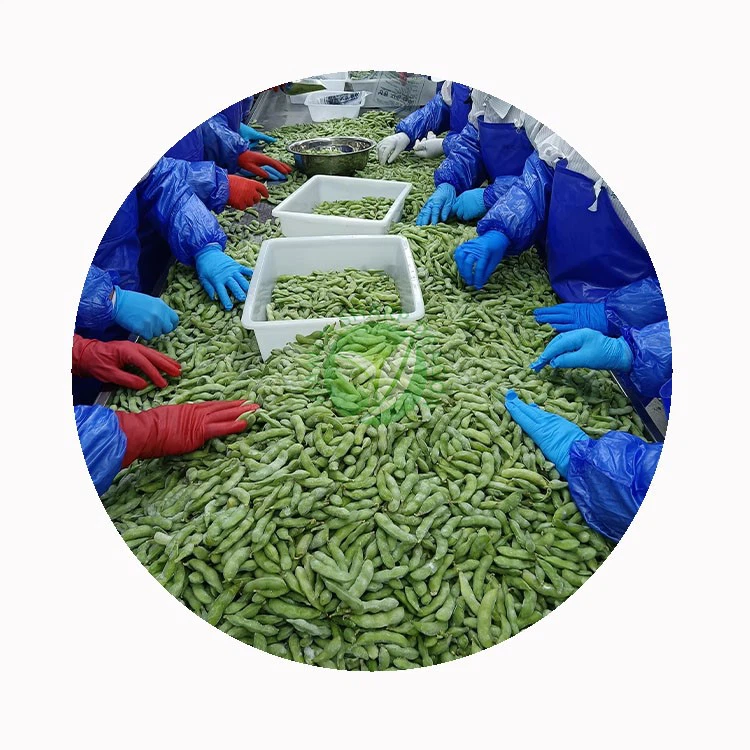
- Foreign material control: sorting, inspection and metal detection.
- Packaging: retail bags, foodservice pouches, bulk cartons or OEM private-label packs.
- Documents: specification, COA, microbiological data, residue control, storage condition and certification support.
Contact XMSD for Frozen Edamame Supply
Best Applications of Frozen Edamame in Foodservice and Processing
Frozen edamame can serve multiple commercial channels. The right format depends on whether the buyer is focused on serving experience, formulation efficiency, retail shelf appeal or industrial production.
For Restaurants and Chain Dining
Frozen edamame fits restaurants because it serves two needs at once: menu versatility and preparation efficiency. In-pod edamame works as a side dish, appetizer or bar snack. Shelled edamame works in salads, grain bowls, fried rice, noodle dishes and plant-forward menu extensions.
For chain operations, consistency matters more than trend value. A product only deserves menu space when it behaves predictably from store to store. Frozen edamame helps restaurant groups keep a green vegetable component on the menu without heavy preparation labor.
For Frozen Meal and Prepared Food Manufacturers
Prepared food manufacturers usually prefer shelled frozen edamame because it integrates cleanly into formula-based production. It adds green color, plant-protein positioning, texture contrast and label appeal.
It is suitable for grain bowls, mixed vegetable blends, ready meals, dumpling fillings, rice dishes and health-positioned frozen SKUs. In manufacturing, visual consistency is part of brand value, so buyers should test how the product performs after reheating, steaming, sauce contact and line handling.
For Supermarkets, Distributors and Private Label Programs
For supermarkets, frozen edamame can work as both a core frozen vegetable SKU and a premium better-for-you item. Standard edamame, shelled variants and organic options allow different positioning for different retail channels.
For distributors and private-label buyers, the opportunity lies in assortment planning. A value line may use conventional shelled edamame. A premium line may use organic or in-pod retail packs. A foodservice distributor may prefer larger bulk cases optimized for restaurants and catering.
The best program is not always the broadest one. It is the one built around actual downstream demand.
What a Reliable Frozen Edamame Supplier Should Offer
Frozen edamame starts in the field, not in the freezer. A reliable supplier should be able to explain raw material sourcing, harvest window, maturity control, processing schedule, blanching process, IQF freezing, packing options and frozen storage management.
Stable Raw Material Sourcing and Production Scheduling
A reliable supplier should not only sell available inventory. They should understand how to convert seasonal harvest into stable frozen supply. This includes raw material planning, peak-season processing capacity, batch control and shipment scheduling.
Buyers should ask practical questions: Can the supplier support annual volume planning? Can they separate organic and conventional products properly? Can they manage repeat orders instead of only spot shipments? These questions often reveal supplier capability more clearly than a simple price quotation.
Bulk Packing, Retail Packing and OEM Support
Commercial buyers need packaging flexibility. A restaurant distributor may need bulk cartons. A supermarket buyer may need retail-ready bags. A private-label customer may need OEM support with artwork, barcode, bag specification, carton marks and palletization standards.
This is especially important for frozen edamame because the category covers snack use, side-dish use, ingredient use and retail use. One fixed format rarely fits every buyer.
Documents Buyers Expect
Serious frozen vegetable procurement is document-driven. Buyers commonly expect product specifications, COA, microbiological data, residue control information, storage requirements, packing details and certification support.
Depending on the destination market, buyers may also request food safety certificates, organic documentation, audit records, allergen information or private-label compliance documents. A reliable supplier should prepare these documents clearly and respond quickly.

Buyer Tip: Do Not Compare Frozen Edamame by Price Only
A lower price may hide differences in maturity, defect rate, pod fill, broken bean rate, packaging, documentation and cold-chain control. For commercial purchasing, the real cost is not only the quoted price. It is the total cost after yield, labor, complaints, storage performance and shipment reliability are considered.
FAQ About Frozen Edamame and Fresh Edamame Beans
Is frozen edamame as good as fresh?
For many commercial applications, frozen edamame is often more practical than fresh. Fresh edamame can be attractive during season, but frozen edamame is easier to source consistently, easier to store, and easier to standardize in kitchens and factories.
Can I buy organic frozen edamame in bulk?
Yes. Organic frozen edamame can be supplied for premium retail, natural food channels and clean-label programs. Whether it is the right choice depends on your target market, customer positioning and margin structure.
Is shelled edamame better for foodservice kitchens?
In many cases, yes. Shelled edamame saves labor, speeds portioning and works better in bowls, salads, rice dishes and prepared meals. In-pod edamame is still valuable for appetizer and snack presentation.
Where can I buy fresh edamame beans?
Fresh edamame may be available through local grocery stores, farmers markets, regional produce channels or delivery platforms depending on season and location. However, commercial buyers usually choose frozen edamame when they need stable supply and repeatable specifications.
What packaging is common for frozen edamame?
Common options include retail bags, steamable bags, foodservice pouches, bulk cartons and private-label packaging. The best packaging depends on whether the product is used for retail sale, restaurant service, food manufacturing or distribution.
Is in-pod or shelled edamame more suitable for retail?
Both formats can work in retail. In-pod edamame is strong for snack and side-dish positioning, while shelled edamame is more convenient for recipe use, bowls and quick cooking. The best option depends on local consumer habits and retail positioning.
What should a buyer ask before approving a frozen edamame supplier?
Buyers should ask about origin, harvest timing, product form, maturity control, defect standards, packing options, storage conditions, lead time, COA availability, residue testing, certifications and whether the supplier can support annual volume planning.
Is frozen edamame suitable for private-label programs?
Yes. Frozen edamame is suitable for private-label programs because the category already has consumer recognition, multiple format options and room for value-tier, premium-tier and organic positioning.
What matters more: market availability or supplier capability?
For commercial buyers, supplier capability matters more. Market availability shows demand, but it does not guarantee stable quality, packaging flexibility, document readiness or long-term delivery performance. These are supplier-level questions.

Conclusion
Fresh edamame beans and frozen edamame are not used in exactly the same way. Fresh edamame fits seasonality, local availability and short-window merchandising. Frozen edamame fits procurement planning, repeatable quality, packaging flexibility and year-round business use.
If you are buying for a supermarket frozen program, a restaurant chain, a distributor or a food manufacturing line, frozen edamame usually gives you a stronger operational foundation.
The real decision is not whether frozen edamame exists in the market. It clearly does. The real decision is whether your supplier can turn that category demand into a stable commercial program for your business. That means the right format, the right documents, the right packing structure and the right production discipline.
At XMSD, we understand that commercial buyers do not need vague promises. You need reliable frozen vegetable supply, clear specifications, practical packaging options and a supplier who understands how procurement works in the real world.
If you are evaluating frozen edamame for retail, foodservice or food processing, XMSD can support you with product details, packing solutions, sample requests and sourcing guidance based on your target market and application.
Looking for reliable frozen edamame supply?
Contact XMSD to discuss in-pod edamame, shelled edamame, organic frozen edamame, bulk packing, retail packaging, OEM private-label options and annual supply planning.