

Is frozen spinach good for eye health?
Apr 29, 2026
Is Frozen Spinach Good for Eye Health?
As a dedicated supplier of frozen spinach, I've witnessed firsthand the growing interest in this leafy green's health benefits, especially when it comes to eye health. In this blog, we'll explore the scientific evidence behind the claim that frozen spinach is good for your eyes and how you can incorporate it into your diet.

The Nutritional Powerhouse Behind Eye Health
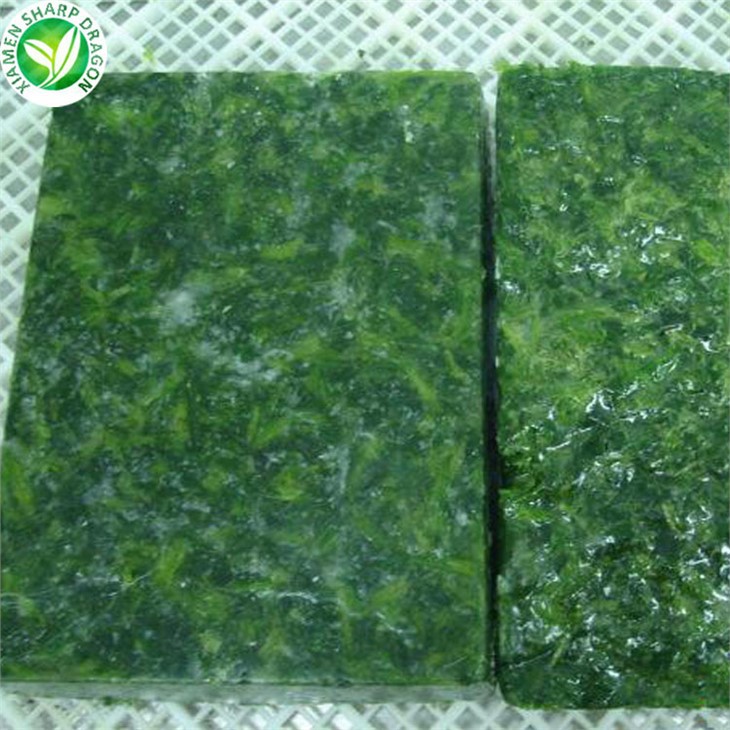
Frozen spinach is a nutrient - dense food that contains several essential vitamins and minerals known to support eye health. One of the key nutrients found in spinach is lutein and zeaxanthin. These carotenoids are concentrated in the macula of the eye, which is the part responsible for central vision. They act as antioxidants, protecting the eyes from damage caused by high - energy light waves such as ultraviolet rays and blue light.
A study published in the Journal of Nutrition found that a diet rich in lutein and zeaxanthin can reduce the risk of age - related macular degeneration (AMD), a leading cause of vision loss in older adults. Frozen spinach is an excellent source of these carotenoids, with a single serving providing a significant portion of the recommended daily intake.
In addition to lutein and zeaxanthin, spinach is also high in vitamin A. Vitamin A is crucial for maintaining the health of the cornea, the clear outer layer of the eye. It is also a component of rhodopsin, a protein in the retina that helps with night vision. A deficiency in vitamin A can lead to night blindness and other eye problems. Frozen spinach retains much of its vitamin A content, making it a convenient way to ensure you're getting enough of this important nutrient.
Why Choose Frozen Spinach?
You might be wondering why frozen spinach is a good option compared to fresh spinach. The truth is that frozen spinach offers several advantages. First, it is available year - round. Fresh spinach has a limited growing season and can be difficult to find in some areas during certain times of the year. On the other hand, frozen spinach is always in stock and can be easily purchased at your local grocery store or online, like our Frozen Spinach Bulk option.
Second, frozen spinach is often more nutritious than fresh spinach. When spinach is frozen, it is typically blanched first, which stops the enzyme activity that can cause nutrient loss. As a result, frozen spinach can retain more of its vitamins and minerals compared to fresh spinach that may have been sitting on the shelf for days.
Finally, frozen spinach is more convenient. It can be stored in the freezer for months, eliminating the need to worry about spoilage. You can simply take out the amount you need and use it right away, whether it's for a smoothie, a stir - fry, or a spinach pie.
How to Incorporate Frozen Spinach into Your Diet
There are countless ways to add frozen spinach to your diet to support your eye health. One of the easiest ways is to make a spinach smoothie. Blend frozen spinach with your favorite fruits, such as bananas, berries, or mangoes, along with some yogurt or milk. This not only provides a delicious and refreshing drink but also packs a powerful nutritional punch for your eyes.
You can also use frozen spinach in pasta dishes. Thaw the spinach and squeeze out the excess water, then add it to your favorite pasta sauce. The spinach will add a vibrant color and a boost of nutrients to your meal. Another option is to make spinach and feta stuffed chicken. Mix thawed frozen spinach with feta cheese, garlic, and some seasonings, then stuff it into chicken breasts before baking.
If you're looking for a quick and easy snack, try making BQF Frozen Spinach Ball. These pre - made spinach balls are convenient and can be baked in the oven for a delicious and healthy snack or appetizer.
The Cost - Effective Way to Eye Health
When it comes to cost, frozen spinach is a great option. It is often more affordable than fresh spinach, especially when bought in bulk. You can check out our Frozen Spinach Price Per Pound to see how cost - effective it can be to incorporate frozen spinach into your diet regularly.
By choosing frozen spinach, you're not only getting a nutrient - rich food for your eye health but also saving money in the process. This makes it a practical choice for families and individuals who are looking to maintain a healthy diet without breaking the bank.
Conclusion and Call to Action
In conclusion, the evidence is clear that frozen spinach is indeed good for eye health. Its rich content of lutein, zeaxanthin, and vitamin A makes it a powerful ally in protecting your eyes from age - related damage and maintaining good vision. Whether you're looking to prevent eye problems or simply want to support your overall eye health, frozen spinach is a great choice.
If you're interested in purchasing high - quality frozen spinach for you, your family, or your business, we'd love to talk to you. Our frozen spinach is sourced from the best farms and processed using state - of - the - art technology to ensure maximum nutrition and freshness. Contact us for more information on how you can start incorporating our frozen spinach into your diet or how we can meet your bulk procurement needs.
References
- Johnson, E. J. (2002). A review of the relation between age - related macular degeneration and dietary lutein and zeaxanthin. Current eye research, 25(3), 211 - 218.
- Sommer, A., & Davidson, F. (1982). Vitamin A deficiency and its consequences: a field guide. World Health Organization.